What Is the Best Type of Exterior Door?
Choosing the best exterior doors is not simply a matter of style. A beautiful entry door can still fail when it admits drafts, absorbs moisture, or closes poorly.
Gary Katz, a longtime door-installation educator and building consultant, has stated, “A great door is only as good as its installation.” That point deserves attention. Even a fiberglass door can perform badly when the sill lacks support or the frame is slightly out of square. I have seen small installation errors create large comfort problems. Cold air gathers near the threshold. Rainwater stains the trim. Hinges begin to sag.
This guide examines how steel, fiberglass, wood, and glass exterior doors perform in real homes. It considers insulation, security, durability, maintenance, appearance, and total cost. Climate matters, too. A solid wood door may feel warm and distinctive in a dry region, but it needs careful sealing in a wet one. Fiberglass often offers easier maintenance, although inexpensive models can feel less substantial. Steel provides strength and value, yet damaged finishes may invite rust.
There is no flawless choice.
The best door depends on your walls, weather, budget, and daily habits. That sounds obvious, but homeowners often overlook installation quality. They compare colors and panel designs first. They should also inspect flashing, weatherstripping, hinges, and the threshold. This article may not deliver one universal winner. Instead, it will help you choose exterior doors with clearer expectations and fewer expensive regrets.
What Defines the Best Type of Exterior Door?
What Is the Best Type of Exterior Door?
What defines the best exterior door is not appearance alone. It is measured performance in your climate, wall opening, and daily use. The U.S. Department of Energy reports that windows, doors, and skylights can represent 25% to 30% of residential heating and cooling energy use. A well-fitted door can reduce drafts, improve comfort, and protect the entryway from wind-driven rain. Performance beats appearance.
A strong choice should have a low U-factor, suitable solar heat gain control, durable weatherstripping, and a properly insulated core. The National Fenestration Rating Council explains that U-factor measures heat transfer, while air-leakage ratings reveal sealing performance. For harsh weather, check testing under NAFS standards, including water resistance, structural pressure, and operating force. Steel, fiberglass, and solid wood can all work well. None wins everywhere. Local exposure matters more than material labels.
Tips: Measure the rough opening carefully before ordering. Inspect the sill after heavy rain. Look for continuous weatherstripping, tight hinge alignment, and a threshold that drains outward. Ask for the complete performance label, not just an advertised insulation value. The best door can still fail when installation leaves a small gap beneath the frame. That detail is easy to miss. Reflecting on long-term use, repairable hardware and replaceable seals may matter more than a perfect first impression.
What Is the Best Type of Exterior Door?
There is no single best material for every home. This chart compares typical whole-door U-factor ranges for common exterior door types. A lower U-factor means less heat transfer and generally better thermal insulation. Fiberglass and insulated steel doors commonly provide strong energy performance, while wood offers natural appearance and repairability. Actual results depend on the complete door assembly, glazing, weatherstripping, installation quality, and climate.
Benchmark ranges are representative of NFRC-rated residential exterior door assemblies; verify the specific product's certified U-factor before purchasing.
How Exterior Door Materials Compare
What Is the Best Type of Exterior Door?
How Exterior Door Materials Compare
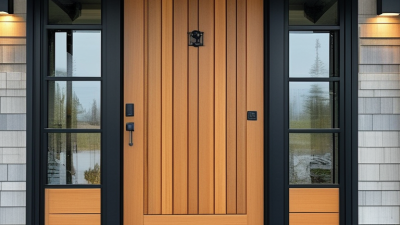
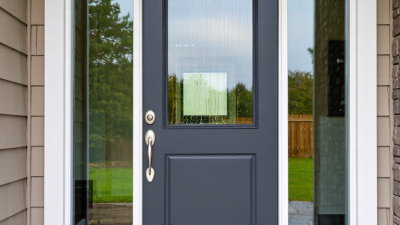
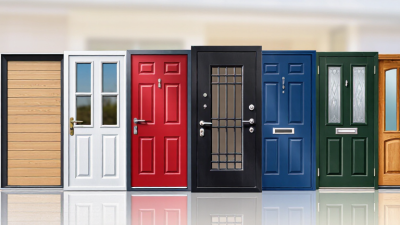
The best exterior door depends on weather, security needs, maintenance time, and budget. No material wins every test. Fiberglass doors resist moisture well and often imitate painted wood convincingly. They suit damp climates, especially when the bottom edge is properly sealed. Steel doors provide strong security and usually cost less than solid wood. However, dents can be difficult to repair, and exposed metal may heat quickly in direct afternoon sun.
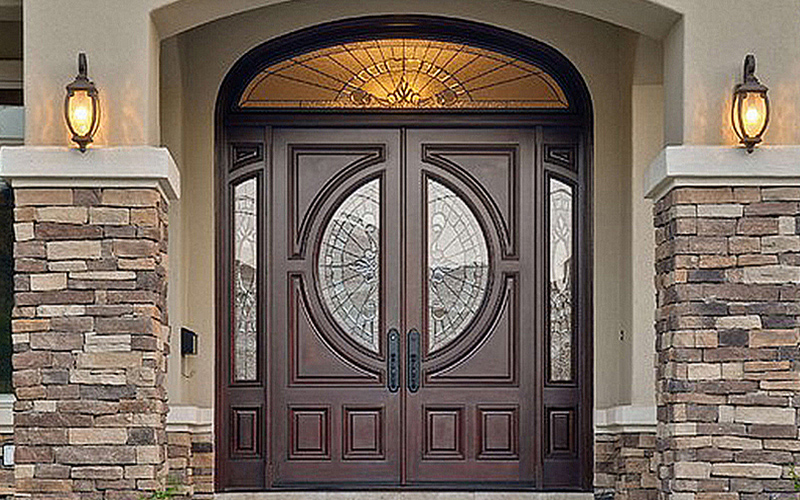
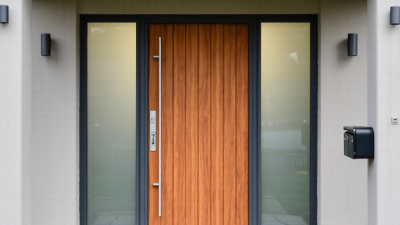
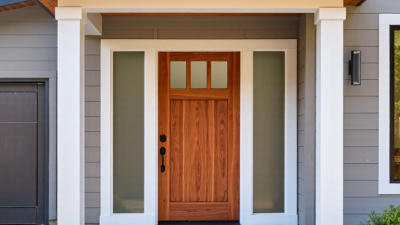
Wood doors offer natural grain, weight, and a welcoming appearance. They can also swell after repeated rain or shrink during dry seasons. Regular sealing matters. A small gap around the frame may cause drafts, even with expensive materials.
Aluminum resists rust and feels light, but it can transfer outdoor temperatures unless the frame includes a thermal break. Composite doors balance several benefits, though quality varies between construction types.
During an inspection, check the threshold, hinges, weatherstripping, and frame alignment. A door should close without force and leave an even gap around its edges. Energy performance depends on the complete system, not the slab alone. Look for documented insulation values and installation guidance from qualified professionals. I would avoid choosing only by appearance. That approach feels practical, but it can overlook drainage, sunlight, and local humidity. Even a well-made door may perform poorly when the surrounding frame is installed carelessly.
What Features Affect Security, Energy Efficiency, and Durability?
The best exterior door balances security, energy efficiency, and durability rather than excelling in only one area. A reinforced steel or fiberglass door usually resists dents and forced impact better than lightweight materials. However, the frame matters just as much. A strong slab can still fail when its strike plate is attached only to thin trim. Choose long screws that reach solid structural framing. A deadbolt with a protected cylinder also reduces common entry weaknesses. Small details matter.
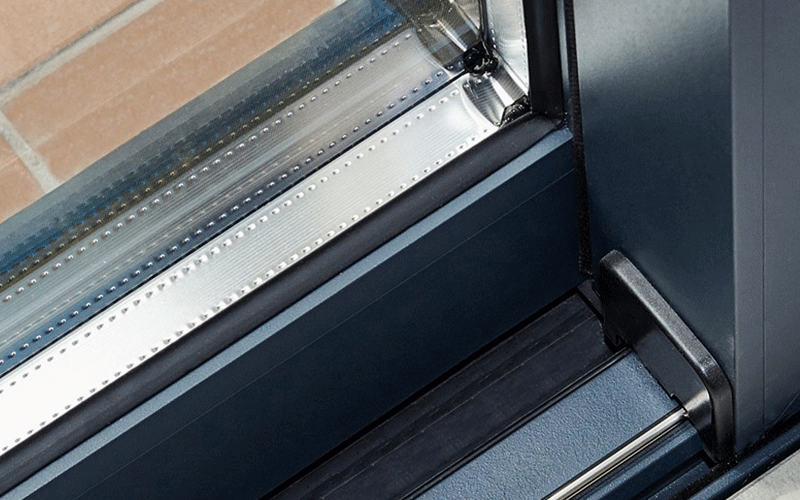
Energy performance depends on the complete door system. Look for an insulated core, tight weatherstripping, and an adjustable threshold. These features limit drafts around the edges, especially during windy weather. A low U-factor generally indicates better resistance to heat transfer, but installation quality remains critical. Even a well-rated door may waste energy if daylight appears beneath it. Glass panels need careful consideration. Double glazing improves insulation, while laminated glass can provide stronger resistance against impact.
Durability comes from materials, coatings, drainage, and maintenance. Fiberglass handles moisture well, while steel needs prompt attention when its protective finish is damaged. Wood can last for decades, but it requires more consistent sealing around exposed edges. Hinges should resist corrosion, and exposed hinge pins may need security features. I would not choose a door from appearance alone. A heavier door is not automatically safer, and an expensive model can perform poorly when installed out of square. Check the frame, seals, hardware, and threshold together. That practical inspection is often more revealing than showroom claims.
How to Choose the Right Exterior Door for Your Needs
What Is the Best Type of Exterior Door?
Choosing the right exterior door starts with your climate, entry location, and daily habits.
A solid fiberglass door suits many homes because it resists moisture, dents, and temperature changes. Steel doors usually provide strong security and good insulation, but exposed edges can rust when maintenance is ignored. Wood offers warmth and character. It also demands regular sealing, especially near rain, snow, or direct sunlight.
Check the performance label, not only the appearance. The U.S. Department of Energy reports that air leakage can represent 25% to 40% of a home’s heating and cooling energy use. A poorly fitted door can undermine expensive insulation. Look for a low U-factor, a tested air-leakage rating, and weatherstripping that compresses evenly. The National Fenestration Rating Council explains that certified ratings help compare energy performance across products. Measure the rough opening carefully. A beautiful door will still fail if the frame is twisted.
Think about the threshold, hinges, glass, and surrounding wall.
A south-facing entrance may need low-emissivity glazing or exterior shading. A dark door can become surprisingly hot in afternoon sun. I often see homeowners focus on decorative panels first. That choice is understandable, but it can hide weak seals or poor installation. Professional installation matters because even a high-rated door performs poorly with gaps around the frame. Recheck the latch after seasonal movement. Small drafts are easy to dismiss. They should not be.