What Is an Exterior Door?
An exterior door is more than the movable panel at a home’s entrance. It separates indoor comfort from outdoor weather, noise, pests, and unwanted access. It also shapes the first impression of a property. Architect and author Sarah Susanka described this relationship clearly: “The front door is the handshake of the house.”
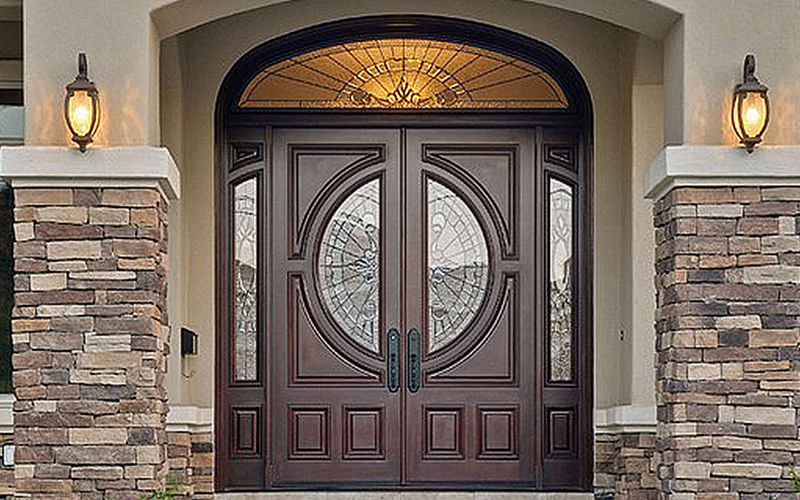
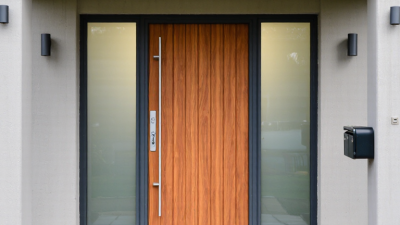
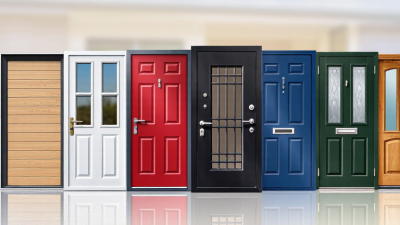
In practical terms, exterior doors include front doors, back doors, patio doors, side entrances, and service doors. Each one must handle daily movement and changing conditions. A solid fiberglass door may resist moisture and dents near a busy garden path. A steel door can provide strength, while a wood door offers natural grain and warmth. Glass panels can bring sunlight inside, but they require suitable privacy and safety features.
Performance depends on more than the slab itself. The frame, hinges, threshold, weatherstripping, and lock must work together. A small gap beneath the door can let in cold air, dust, and rain. Poor installation can weaken even an expensive product. That detail is often overlooked.
Exterior doors also influence energy use. A well-fitted door helps maintain stable indoor temperatures and reduces drafts. Local climate matters. So do sunlight, drainage, maintenance, and household needs. A wide opening may help someone carrying groceries or using mobility equipment.
Still, no single door is perfect. A beautiful wood door may need regular care. A heavily glazed design may sacrifice privacy. This article explains what exterior doors are, how they differ, and which practical details deserve careful attention before purchase or installation.
Definition and Basic Purpose of an Exterior Door
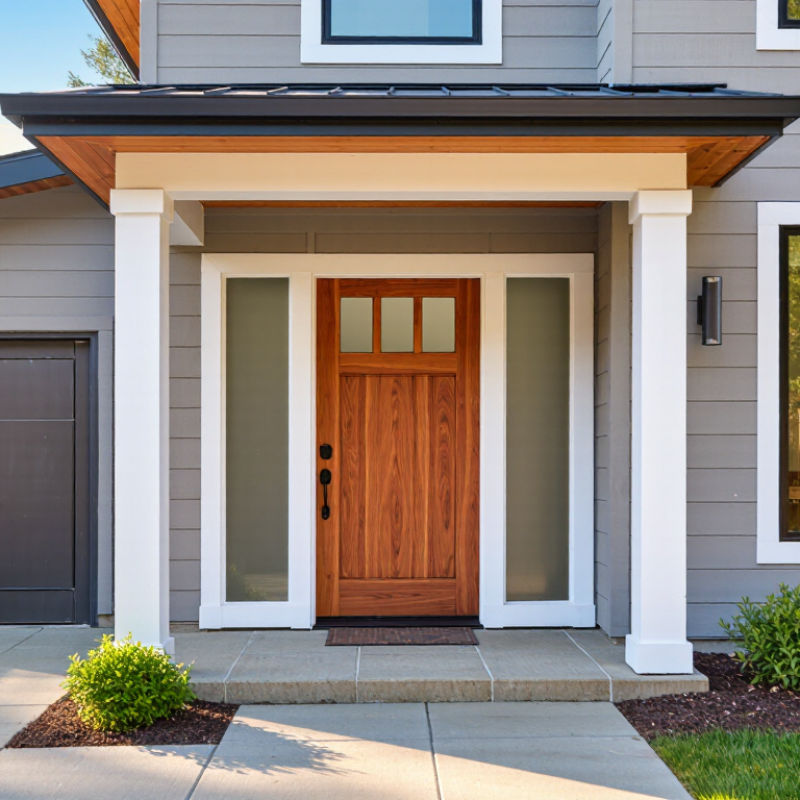
An exterior door is a door that separates a home’s interior from the outdoors or an attached space, such as a garage. Its basic purpose is to provide a controlled way in and out while helping shield indoor rooms from wind, rain, dust, and changing temperatures. It also contributes to privacy and security. Unlike many interior doors, it must handle outdoor exposure and frequent temperature changes. The exact performance depends on its materials, condition, installation, and surrounding frame.
Tips: Check the door’s edges and bottom for visible gaps. A thin strip of daylight can point to a poor seal. Also notice sticking, drafts, or water marks after rain.
In daily use, an exterior door needs to open smoothly and close firmly. A worn weather seal may let in cold air, while a misaligned door can scrape the threshold. These problems are easy to overlook when attention goes only to the door’s appearance. That is not always enough. The frame, hinges, threshold, and seals all affect how well the door works. Even a solid door may perform poorly if it is fitted unevenly. Regularly checking these details can reveal small issues before they become more noticeable.
Common Types and Materials of Exterior Doors
What Is an Exterior Door?
Common Types and Materials of Exterior Doors
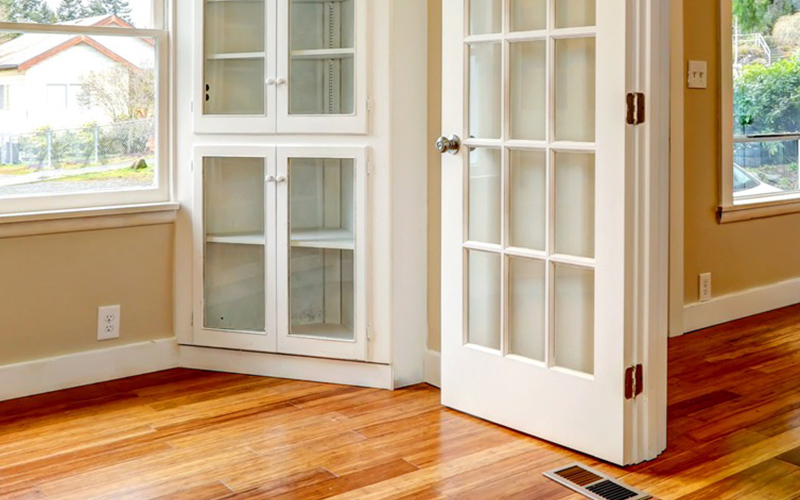
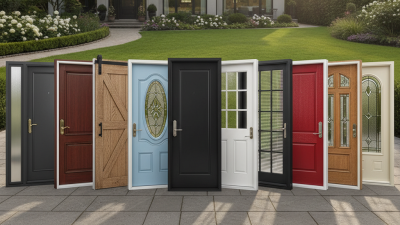
An exterior door separates your living space from weather, noise, and unwanted heat loss. Common types include entry doors, patio doors, storm doors, and sliding doors. Entry doors usually use hinged panels, while patio doors often use sliding glass panels. French doors add width and daylight, but their center seam needs careful sealing.
Material changes the door’s performance. Fiberglass resists moisture, dents, and temperature changes. Steel offers strong security and usually costs less, but damaged coatings may rust. Wood provides natural grain and good insulation, yet it needs regular finishing. Aluminum is lightweight and resists corrosion, although it can transfer heat without a thermal break. Glass doors can brighten a room, but low-emissivity glazing matters in hot or cold climates.
The U.S. Energy Information Administration’s 2020 Residential Energy Consumption Survey reported that space heating used 42% of household energy. A poorly sealed door can weaken indoor comfort. The U.S. Department of Energy recommends checking weatherstripping and threshold gaps during maintenance. Door ratings still vary by climate and installation quality. Material alone does not guarantee efficiency.
Tips: Choose the door’s U-factor and air-leakage rating, not only its appearance. Press a hand near the frame on a windy day. If you feel moving air, the installation needs attention. I have found that a beautiful door can perform poorly when the frame is slightly out of square.
Key Components and How an Exterior Door Works
What Is an Exterior Door?
Key Components and How an Exterior Door Works
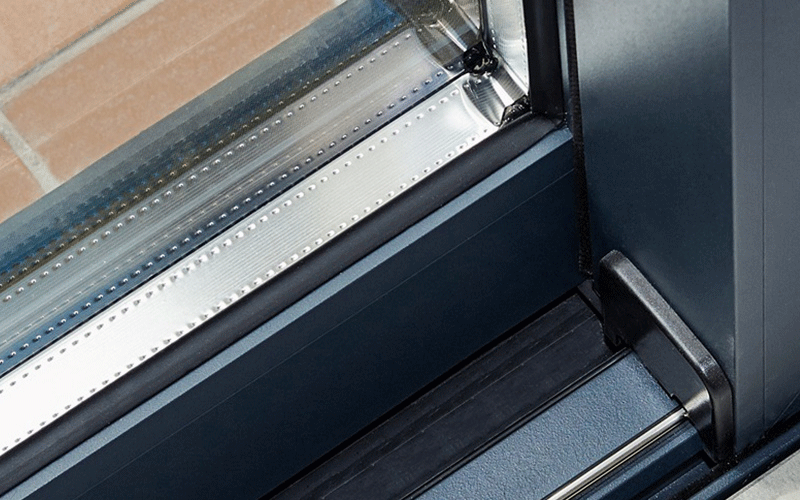
An exterior door is a movable barrier between a home and the outdoors. Its slab swings or slides within a frame, while hinges, a latch, and a lock guide and secure its movement. The jamb supports the slab; weatherstripping compresses against its edges when closed. At the bottom, a sweep or threshold helps block drafts, rain, and insects.
Small parts matter.
The door works as a system. Hinges carry its weight, and the latch pulls it toward the frame. A snug fit helps limit air movement, while the core and glass affect heat transfer. The National Fenestration Rating Council’s labels report measures such as U-factor, helping buyers compare thermal performance. Yet a good rating cannot fix a poorly aligned frame.
I check the corners, too.
The U.S. Department of Energy’s Energy Saver guidance estimates that heat gain and loss through windows account for
25%–30% of residential heating and cooling energy use.
That figure concerns windows, not doors, but it shows why the building envelope deserves attention. A visible strip of daylight around a closed door is a useful warning sign. Even so, seals can wear unevenly, and I sometimes need to check the threshold twice.
Factors to Consider When Choosing an Exterior Door
What Is an Exterior Door?
Factors to Consider When Choosing an Exterior Door
An exterior door must manage weather, daily traffic, security, and appearance at once. Start with its exposure: a west-facing entrance may take strong sun, while a sheltered porch may stay damp. Steel, fiberglass, and wood differ in maintenance and performance, so compare product specifications and installation advice. A tight fit matters. Measure the frame, not just the old slab, and check the threshold, jambs, and swing clearance before ordering. Small errors can cause drafts or make the door rub after seasonal movement.
Look for a National Fenestration Rating Council (NFRC) label and compare U-factor; check air-leakage performance in the product specifications. A lower U-factor generally means less heat transfer, but installation gaps can undermine a good rating. Consider glass placement, privacy, and locking hardware, then ask how the opening will be flashed and sealed. Zonda’s 2024 Cost vs. Value report estimated a 188.1% cost recoup for steel entry-door replacement in its U.S. comparison. That is an estimate, not a guaranteed resale return.
Tips: Feel for drafts around the frame on a windy day. Check that the door clears rugs and opens fully. A beautiful finish can still be a poor fit. Showroom appearance is easy to focus on; real weather exposure and installation quality deserve equal attention.
Installation, Maintenance, and Energy Performance
What Is an Exterior Door?
Installation, Maintenance, and Energy Performance
An exterior door separates your living space from wind, rain, noise, and changing temperatures. Its performance begins with careful installation. The frame must sit plumb, level, and square inside the rough opening. Small mistakes matter. I have seen a slightly twisted frame create daylight near the latch. That gap later caused drafts, dust, and water staining. Installers should use compatible flashing around the opening. They should also insulate gaps without compressing the frame.
Energy performance depends on the entire door system, not only the slab. A well-insulated core can still waste energy through loose weatherstripping or a poorly adjusted threshold. Check the door’s U-factor when comparing products. Lower values generally indicate better resistance to heat transfer. Glass areas need attention too. Double glazing may reduce winter heat loss and summer heat gain. Results vary with orientation, shading, and local climate.
Maintenance is practical and easy to overlook. Inspect seals each season for cracks, flattening, or brittle sections. Clean the threshold so grit does not prevent a tight closure. Lubricate hinges and verify that screws remain secure. Test the latch with a gentle pull. If the door rubs, adjust it before the frame suffers damage. I once delayed this repair and found a worn hinge edge months later. That was avoidable. Energy savings are useful, but comfort and moisture control deserve equal attention.