Top 10 Replacement Exterior Doors for Your Home Needs?
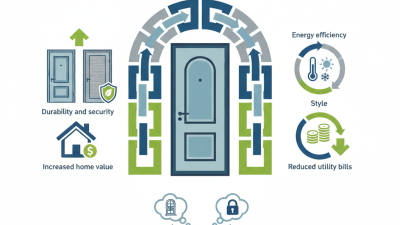
Replacing exterior doors can significantly enhance your home’s value. Statistics show that new doors can yield around 74% return on investment. This investment not only boosts curb appeal but also improves energy efficiency. According to the National Association of Realtors, replacement exterior doors rank high among home improvement projects.
When selecting replacement exterior doors, consider materials and styles. Steel doors, for instance, provide excellent security and insulation. Wood doors offer aesthetic appeal but may require more maintenance. It's essential to think about your local climate, as some materials perform better in certain environments.
Homeowners often overlook the long-term benefits of quality doors. Investing in energy-efficient options can reduce heating and cooling costs significantly. Replacement exterior doors can also improve safety features. Overall, making informed choices can lead to better comfort and security in your home.
Types of Replacement Exterior Doors for Different Home Styles
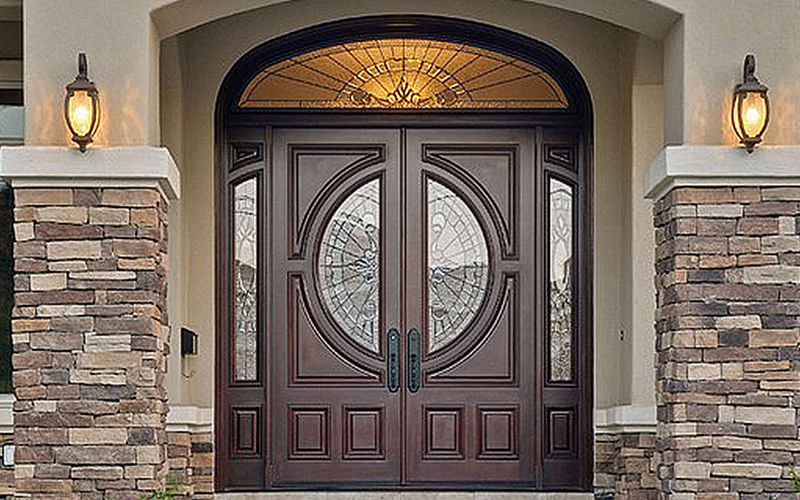
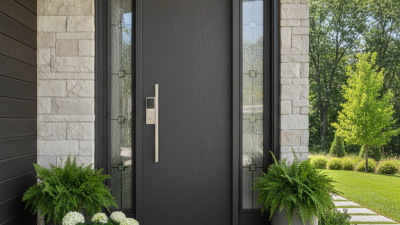
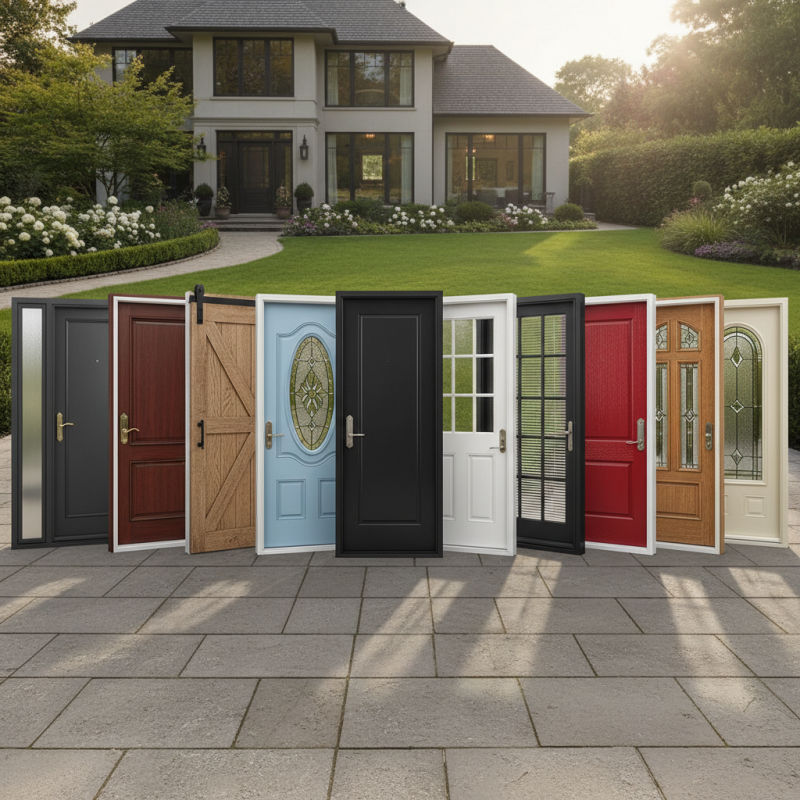
When selecting replacement exterior doors, consider the architecture of your home. A modern home may benefit from sleek glass doors, offering light and a contemporary touch. In contrast, traditional homes often suit classic wooden doors, which provide warmth and character. It’s essential to match the door's style to your home's aesthetics.
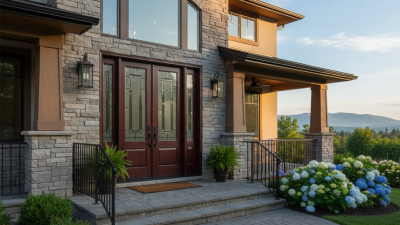
For bungalows or Craftsman-style homes, emphasize solid wood doors with bold hardware. These doors reflect the craftsmanship and charm of the era. If your home has a coastal feel, opt for fiberglass doors that resist saltwater damage. They combine durability with style, enhancing the overall look without overwhelming it.
Remember, choosing the right door extends beyond appearance. Consider energy efficiency and security features. Some doors, while attractive, may not provide adequate insulation. Reflecting on these factors ensures you find a door that meets both aesthetic and functional needs. Each home's individuality deserves careful thought in this decision-making process.
Materials Considerations: Wood, Fiberglass, Steel, and Vinyl Options
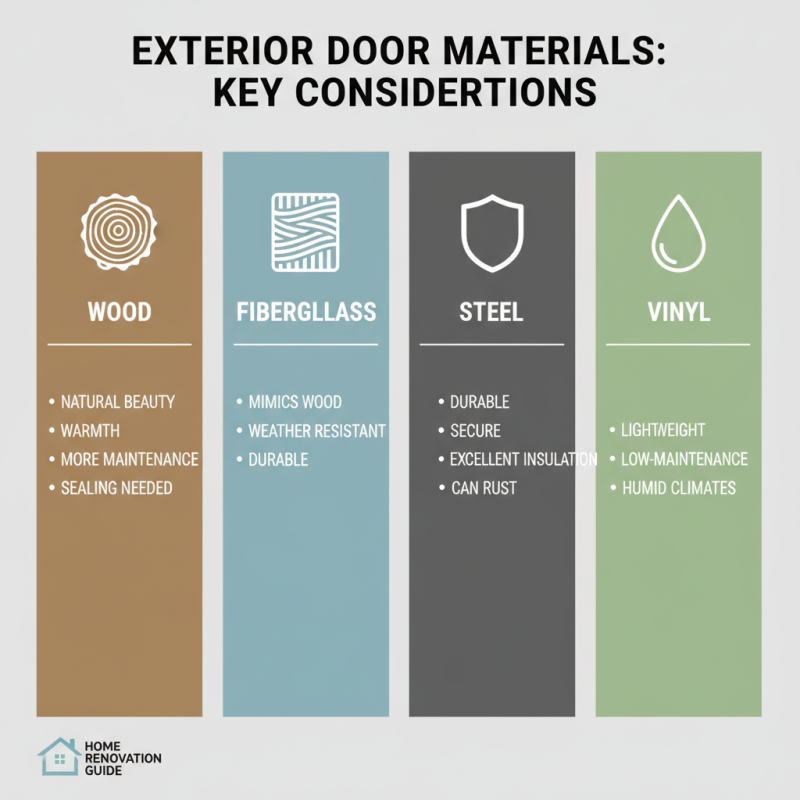
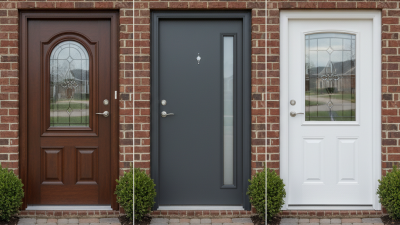
When choosing replacement exterior doors, material matters greatly. Wood doors provide natural beauty and warmth. They often require more maintenance than other options. Regular sealing is necessary to protect against moisture and warping. Steel doors are durable and secure, offering excellent insulation. However, they can rust if not properly maintained. Fiberglass doors mimic wood but resist weather damage better. Vinyl doors are lightweight and low-maintenance, ideal for humid climates.
Tips: Consider your home’s style. Wooden doors work well with traditional designs. For modern aesthetics, fiberglass or steel options might be better. Think about energy efficiency too. A door’s insulation rating affects your energy costs.
Choosing the right material can be daunting. Each option has its pros and cons. It’s crucial to match the door’s durability with your local climate. For example, regions with heavy rain might not be ideal for unsealed wood doors. Researching local weather conditions can help in making an informed decision.
Energy Efficiency Ratings and Their Importance for Exterior Doors
When it comes to exterior doors, energy efficiency matters. Choosing the right door can significantly impact your home’s energy consumption. Good doors reduce heat loss in winter and keep interiors cool in summer. This efficiency is reflected in energy efficiency ratings.
Understanding these ratings is essential. They show how well a door can prevent air leakage. A door with a high rating means better insulation properties. This helps maintain a consistent indoor temperature. Your heating and cooling systems won’t have to work as hard. This can lead to savings on energy bills, which is a crucial factor for many homeowners.
However, not all doors labeled "energy-efficient" meet the same standards. Some may look good but fall short in performance. It’s vital to research materials and construction quality. Look for certifications that prove effectiveness. Remember, a little extra scrutiny can lead to better long-term investments in your home.
Top 10 Replacement Exterior Doors: Energy Efficiency Ratings
This bar chart represents the energy efficiency ratings of the top 10 replacement exterior doors according to various performance metrics. Higher ratings indicate better energy efficiency which can contribute to reduced energy costs and a more comfortable home environment.
Design Features to Consider for Enhancing Curb Appeal
When selecting replacement exterior doors, design features significantly affect curb appeal. A striking entrance can elevate a home's aesthetic and value. According to a 2021 study by the National Association of Realtors, enhancing curb appeal can add 7% to 14% to a home’s market value. Color, material, and style are crucial elements to consider.
Choosing vibrant colors can instantly draw attention. Warm tones like reds and yellows create a welcoming atmosphere. Conversely, neutral shades offer a timeless appeal. Beyond color, materials matter. Fiberglass doors mimic wood without the upkeep. They resist warping and weather damage, making them both stylish and practical. Also, variations in door styles—such as modern sleek designs versus classic panels—can reflect personal taste and potentially influence buyer interest.
Glass elements also enhance the visual appeal of doors. Decorative glass inserts allow natural light while maintaining privacy. However, glass can require frequent cleaning. Think about balance. Attractive designs may need maintenance, which can detract from their initial appeal over time. Striking the right balance between aesthetics and functionality is critical for long-term satisfaction. Ultimately, every decision impacts the first impression a visitor receives.
Top Brands and Manufacturers for Replacement Exterior Doors
When selecting replacement exterior doors, knowing the top brands can significantly enhance your experience. Many reputable manufacturers excel in quality, style, and durability. Their doors often incorporate advanced materials and technologies that improve insulation, security, and aesthetics. This creates an inviting entrance while ensuring long-lasting performance.
It’s essential to consider the variety of styles offered. Some brands focus on traditional wooden looks, while others provide modern fiberglass options. Each brand has its unique strengths, catering to different homeowner preferences. Researching their offerings can lead to better decisions. Look closely at reviews, and don't hesitate to ask for recommendations from neighbors or contractors. This insight can be invaluable.
However, perfection is not guaranteed. Some doors may come with installation challenges or require additional maintenance. Homeowners should weigh these factors carefully. It’s also vital to assess energy efficiency ratings. A door that looks good on the surface may not perform well in extreme weather. Keep an open mind and be ready to explore various options, as your replacement exterior door should meet your specific needs.
Top 10 Replacement Exterior Doors for Your Home Needs
| Door Type |
Material |
Energy Efficiency (Rating) |
Price Range ($) |
Warranty (Years) |
| Fiberglass Entry Door |
Fiberglass |
R-Value: 14 |
1500 - 2500 |
10 |
| Steel Entry Door |
Steel |
R-Value: 12 |
1000 - 2000 |
15 |
| Wood Door |
Wood |
R-Value: 9 |
2000 - 4000 |
5 |
| Sliding Patio Door |
Vinyl |
R-Value: 11 |
1200 - 3000 |
10 |
| French Door |
Fiberglass |
R-Value: 13 |
1800 - 3500 |
10 |
| Composite Door |
Composite |
R-Value: 15 |
2500 - 4000 |
20 |
| Aluminum Door |
Aluminum |
R-Value: 8 |
900 - 1500 |
5 |
| Storm Door |
Metal/Glass |
R-Value: 10 |
300 - 800 |
3 |
| Double Door |
Wood/Fiberglass |
R-Value: 11 |
2500 - 5000 |
10 |
| Bi-Fold Door |
Wood/Vinyl |
R-Value: 10 |
3000 - 6000 |
15 |