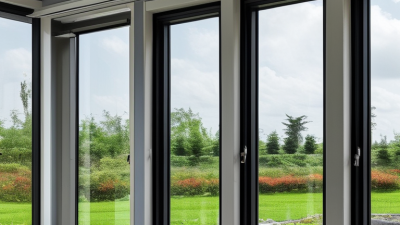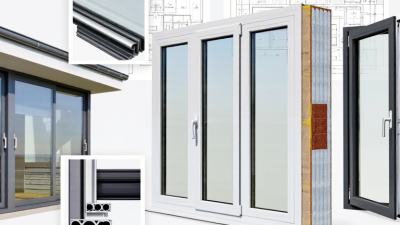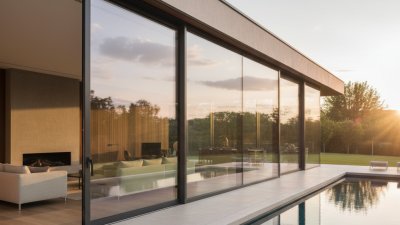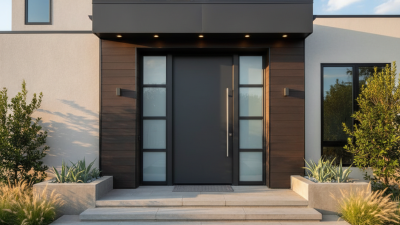



Choosing replacement windows and doors is more than matching frames to your home’s exterior. The right decision affects comfort, daylight, security, energy use, and maintenance for years. This guide explains how to compare materials, glass packages, opening styles, installation methods, and warranties. It also shows where attractive prices may hide future costs. Small details matter.
Start with the room’s actual problems. Do cold drafts gather near a sill? Does afternoon sunlight fade furniture? Are locks stiff, or does rain collect around the threshold? Record these signs before requesting estimates. Measure each opening carefully, but let a qualified installer verify the dimensions. A precise fit supports performance and reduces avoidable repairs. Review published U-factor, solar heat gain, air leakage, and water-resistance information. Independent certification and clear warranty terms offer stronger evidence than sales claims. Local building requirements and suitable emergency-exit dimensions also deserve attention.
When comparing replacement windows doors, judge the complete system, not one impressive feature. A low-cost frame may require more upkeep, while premium glass may not suit every climate or budget. Ask who handles flashing, insulation, disposal, and follow-up service. Get written details. They matter later. Review references, relevant credentials, and installation photographs from similar homes. Even careful planning has limits; existing walls can be uneven, and product availability can change. Reconsider assumptions before signing. A dependable choice balances tested performance, honest installation advice, appearance, and long-term value. The best option should feel quiet on a windy evening and operate smoothly every day.
Before choosing replacement windows and doors, define the problem you want to solve. Is the room drafty, noisy, dim, or expensive to heat? Write down measurable goals, such as reducing winter drafts or improving afternoon comfort. The U.S. Department of Energy reports that windows can cause 25% to 30% of residential heating and cooling energy use. That figure makes performance important, but it does not explain every home. Orientation, shading, air leakage, and installation quality also matter.
Inspect the existing openings before comparing products. Look for soft wood, water stains, uneven frames, and gaps around the trim. A replacement unit cannot correct hidden moisture damage by itself. For energy performance, compare U-factor and solar heat gain coefficient ratings. Lower U-factor generally means better insulation, while the ideal solar heat gain coefficient depends on climate and window direction. The National Fenestration Rating Council explains that certified ratings help consumers compare products under consistent testing conditions. Still, ratings are not the whole story. I have seen technically efficient windows perform poorly after rushed installation. That is an uncomfortable detail, but it deserves attention.
Tips: Set three priorities and rank them. Request an itemized estimate for removal, flashing, insulation, and interior repairs. Ask how installers will manage rain during the project. Photograph each opening before work begins. If noise reduction matters, discuss laminated glass and verified acoustic performance. ENERGY STAR reports that qualified windows can reduce household energy use, but savings vary with climate, behavior, and existing conditions. Perfect predictions are unrealistic. Good decisions begin with honest measurements.
How to Choose Replacement Windows and Doors
Compare Frame Materials, Glass Types, and Energy Ratings
A replacement window should suit your climate, wall structure, and daily habits. Vinyl frames usually resist moisture and need little maintenance. Wood offers warmth and repairability, but it requires careful sealing and regular inspection. Fiberglass frames are stable during temperature changes, although their higher price can strain a renovation budget. Aluminum is strong and slim, yet it can conduct heat unless it includes an effective thermal break.
Glass choices affect comfort more than many homeowners expect. Double glazing works well in moderate climates. Triple glazing can reduce heat transfer in colder regions, but it adds weight and cost. Low-emissivity coatings help control radiant heat, while argon-filled spaces improve insulation. Choose the coating carefully. A room facing strong afternoon sun may need a lower solar heat gain coefficient, or SHGC.
Check the U-factor, SHGC, visible transmittance, and air-leakage rating. Lower U-factor values generally indicate better insulation. A lower SHGC can reduce unwanted summer heat. However, ratings are not a complete prediction of performance. Poor installation can defeat excellent glass. Ask for written measurements, flashing details, and testable warranty terms. An experienced installer should explain how the frame, glass, and opening will work together. I once underestimated exterior shade, and the room still overheated despite efficient glazing. Site conditions deserve more attention than a sales chart.
Choosing replacement windows and doors begins with accurate measurements, not product pictures. I measure each opening in three places: top, middle, and bottom. I also record the smallest width and height. Walls are rarely perfectly square. A single measurement can hide a costly problem.
I check the frame’s depth, sill condition, and surrounding trim before ordering. For doors, I measure width, height, and diagonal distances. Matching diagonals usually indicates a square opening. I inspect for rot, moisture stains, soft wood, and loose masonry. These details affect fastening and may require repairs before installation. I once trusted an old measurement and discovered the new door needed extra clearance for its threshold. That mistake delayed the work.
Installation requirements deserve equal attention. Confirm whether the replacement fits inside the existing frame or requires full removal. Check the wall thickness, insulation space, flashing method, and interior finish. Review local building rules for emergency escape openings, safety glazing, ventilation, and energy performance. Manufacturer instructions may also specify minimum clearances and approved fasteners.
Do not assume every opening is identical. It is not. Take clear photographs, label each measurement by room, and keep a written record. A small sketch can prevent reversed dimensions or an incorrectly hinged door. Leave room for adjustment, but never guess the final gap. A qualified installer should verify unusual conditions before materials are ordered.
How to Choose Replacement Windows and Doors
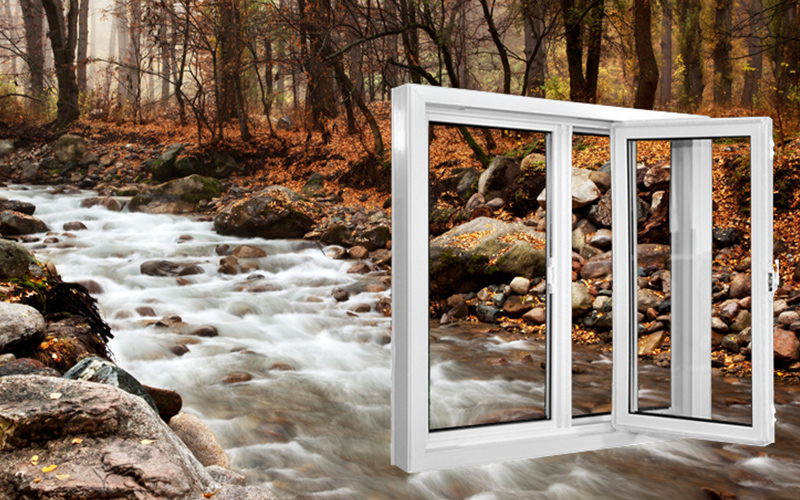
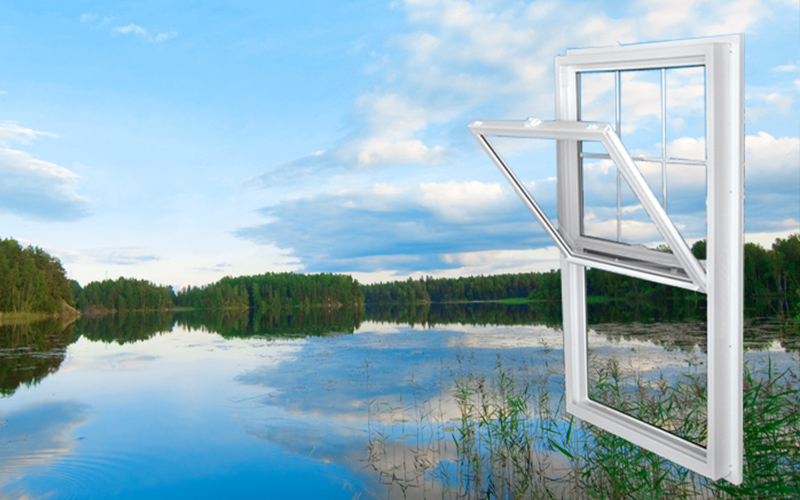
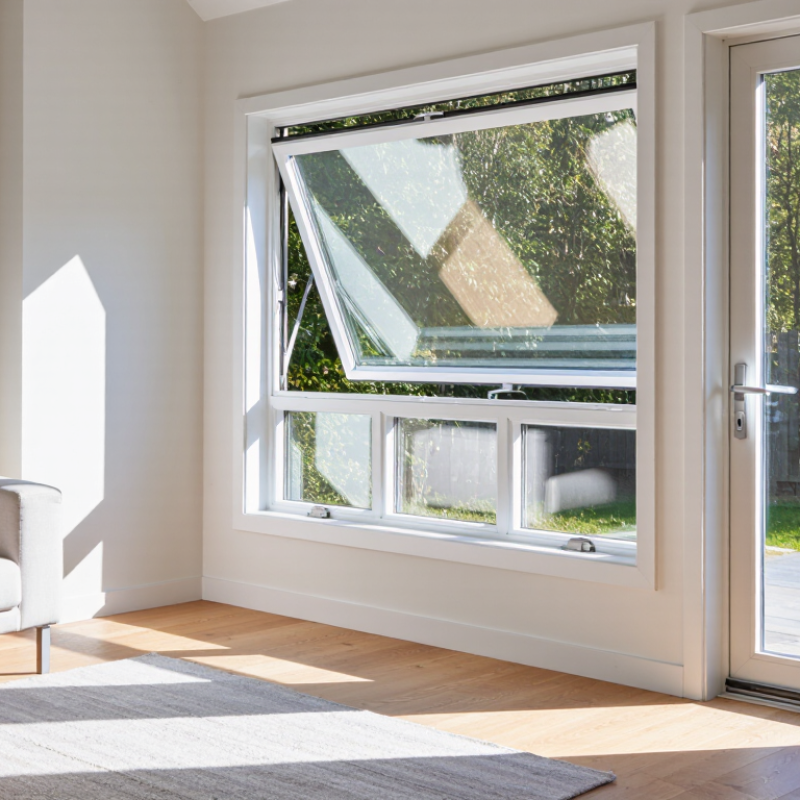
Choosing replacement windows and doors requires more than matching a room’s decoration. Consider how each opening faces the weather. A south-facing window may need stronger solar control, while a shaded entrance can prioritize natural light. Casement, sliding, awning, and fixed styles offer different ventilation and cleaning advantages. I have found that a beautiful design can become frustrating if its hardware is difficult to reach. Measure opening sizes carefully, but have a qualified installer verify them before ordering.
Compare more than the purchase price. Ask for written estimates covering removal, disposal, flashing, insulation, interior repairs, and permits where required. Energy performance ratings can help, but they do not predict every household’s savings. A lower-cost unit may require more repainting or seal replacement later. Review frame materials, glass options, drainage paths, locks, and warranty responsibilities. Maintenance is often overlooked. Dusty tracks, cracked sealant, and stiff hinges can signal larger problems. Small details matter.
Tips: Request itemized quotes from at least three qualified contractors. Test sample locks and handles with the window fully open. Check whether screens, trim, and delivery are included. Inspect corners for square alignment after installation. Keep photographs and service records. My own mistake was focusing too heavily on appearance; the narrow frame looked elegant, but cleaning the exterior was awkward. Reconsider the practical parts.
| Category | Style or Option | Best Applications | Key Features | Energy and Weather Performance | Typical Installed Cost* | Maintenance Needs | Expected Service Life** | Overall Value |
|---|---|---|---|---|---|---|---|---|
| Window Style | Single-Hung Window | Bedrooms, living areas, and budget-conscious replacement projects. |
|
Good performance when properly fitted; fewer moving parts can reduce air leakage and repair needs. | $300–$900 per window | Clean tracks and glass periodically; inspect caulk and weatherstripping every few years. | 20–30 years | High for low budgets |
| Window Style | Double-Hung Window | Traditional and multi-story homes where ventilation and easy cleaning are important. |
|
Good to very good, depending on frame quality, glazing, installation, and weather seals. | $450–$1,200 per window | Clean tracks; lubricate hardware when needed; replace worn balances or weather seals. | 20–35 years | Very good |
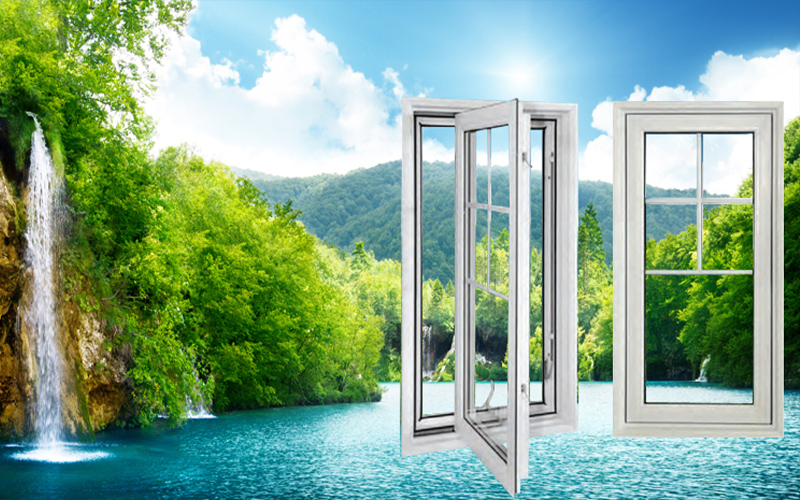
| Window Style | Casement Window | Areas requiring strong ventilation, clear views, and a tight closing seal. |
|
Often very good because the sash closes against the frame; performance depends on seals and hardware condition. | $500–$1,500 per window | Inspect crank hardware, hinges, and seals; keep the operating mechanism clean and lightly lubricated. | 20–30 years | Excellent for ventilation |
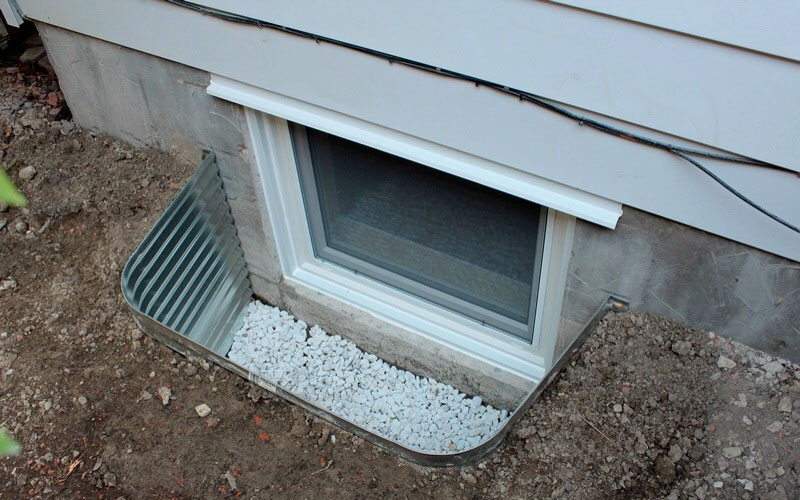
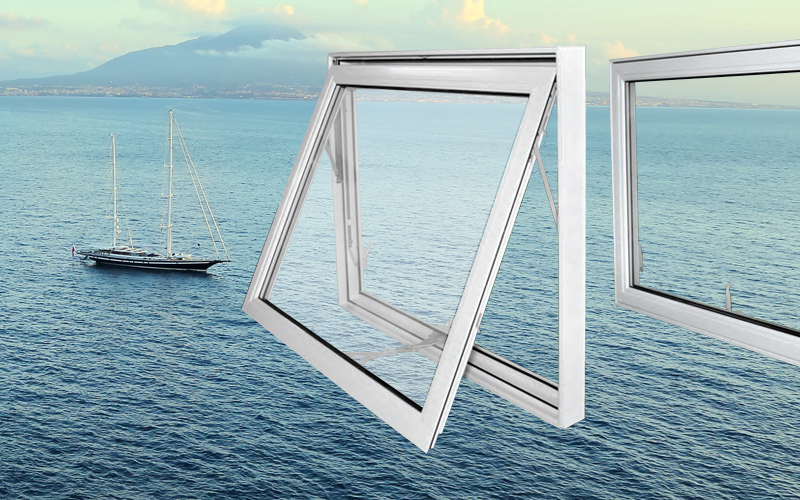
| Window Style | Awning Window | Bathrooms, kitchens, basements, and openings needing ventilation during light rain. |
|
Good resistance to wind-driven rain when properly installed and sealed. | $450–$1,300 per window | Clean hinges and operators; inspect perimeter seals and exterior caulk annually. | 20–30 years | Very good for wet climates |
| Window Style | Sliding Window | Wide openings, accessible locations, and rooms where outward projection is not practical. |
|
Good performance; the sliding track and meeting rail require careful sealing to limit air leakage. | $400–$1,200 per window | Vacuum tracks, clean rollers, and replace damaged weatherstripping as necessary. | 20–30 years | Good for wide openings |
| Window Style | Picture Window | Large view areas where ventilation is not required. |
|
Often excellent because the fixed frame has fewer potential air-leakage points. | $500–$1,800 per window | Clean the glass and inspect perimeter seals and exterior flashing. | 25–40 years | Excellent for views |
| Frame Material | Vinyl | Most residential replacement projects, especially where low maintenance is a priority. | Resists rot and corrosion; available in insulated multi-chamber profiles. | Good thermal performance at a moderate price; expansion and contraction require correct installation. | Usually $300–$1,500 per window | Wash with mild soap and water; do not paint or use abrasive cleaners. | 20–30 years | High |
| Frame Material | Fiberglass | Projects seeking dimensional stability, durability, and strong energy performance. | Strong frame with low expansion and contraction; can support large glazed areas. | Very good thermal stability and weather resistance when properly installed. | Usually $600–$2,000 per window | Clean periodically; inspect paint or exterior finish and perimeter sealant. | 30–40 years | Very high |
| Frame Material | Wood | Historic homes and interiors where natural appearance and customization are important. | Natural insulation; can be stained or painted; often paired with exterior cladding. | Very good when protected from moisture and maintained correctly. | Usually $800–$2,500 per window | Repaint or refinish as needed; inspect regularly for moisture damage, peeling finish, and failed joints. | 30–60 years with consistent maintenance | High with maintenance |
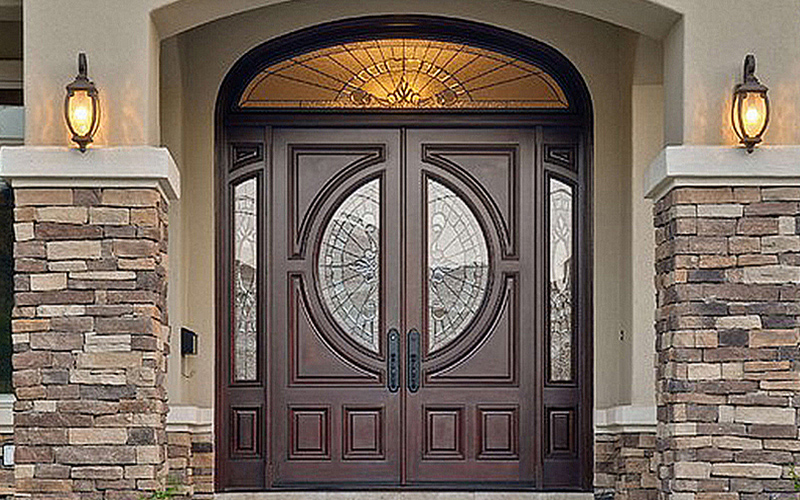
| Door Style | Insulated Entry Door | Main entrances where security, weather resistance, and energy efficiency matter. |
|
Good to excellent when the slab, frame, threshold, and weatherstripping are correctly aligned. | $1,000–$4,000 per door | Inspect weatherstripping, adjust hinges, lubricate locks, and renew exterior sealant when required. | 20–40 years | Very high |
| Door Style | Sliding Patio Door | Patios, decks, and rooms requiring a wide opening without door swing clearance. |
|
Good performance with insulated glass, tight interlocks, and properly sealed tracks. | $1,500–$5,000 per door | Clean and lubricate tracks; adjust or replace rollers; inspect locks, seals, and drainage openings. | 15–30 years | Good for limited space |
| Door Style | French Patio Door | Traditional homes and openings where a wider, hinged passage is preferred. |
|
Good to very good; the meeting point between panels needs careful adjustment and weather sealing. | $2,000–$6,000 per door set | Check hinges, lock alignment, astragal seals, threshold, and exterior caulk. | 20–35 years | Very good for wide access |
| Door Style | Storm Door | Entryways exposed to severe weather or locations needing an extra seasonal barrier. |
|
Can improve comfort and reduce direct weather exposure when properly fitted; it does not replace a well-sealed entry door. | $300–$1,200 per door | Clean tracks and screens; adjust closer tension; inspect hinges, sweep, and seals. | 10–25 years | Good supplemental value |
| Glass and Energy | Double-Glazed Low-E Glass | Most heating and cooling climates seeking a practical balance of cost and efficiency. | Two glass panes with an insulating space and a low-emissivity coating. | Helps reduce heat transfer and interior condensation compared with basic single glazing. | Common standard upgrade | Clean with non-abrasive products; replace the sealed unit if fogging indicates seal failure. | 15–30 years for sealed glass units | Best general-purpose choice |
| Glass and Energy | Triple-Glazed Low-E Glass | Very cold climates, high-performance homes, and rooms with substantial exterior exposure. | Three glass panes with two insulating spaces; heavier and usually more expensive. | Can provide higher insulation and sound reduction than double glazing when the frame and installation are equally capable. | Typically 10%–30% above comparable double glazing | Same cleaning requirements as double glazing; verify frame capacity and hardware durability. | 15–30 years for sealed glass units | Excellent in cold climates |
| Installation | Full-Frame Replacement | Rotten frames, damaged flashing, major size changes, or projects requiring inspection of the rough opening. | Removes the existing frame and exposes more of the wall opening for repair and insulation. | Offers greater opportunity to correct hidden water intrusion and air leakage. | Often 15%–40% more than insert replacement | Requires careful exterior and interior trim maintenance after installation. | Depends on the selected product and installation quality | Best for damaged openings |
| Installation | Insert or Pocket Replacement | Sound existing frames where the opening size and surrounding structure can remain unchanged. | New window is installed inside the existing frame; generally faster with less finish disruption. | Performance depends heavily on the condition and airtightness of the existing frame. | Usually the lower-cost installation method | Maintain both the new unit and the retained frame, exterior trim, and sealants. | Depends on the selected product and existing frame condition | Best for sound existing frames |
| Notes: Cost figures are broad, typical U.S. installed estimates per standard-size opening or door and can vary substantially by region, size, access, structural repairs, glazing, finish level, disposal, permits, and labor rates. Verify current local quotations before budgeting. Energy performance should be compared using independently verified U-factor and Solar Heat Gain Coefficient (SHGC) ratings appropriate for the project’s climate. Service-life estimates assume proper installation and routine maintenance; severe weather, moisture exposure, and neglected maintenance can shorten product life. | ||||||||
How to Choose Replacement Windows and Doors
Selecting qualified products begins with measurable performance, not attractive showroom displays. The U.S. Department of Energy reports that windows can cause 25–30% of residential heating and cooling energy use. Ask for verified U-factor, solar heat gain coefficient, air leakage, and visible transmittance ratings. Lower U-factor generally improves insulation, while solar heat gain depends on climate and room orientation.
Use certification records from the National Fenestration Rating Council to compare similar products. Check the frame material, glazing layers, weather seals, and drainage paths. A qualified installer should explain flashing, sill pans, fastener spacing, and interior air sealing. Request written product specifications, installation details, warranty terms, and proof of insurance. Small omissions matter.
Plan the replacement around weather, access, and household routines. Measure every opening twice, including width, height, and diagonal squareness. Do not assume old openings are uniform. The U.S. Department of Energy recommends addressing uncontrolled air leakage before judging window performance. During installation, protect floors, isolate dust, and inspect each opening before it is closed.
A practical lesson from site reviews is simple: the product rarely works better than its installation. I would not accept a rushed schedule. It may save one day and create years of drafts. Recheck operation after installation, especially locks, drainage, and visible gaps. Some plans still fail because homeowners choose ratings without considering shade, wind exposure, or local moisture.
Lower U-factor values indicate better resistance to heat transfer. The representative whole-unit values below reflect commonly used performance levels for residential replacement products; always confirm the exact rating on the product’s independent certification label and check local code requirements.