China Top 10 Replacement Windows and Doors Manufacturers?
China’s replacement windows doors sector is expanding beyond low-cost supply. Buyers now compare thermal performance, testing records, customization, and long-term service. This introduction outlines ten Chinese manufacturers that deserve closer evaluation.
The U.S. Department of Energy reports that windows can represent 25% to 30% of residential heating and cooling energy use. ENERGY STAR also identifies certified windows and doors as practical tools for reducing household energy consumption. These figures do not prove that every replacement project will pay back quickly. Climate, installation quality, glass selection, and building orientation can change the result. A ranking can still mislead.
Building-science expert Joseph Lstiburek offers a useful reminder: “A window is a hole in the wall.” The phrase sounds simple, but it exposes a common purchasing mistake. A high-performance frame cannot compensate for poor flashing or careless installation. The 2024 Freedonia industry analysis of windows and doors also points to renovation activity, energy efficiency, and product replacement as important demand drivers. Those trends help explain China’s growing manufacturer base, but they should not replace factory-level verification.
For each company, this outline considers product range, Low-E glass options, U-factor, solar heat gain coefficient, air leakage, water resistance, structural testing, certifications, export experience, warranty terms, and after-sales support. NFRC, AAMA/WDMA/CSA, CE, and ISO documents may strengthen credibility, but paperwork alone is not performance. Site audits, sample testing, and customer references remain valuable. The ranking is therefore a starting point, not a final verdict. Real projects are messier. That is worth remembering.
What Are Replacement Windows and Doors?
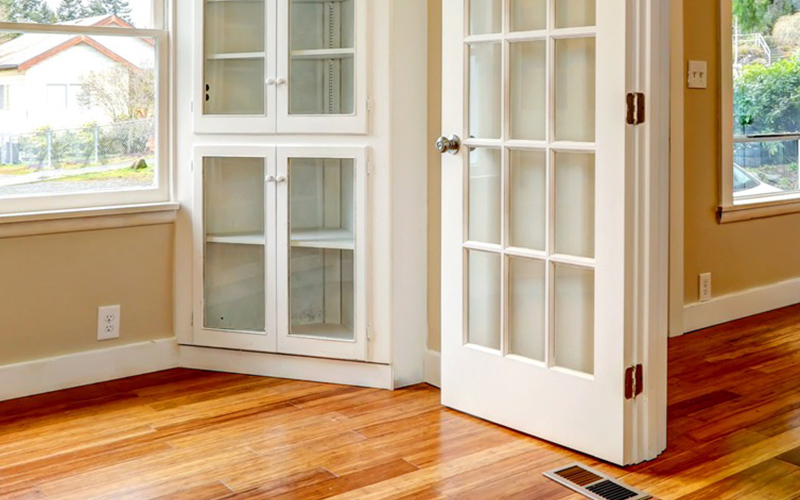
Replacement windows and doors are fitted into an existing building, not installed during its original construction. They replace damaged, outdated, or inefficient units while preserving much of the surrounding wall. A retrofit may use the existing frame, but a full-frame replacement removes the frame and exposes more of the opening. The choice affects cost, insulation, daylight, and installation time.
The U.S. Department of Energy reports that windows can cause 25% to 30% of residential heating and cooling energy use. This makes glazing and airtight installation important. Low-emissivity glass can reduce unwanted heat transfer. Multiple panes create insulating air spaces. However, better glass cannot correct a poorly measured opening. The National Fenestration Rating Council recommends comparing U-factor, solar heat gain coefficient, and air leakage ratings. These figures describe performance more reliably than appearance alone.
Tips: Measure width and height at several points. Record the smallest measurements. Check water stains, soft wood, and uneven walls before ordering. Ask for test reports and installation instructions. A common mistake is choosing a door by style first. Security hardware, threshold height, drainage, and local climate deserve equal attention. Even experienced installers can misjudge old masonry openings. That detail is easy to miss.
How to Evaluate Chinese Window and Door Manufacturers
Choosing among China’s top replacement window and door manufacturers requires more than comparing online catalogs. Start with the factory’s real production capability. Ask for workshop videos, machinery details, material specifications, and recent project references. A reliable supplier should explain profile thickness, glass composition, hardware grade, insulation performance, and drainage design in clear language.
Request a sample before discussing large quantities. Measure its frame joints, corner strength, sealant lines, locking movement, and surface finish. Test the sample near a noisy street or a drafty opening if possible. Check whether the factory follows recognized testing standards and can provide traceable inspection records. Certifications alone are not enough. Their scope and validity matter.
Communication also reveals professional maturity. The manufacturer should confirm drawings, color codes, opening directions, packaging methods, and delivery terms in writing. Ask how they manage defects, replacement parts, and warranty claims. I once trusted polished photos too quickly, and the delivered finish looked different under daylight. That judgment was incomplete. Now I compare physical samples, production photos, and inspection reports together. Factory experience in similar climates is valuable, but it does not guarantee perfect results. Humid coastal projects need different sealing decisions than cold northern installations. A dependable evaluation combines evidence, technical questions, and careful follow-up. Be patient. Mistakes hide in small details.
China’s Top 10 Replacement Windows and Doors Manufacturers
China’s Top 10 Replacement Windows and Doors Manufacturers
China’s replacement windows and doors sector serves homes, apartments, offices, and renovation projects worldwide. The leading ten manufacturers usually offer aluminum, uPVC, timber, and thermal-break systems. Their strengths often include factory production, custom sizing, glass options, and project-based support. However, a large catalog does not always prove reliable quality. Buyers should examine testing records, installation experience, material specifications, and after-sales procedures.
For replacement work, accurate measurement matters more than attractive product images. Experienced manufacturers can review wall conditions, frame thickness, drainage paths, and opening direction before production. Strong suppliers also explain U-values, air tightness, water resistance, sound reduction, and hardware durability in clear language. Some companies provide samples and technical drawings, which can reduce costly mistakes. Still, communication may become difficult when drawings, tolerances, and local building practices differ. That weakness deserves attention.
Tips: Request a complete quotation with glass type, frame material, finish, hardware, packaging, lead time, and warranty terms. Ask for recent project evidence, not only showroom photographs. Compare performance data from independent testing when possible. A small sample installation can reveal sealing, operation, and color issues early. Do not select the cheapest option automatically. The lowest price may hide thinner profiles, weaker hardware, or limited service support. Personally, I would inspect factory quality control before placing a large order, because polished brochures can conceal ordinary production problems.
Key Products, Materials, and Manufacturing Strengths
China’s top 10 replacement window and door manufacturers are best compared through products, materials, and production discipline. Leading suppliers commonly produce uPVC windows, thermally broken aluminum systems, wood-aluminum hybrids, sliding doors, lift-and-slide doors, and entry doors. Their factories often support custom dimensions, double or triple glazing, insect screens, hardware options, and project-based color matching. Product range matters, but it does not prove performance alone. Climate and installation quality matter greatly.
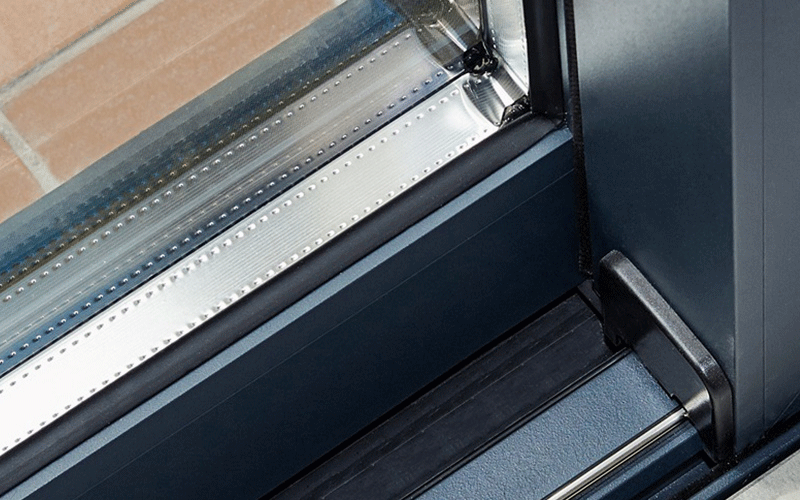
Aluminum offers slim sightlines, strong frames, and stable performance for large openings. Thermal breaks and insulated chambers reduce heat transfer. uPVC provides practical insulation and low maintenance for residential replacements. Laminated glass can improve safety and sound control, while Low-E coatings help manage solar gain. Wood adds natural warmth, yet it requires careful moisture protection. Stainless steel and galvanized hardware can support durability in demanding environments.
Reliable manufacturers combine automated cutting, CNC machining, powder coating, anodizing, welding, and controlled assembly. Quality checks should cover frame dimensions, corner joints, drainage paths, glass fitting, air leakage, water resistance, and hardware cycling. Ask for test reports, material certificates, sample sections, and installation records. A factory may display impressive machinery, but weak packaging or inconsistent tolerances can still damage results. I would inspect production samples and confirm warranty terms before ordering. Some specifications remain unclear until a real site trial.
How to Select the Right Chinese Manufacturer for Your Project
Choosing among China’s leading replacement window and door manufacturers requires more than comparing factory photos. Start with your project’s climate, opening sizes, energy targets, and installation method. A coastal home needs different corrosion protection than an inland renovation. Ask each supplier for section drawings, material grades, thermal values, and tested air, water, and wind results. Do not accept vague claims. Request the complete test scope.
An experienced buyer should audit production, not only sales offices. Check extrusion storage, welded corners, coating control, glass handling, and final inspection records. Ask who owns the tooling and approves design changes. I once reviewed a sample that looked excellent, but its drainage holes were poorly placed. Small details become expensive site problems. A reliable factory should provide batch traceability, packaging photos, and an inspection plan before shipment.
Compare technical replies in one document. Check lead times, minimum quantities, spare hardware, warranty exclusions, and after-sales response times. Confirm certificates with the issuing laboratory when possible. Match them to the exact profile and glass build-up.
Use a paid pre-production sample and test it locally for sensitive projects. Written drawings beat promises. An unusually low quote may hide thinner walls, weaker hardware, or missing accessories. I would allow time for one revision; my first specification was too optimistic about delivery. A dependable manufacturer records changes and explains what it cannot guarantee.