How to Source Pro Windows and Doors in 2026?

In 2026, sourcing pro windows and doors requires more than comparing online prices. It demands clear specifications, verified suppliers, and careful project planning. A polished showroom sample can hide weak seals, inconsistent profiles, or difficult installation details. Real performance appears after rain, wind, temperature changes, and repeated use.

This guide examines practical sourcing methods for architects, builders, developers, and serious homeowners. It considers frame materials, glazing options, thermal performance, drainage, hardware, factory quality control, and after-sales support. Supplier experience matters, but evidence matters more. Ask for test reports, production photographs, warranty terms, and references from completed projects. Confirm whether the quoted product matches the tested configuration, including glass thickness, spacer type, locks, and finishes. Small differences can affect comfort and service life.

No supplier is perfect. Even a reputable factory may miss a detail or communicate poorly across time zones. That is why a written checklist, approved drawing, physical sample, and staged inspection remain valuable. I have seen projects delayed by one overlooked opening dimension. It was avoidable. This article offers a realistic framework for evaluating pro windows and doors in 2026, from initial research to final delivery. The goal is not the cheapest purchase. It is a dependable result, supported by transparent evidence and practical judgment. Expect useful questions, measurable criteria, and a few uncomfortable reminders about what buyers often assume too quickly.

How to Source Pro Windows and Doors in 2026?

Define Your Project Requirements and Performance Standards

How to Source Pro Windows and Doors in 2026?

A successful sourcing plan begins with clear project requirements. Record opening sizes, wall conditions, exposure, and intended room use. A coastal bedroom needs different protection than an internal office. Define thermal targets, air leakage limits, water resistance, acoustic performance, and security expectations. Ask for tested values, not vague claims like “energy efficient.” Confirm whether figures apply to the complete window or only the glass.

I once trusted a supplier’s standard schedule without checking installation details. The frame fit poorly, and site adjustments increased costs. That mistake taught me to measure twice and request a physical sample when possible. Review glazing type, frame material, drainage paths, hardware strength, and maintenance needs. Check documentation from independent testing bodies, then compare it with local building requirements. A spreadsheet helps, but it can still hide missing assumptions.

Tips: Create a performance checklist before requesting quotations. Require drawings, test reports, lead times, warranty terms, and installation responsibilities. Ask how the supplier handles damaged units and unexpected site conditions. Keep one approved sample on site. Mark critical dimensions clearly. If a proposal seems unusually cheap, question what it excludes. Also, leave realistic tolerance for masonry movement; perfect openings rarely exist.

Compare Professional Window and Door Materials for 2026

How to Source Pro Windows and Doors in 2026?

Compare Professional Window and Door Materials for 2026

Sourcing professional windows and doors requires more than comparing appearance and price. In field inspections, I check thermal performance, drainage details, and repair access first. Low-emissivity glass with insulated glazing can reduce heat transfer. Thermally broken aluminum offers slim sightlines and strong structural support. uPVC remains practical for moderate budgets, but color stability and hardware quality need careful review. Timber brings warmth and can perform well when sealed correctly. Maintenance is real.

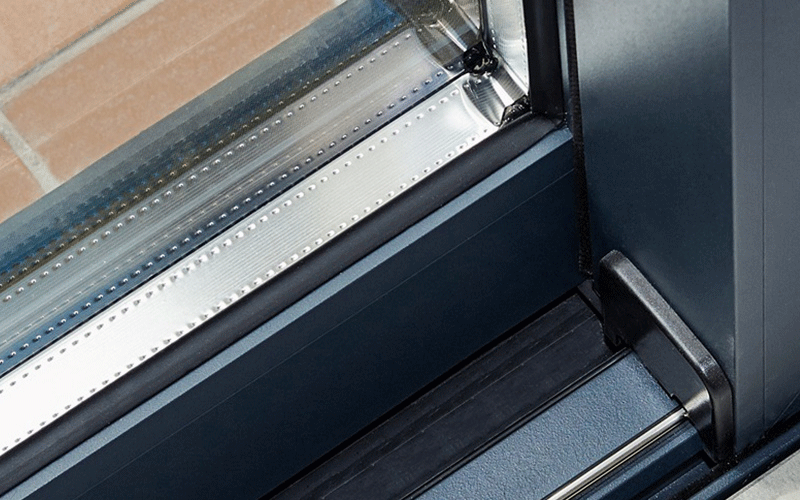
For exterior doors, fiberglass resists moisture and often keeps its shape through seasonal changes. Steel provides security and stiffness, although damaged coatings may encourage corrosion. Aluminum doors suit large openings, but they need careful thermal design in cold climates. Ask suppliers for tested air leakage, water penetration, wind-load, and thermal data. Do not rely on a brochure alone. Request corner samples, gasket sections, finish samples, and installation tolerances. A small sample can reveal more.

Site conditions should guide the material choice. Coastal air, intense sunlight, freeze-thaw cycles, and frequent cleaning expose different weaknesses. I once favored a narrow frame for its clean appearance, then reconsidered after seeing its limited drainage path. That mistake still matters. Confirm certified testing, warranty terms, replacement-part availability, and installer training. A professional source should explain strengths and compromises, not promise perfect performance.

Verify Suppliers, Certifications, Manufacturing Capacity, and Quality

How to Source Pro Windows and Doors in 2026?

Start with evidence, not attractive samples. The International Energy Agency reports that buildings consume about 30% of global final energy. The U.S. Department of Energy estimates that windows cause 25–30% of residential heating and cooling energy use. These figures make supplier verification a technical decision, not a price comparison.

Request current test reports, product drawings, and certification records. Check whether certificates cover the exact frame, glass, hardware, and size you will purchase. NFRC ratings can confirm U-factor, solar heat gain coefficient, and visible transmittance. Do not accept a general factory certificate as product proof. A quality system certificate, such as ISO 9001, shows process control, but it does not guarantee every window performs well.

Inspect manufacturing capacity with production records, not promises. Review monthly output, active orders, glass-processing limits, extrusion sources, and backup equipment. Ask for batch numbers, inspection photos, air-leakage results, water-penetration tests, and packaging procedures. FGIA guidance supports performance testing under defined laboratory conditions, yet site conditions can differ sharply. That gap matters.

A polished factory tour can still mislead. I have learned to compare promised lead times with recent shipping records. Small inconsistencies deserve questions. Check corner welds, drainage holes, gasket joints, and hardware movement on random units. One practical weakness remains: many buyers verify the first sample, then stop checking later batches. That is risky. Independent pre-shipment inspection and retained samples provide stronger evidence when production changes.

How to Source Pro Windows and Doors in 2026? — Verify Suppliers, Certifications, Manufacturing Capacity, and Quality
Verification Area Data Dimension Evidence or Benchmark to Request Recommended Acceptance Criteria Risk if Not Verified Priority
Supplier Verification Legal business identity Company registration, tax registration, factory address, ownership details, and bank-account consistency. All legal documents should be current, consistent, and independently checked against the stated production location. Contract disputes, payment fraud, or inability to enforce warranty obligations. Required
Supplier Verification Relevant manufacturing experience Documented project references, product photographs, production records, and export history for comparable window or door systems. At least 3 verifiable projects using similar materials, dimensions, hardware, and performance requirements. Inaccurate quotations, poor technical support, and unreliable delivery performance. Required
Supplier Verification Quality management system Valid ISO 9001 certificate issued by an accredited certification body, plus documented inspection procedures. Certificate scope should cover the relevant manufacturing activities and remain valid through the order period. Inconsistent processes, weak traceability, and recurring production defects. Recommended
Certifications Market-specific compliance Applicable conformity documentation for the destination market, including product test reports and declarations where required. Documents must match the exact profile, glass, hardware, configuration, and intended market—not merely a similar product. Customs delays, failed inspections, and non-compliant installations. Required
Certifications Thermal performance U-value or U-factor reports for the complete window or door assembly, including frame, glass, spacer, and hardware configuration. Use the project specification as the minimum target; compare whole-product values rather than center-of-glass values only. Higher heating and cooling costs and failure to meet energy-code requirements. Required
Certifications Air, water, and wind performance Independent laboratory test reports based on the applicable regional testing standard and product size. Test specimen size and configuration should be equal to or more demanding than the project’s required size and exposure conditions. Water leakage, air infiltration, structural movement, and premature seal failure. Required
Certifications Safety glazing Evidence that impact-prone glazing uses compliant tempered or laminated safety glass where required by local building regulations. Glass type, thickness, markings, and installation location must be identified on drawings and packing documents. Injury risk, failed inspections, and expensive site replacement. Required
Manufacturing Capacity Monthly production capacity Production-line description, equipment list, staffing levels, historical output, and current capacity utilization. Available capacity should exceed the project’s average monthly demand by at least 20% during the planned production window. Late shipment, rushed production, and reduced inspection quality. Recommended
Manufacturing Capacity Lead time Written schedule covering technical approval, prototype, production, quality inspection, packing, and dispatch. Separate material lead time from production time; include a documented contingency plan for critical components. Unplanned installation delays and increased project-management costs. Required
Manufacturing Capacity Material traceability Batch records for aluminum, uPVC, steel, glass, seals, coatings, and hardware, linked to production orders. Critical components should be traceable from incoming inspection through final packing. Difficulty identifying defective batches or managing warranty claims. Recommended
Quality Control Incoming-material inspection Inspection checklist for dimensions, alloy or material grade, surface finish, glass specification, color, and hardware quantity. Inspection records should show acceptance limits, measured results, inspector identity, and non-conformance actions. Defects become embedded in finished products and are costly to correct. Required
Quality Control In-process inspection Checks for cutting accuracy, corner joints, drainage paths, gasket installation, hardware alignment, and dimensional tolerance. Use approved drawings and documented tolerances; inspect the first article and statistically selected units during production. Operational problems, poor weather tightness, and inconsistent appearance. Required
Quality Control Final inspection and sampling Pre-shipment inspection report, approved sample, defect photographs, packing-list reconciliation, and random-unit checks. Use a written acceptance standard and a defined sampling plan; do not release payment solely on photographs. Receiving damaged, incomplete, or visually inconsistent products. Required
Quality Control Defect and rework rate Monthly non-conformance reports, corrective-action records, and first-pass-yield data for the relevant product line. Set a contractual target, such as less than 2% major defects at final inspection, with corrective action for repeated failures. Recurring defects, higher installation labor, and warranty exposure. Recommended
Product Configuration Customization control Approved shop drawings, bill of materials, color references, glass schedule, hardware schedule, and revision history. Production should begin only after a signed technical approval; every revision must have a controlled document number. Wrong dimensions, mismatched colors, and incompatible components. Required
Logistics Packaging and container loading Packaging specification, corner protection, moisture control, barcode or label system, loading photographs, and pallet plan. Packaging must prevent movement, abrasion, glass damage, and water exposure during inland and ocean transport. Transit damage, difficult inventory control, and installation-site shortages. Required
After-Sales Warranty and spare parts Written warranty terms, exclusions, response times, replacement-part list, and claims procedure. Warranty coverage should clearly identify frames, glass, finishes, seals, and hardware, with a defined claims timeline. Unresolved defects and unexpected maintenance costs. Required
Commercial Control Supplier evaluation score Weighted assessment covering compliance, capacity, quality, lead time, communication, documentation, and total cost. Approve suppliers scoring at least 80 out of 100, with no failure in mandatory compliance or safety criteria. Low-price selection that creates higher total project cost. Target: ≥ 80/100

Evaluate Quotes, Lead Times, Warranties, and Total Ownership Costs

How to Source Pro Windows and Doors in 2026?

Evaluate each quote beyond the headline price. Ask whether it includes delivery, installation, flashing, trims, disposal, and taxes. A low quote can become expensive after missing work appears. Request exact specifications, including frame material, glass type, U-value, air leakage, and hardware grade. Small details matter. Confirm measurements through a documented site survey, not a rushed phone estimate.

Lead times should be written by product and project stage. Clarify manufacturing, shipping, installation, and inspection dates. Ask how delays are handled and whether storage fees apply. Read the warranty carefully. Check coverage periods, labor exclusions, glass breakage terms, maintenance duties, and transfer conditions. On a recent renovation, I trusted a general delivery estimate and underestimated interior finishing time. The lesson was uncomfortable but useful: schedules need buffer.

Tips

Compare at least three detailed quotes. Use the same specification sheet for each supplier. Calculate total ownership costs over ten years, including cleaning, repainting, seal replacement, heating or cooling losses, and likely repairs. Keep every promise in writing. Do not guess. Review samples in daylight, then inspect corner joints, seals, locks, and drainage paths. Ask for installation references and evidence of qualified workmanship. A strong supplier should explain limitations plainly, not hide behind impressive performance figures.

Finalize Orders Through Contracts, Inspections, and Delivery Planning

Professional window and door sourcing becomes reliable when the order is controlled on paper. Before signing, attach approved drawings, opening sizes, frame materials, glass specifications, hardware schedules, finishes, and performance targets. State tolerances clearly, including acceptable size variation and permitted color differences. Payment stages should match measurable milestones, not vague promises. Include lead time, inspection rights, replacement procedures, and responsibility for damage. Do not leave details verbal.

An experienced buyer also checks whether the supplier can provide test reports and traceable production records. Ask for current compliance documents relevant to the installation location. Documents matter. However, paperwork alone cannot confirm every frame. Arrange a pre-shipment inspection, preferably with an independent inspector. Measure random units, inspect corner joints, operate locks, and photograph labels and packaging. Check glass for scratches, seal failures, and incorrect markings. Compare actual products with the signed drawings. This step often catches small errors before they become expensive site delays.

Delivery planning deserves equal discipline. Confirm pallet dimensions, gross weight, unloading equipment, access restrictions, storage conditions, and weather protection. Give the carrier a site contact and a dated unloading window. Ask for photos before dispatch and at arrival. On delivery, count every crate before signing. Record crushed corners, wet cartons, broken glass, or missing hardware immediately. Use conditional acceptance when damage is visible. Do not rely on memory. A rushed approval can create more cost than a slower inspection, and that mistake is easy to repeat.