


What Are the 2026 Top Types of Sliding Patio Doors?

Choosing the right sliding patio doors in 2026 requires more than comparing frame colors and glass sizes. Homeowners now consider daylight, insulation, security, accessibility, maintenance, and outdoor space. A wide glass opening can transform a dim living room. However, it can also expose poor installation, overheating, or difficult operation.

This guide examines the leading door types expected to shape the 2026 market. It covers traditional two-panel systems, multi-panel sliders, lift-and-slide doors, pocket designs, and corner-opening configurations. Each option creates a different experience. Some glide quietly with minimal effort. Others provide dramatic openings but demand stronger walls, precise engineering, and higher budgets.

Performance matters.

From hands-on renovation experience, small details often decide long-term satisfaction. A low threshold may help wheelchair users and reduce tripping risks. Double or triple glazing can improve comfort near the glass. Proper drainage prevents water from collecting along the track. A multi-point lock adds confidence, but it cannot replace professional installation or regular maintenance. Energy labels, local building requirements, and manufacturer testing should also guide the final choice.

There is no perfect door for every home. That assumption can fail. A slim aluminum frame may suit a modern extension, while a thermally improved vinyl or fiberglass frame may perform better in another climate. This article compares the practical strengths, limitations, costs, and ideal applications of the top sliding patio doors for 2026. Expect useful guidance, but verify product specifications before making a purchase.
What Are the 2026 Top Types of Sliding Patio Doors?

What Defines a Sliding Patio Door in 2026?

What Are the 2026 Top Types of Sliding Patio Doors?

In 2026, a sliding patio door is more than a glass panel moving sideways. It is a glazed exterior opening built around horizontal travel, a stable frame, and a weather-resistant track. Most systems use two, three, or four panels. One panel usually slides behind another, while fixed panels provide daylight without movement.

Common types include traditional two-panel doors, wide multi-panel systems, telescoping doors, and lift-and-slide designs. Traditional models suit smaller openings and simpler replacement projects. Multi-panel and telescoping doors create broader views, but they need stronger structure and careful alignment. Lift-and-slide doors raise the panel slightly before movement. This reduces rolling resistance and supports larger glass areas.

A reliable 2026 design should include insulated glass, durable rollers, secure locking points, and a track that drains water effectively. Low thresholds can improve accessibility, but they may demand better weather detailing. On installation sites, even a small frame error can cause dragging, air leakage, or difficult locking. That detail is easy to underestimate.

Energy performance also depends on wall insulation and correct installation, not glass alone. Smart sensors may report whether the door is open, yet they cannot fix a poorly sealed frame. A wider opening is not always better. It can reduce wall strength and increase maintenance. Homeowners should compare panel weight, drainage, repair access, and local weather exposure before choosing a style.

Which Types of Sliding Patio Doors Are Available?

In 2026, sliding patio doors are available in several practical configurations. Two-panel doors suit compact openings and usually provide one fixed panel with one moving panel. Three-panel and four-panel systems create wider views, making a garden or balcony feel closer. Center-opening models move from both sides, producing a balanced entrance for entertaining. They look impressive, but their larger frames demand accurate installation.

Multi-slide doors stack several panels beside the wall. They offer a clean, open transition, especially across a 10-foot living-room opening. Pocket sliding doors disappear inside a wall cavity, saving floor space, though repairs may become difficult. Lift-and-slide doors raise the panel slightly before movement. This reduces rolling resistance and supports heavier insulated glass. Folding-sliding systems create broad openings too, but their extra hinges need regular adjustment.

Performance matters as much as appearance. The U.S. Department of Energy reports that windows can represent 25% to 30% of household heating and cooling energy use. Low-emissivity glass, warm-edge spacers, and insulated frames can reduce unwanted heat transfer. The AAMA/WDMA/CSA 101/I.S.2/A440 standard provides a recognized framework for testing air, water, structural, and operating performance. A wider opening is not automatically better. In my experience, a smooth two-panel door often performs more reliably than an oversized system installed without adequate support. Check the sill height, drainage path, wall structure, and local weather exposure before choosing. Small details matter.

How Do Sliding Patio Door Materials and Designs Differ?

In 2026, sliding patio doors are moving beyond the basic two-panel format. Two-panel doors suit compact rooms, while four-panel and multi-slide systems create wider openings. Pocket designs disappear into the wall, but they require careful structural planning. Lift-and-slide doors feel smoother because their panels rise slightly before moving. That mechanism adds cost and maintenance points.

Material choices change comfort, appearance, and service life. Vinyl frames usually offer lower purchase costs and simple upkeep. Aluminum provides slim sightlines and strong resistance to warping, although it can transfer heat without thermal breaks. Fiberglass resists moisture and temperature changes, but its finish may not match every interior. Wood gives warmth and repairability; however, it needs consistent sealing near wet or sunny openings.

Glass performance deserves more attention than frame style. The U.S. Department of Energy reports that low-emissivity coatings can reduce window energy loss by 30% to 50%. The National Fenestration Rating Council recommends comparing U-factor and solar heat gain coefficient ratings, not just appearance. In practice, a sunny west-facing room may need lower solar heat gain, while a cold climate may prioritize lower U-factor. Bigger glass is attractive. It is not automatically better. A 2024 National Association of Home Builders buyer-preference report also places outdoor living features among highly requested home elements, supporting demand for larger openings. Still, oversized panels can feel heavy, and my own design preference is sometimes too optimistic about daily operation.

What Features Improve Sliding Patio Door Performance?

In 2026, sliding patio doors are more than wide glass panels. Their performance depends on several practical features. Low-emissivity glass helps control indoor temperatures during hot summers and cold winters. Double or triple glazing can reduce outside noise near busy streets. Thermally broken frames also limit heat transfer through the door structure. A tight weather seal prevents drafts, rain, and dust from entering the room. Smooth rollers matter, too. A heavy door should move quietly without forcing or lifting.

Tips: Check the frame corners for clean joins and even gaps. Ask for tested air, water, and wind performance. Choose a multi-point lock for stronger resistance against forced entry. Select tempered or laminated safety glass where appropriate. During installation, confirm that the sill slopes outward and drains correctly. Even excellent materials can perform poorly when fitted carelessly. That detail is often overlooked.

For small rooms, a two-panel door saves wall space and brings in useful daylight. Larger openings may need three or four panels, but wider glass increases weight and maintenance demands. Pocket-style sliders create a cleaner opening, although repairs can become less convenient. I have found that simple tracks are easier to keep reliable. This is not always the most fashionable choice. Inspect rollers and seals every year, especially after harsh weather. No sliding door is maintenance-free.

What Are the 2026 Top Types of Sliding Patio Doors? - What Features Improve Sliding Patio Door Performance?

A practical comparison of common sliding patio door configurations and the features that affect comfort, durability, security, and energy performance.

Door Type Typical Configuration Main Advantages Potential Limitations Best Use Case Performance Priority
Two-Panel Sliding Door One fixed panel and one operating panel sliding horizontally. Space-efficient, widely available, simple to operate, and suitable for standard wall openings. Provides less clear opening than multi-panel systems and may offer limited ventilation. Apartments, compact rooms, and typical residential patios. Low-friction rollers, secure locking hardware, weatherstripping, and insulated glazing.
Three-Panel Sliding Door One or two operating panels combined with a fixed center or side panel. Creates a wider glazed area and larger access point than a basic two-panel unit. Requires a wider structural opening and careful alignment during installation. Family rooms, larger patios, and indoor-outdoor entertaining areas. Reinforced frames, multi-point locking, precision rollers, and a properly supported sill.
Multi-Panel Sliding Door Several panels moving on one or more tracks, sometimes stacking or meeting at a corner. Maximizes daylight, views, and the connection between interior and exterior spaces. Higher structural, installation, drainage, and hardware requirements than smaller systems. Modern homes, wide openings, and projects designed for expansive outdoor access. Structural reinforcement, heavy-duty rollers, track drainage, air sealing, and anti-lift protection.
Pocket Sliding Door The operating panel slides into a concealed wall pocket when open. Offers a nearly unobstructed opening and a clean architectural appearance. Needs a suitable wall cavity and makes future access to concealed components more difficult. New construction or major renovations with sufficient wall depth. Reliable pocket drainage, corrosion-resistant tracks, accurate installation, and accessible maintenance planning.
Lift-and-Slide Door A handle mechanism slightly lifts the panel from the track before it slides. Supports large, heavy panels while reducing rolling resistance during operation. Usually costs more and requires accurate frame installation and hardware adjustment. Large glazed openings where smooth operation and strong weather sealing are important. High-load hardware, rigid frames, compression seals, drainage design, and precise tolerances.
Thermally Improved Sliding Door A sliding design with insulated frames, thermal barriers, and energy-efficient glazing. Reduces heat transfer, interior surface condensation risk, and temperature discomfort near the door. Performance depends on the complete assembly, installation quality, and local climate. Cold, mixed, or hot climates where energy efficiency is a major design goal. Low-conductivity frame design, insulated glass, warm-edge spacers, and continuous air sealing.

Features That Improve Sliding Patio Door Performance

Performance Feature How It Helps What to Look For Primary Benefit
Low-E Insulating Glass Reflects selected infrared energy while allowing visible light to enter, helping moderate indoor temperatures. Double or triple glazing selected for the climate and orientation. Energy efficiency and interior comfort.
Argon or Krypton Gas Fill Uses a low-conductivity gas between glass panes to reduce heat transfer compared with ordinary air. Factory-sealed insulating glass with documented thermal ratings. Improved insulation.
Thermal Breaks and Insulated Frames Interrupts direct heat flow through conductive frame materials. Continuous insulated sections, especially around the sill and meeting rails. Reduced heat loss and condensation risk.
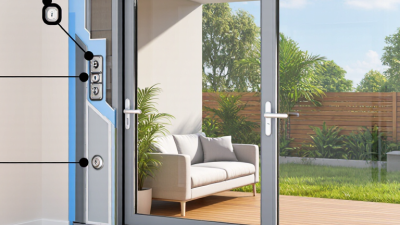
Multi-Point Locking Engages the panel at more than one location, helping resist forced entry and improve compression of seals. Strong hook, bolt, or latch points with an anti-lift design. Security and air tightness.
Precision Rollers and Adjustable Hardware Maintains smooth movement and helps keep the panel aligned within the frame. Corrosion-resistant rollers, accessible adjustment screws, and load-rated components. Ease of use and long-term reliability.
Continuous Weatherstripping Limits drafts, dust, and water penetration around the operating panel and meeting points. Durable compression seals, pile weatherstripping, and properly sealed corners. Weather resistance and comfort.
Positive Sill Drainage Channels incidental water toward exterior weep openings instead of allowing it to collect inside the frame. Sloped sill surfaces, clear weep holes, and compatible pan flashing. Moisture management and durability.
Laminated or Tempered Safety Glass Tempered glass breaks into smaller granules, while laminated glass holds together after breakage. Safety glazing appropriate for doors, large areas of glass, and local building requirements. Occupant safety and added security.
Low-Threshold and Accessible Design Reduces the step-over height and can make the doorway easier to use for people with limited mobility. A properly flashed threshold that balances accessibility with water-management requirements. Accessibility and convenience.
Professional Installation and Adjustment Keeps the frame square, level, plumb, and correctly sealed so the door can perform as designed. Verified opening dimensions, sill flashing, perimeter sealing, and final roller adjustment. Overall performance and service life.

Note: Actual energy, air, water, structural, and sound performance varies by product design, glazing package, climate, installation method, and local code requirements. Compare tested whole-door ratings rather than judging performance from glass or frame material alone.

How Should You Choose the Right Sliding Patio Door?

Choosing the right sliding patio door starts with your opening, climate, and daily habits.

Popular 2026 options include two-panel, multi-panel, lift-and-slide, and pocket systems.

A two-panel door suits a compact 72-inch opening and usually costs less. Multi-panel designs create wider views but need stronger tracks and careful alignment.

Lift-and-slide doors move heavy glass smoothly after the panel rises slightly.

Measure twice.

I recommend checking the wall structure before choosing a large glass system. A west-facing room may need low-emissivity glass to reduce afternoon heat.

In colder regions, compare the door’s U-factor and air-leakage rating. Windy homes need a rigid frame, dependable rollers, and a properly sealed sill.

I once focused too much on appearance and overlooked drainage, which caused water marks after heavy rain. That mistake still influences my inspections.

Think about how the door will feel after five years, not only on installation day.

Test the handle, lock, screen, and roller movement in person. Children, pets, and muddy shoes can quickly expose weak thresholds.

A flush sill looks elegant, but it may require better exterior drainage. A raised sill offers added protection, though it can create a small trip point.

Ask the installer about shimming, flashing, glass replacement, and service access. Cheap hardware is rarely cheap later.