



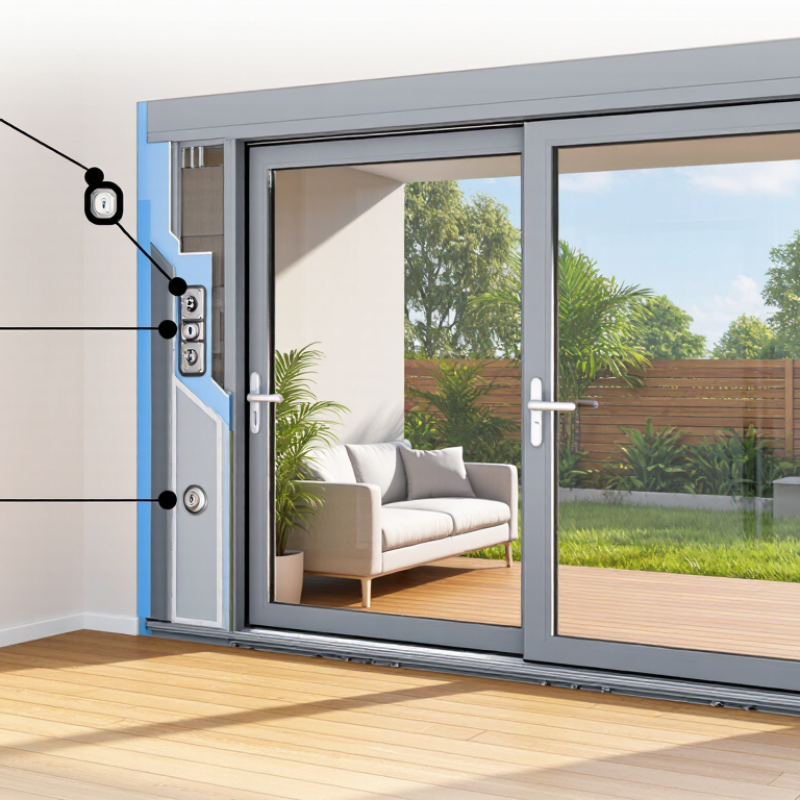
How to Choose the Best Sliding Window Doors?
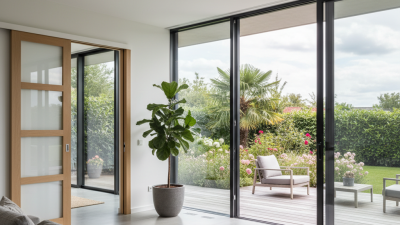
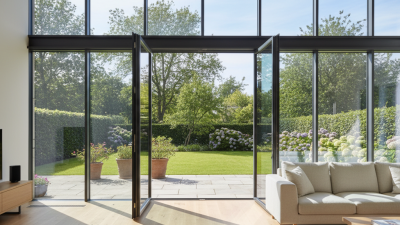
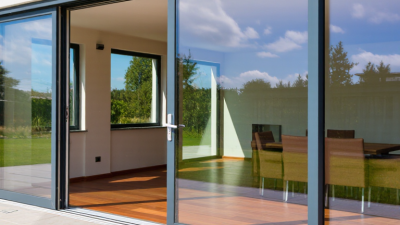
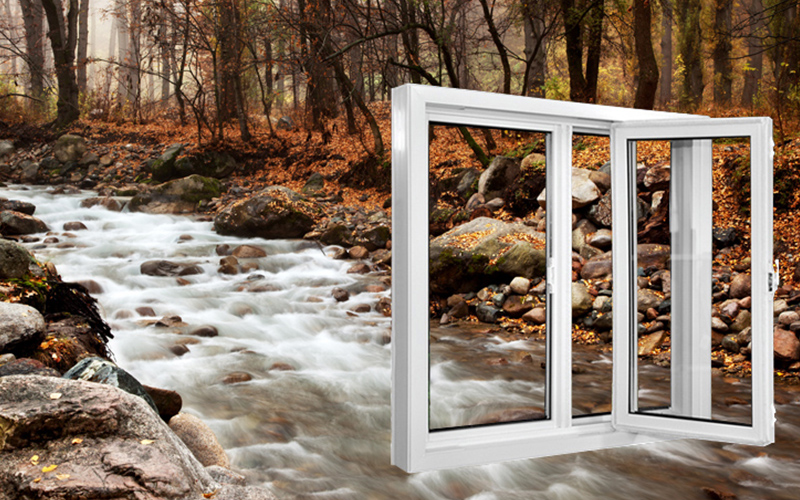
Define the door type before measuring the opening. Two-panel sliders suit compact rooms and moderate daily use. Three- or four-panel systems create wider passages for patios, kitchens, and busy family areas. Pocket sliders disappear into the wall, but they require deeper framing and careful waterproofing. Folding systems offer broad access, although their hardware needs more maintenance. Traffic changes everything.
Measure the finished opening, not only the glass area. Record width, height, sill depth, wall thickness, and nearby furniture. A busy doorway needs smooth rollers, strong tracks, and a practical handle height. For accessibility, verify the required clear passage with local building professionals. A beautiful door can still fail when a stroller catches on its threshold.
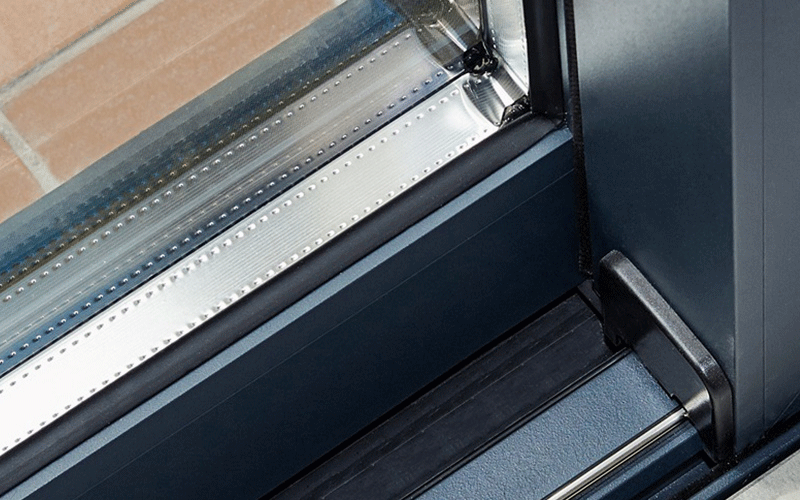
Energy performance deserves equal attention. The U.S. Department of Energy reports that windows account for about 25–30% of residential heating and cooling energy use. Sliding doors with low U-factor glass can reduce heat transfer. The National Fenestration Rating Council explains that U-factor measures insulation, while solar heat gain coefficient measures admitted solar energy. Compare both ratings for your climate. In hot regions, lower solar gain may matter more. In cold regions, insulation usually carries greater weight. I have seen homeowners choose the widest opening first, then regret the cleaning effort and operating weight. Wider is not always better. Inspect samples in person, and test the lock, rollers, screen, and threshold before ordering.