How to Choose Aluminum Patio Doors in 2026?
Choosing aluminum patio doors in 2026 requires more than comparing frame colors. The right system should fit your climate, wall opening, daily habits, and long-term budget. Aluminum remains popular because it offers slim sightlines, structural strength, and low routine maintenance. Yet a narrow frame does not automatically mean better performance. Thermal breaks, insulated glass, weather seals, and precise installation matter just as much. Start with the opening. Measure width, height, sill condition, and drainage path before reviewing product brochures. Small errors here can create expensive delays.
For cold regions, compare U-factor and air-leakage data, not vague claims about energy savings. In hot climates, inspect solar heat-gain performance and glass coatings. Coastal homes need finishes and hardware suited to salt exposure. Ask for independently tested air, water, and structural ratings. Also request written warranty terms, maintenance instructions, and replacement-part availability. A qualified installer should explain flashing, sill pans, shimming, and interior moisture control. Good installation protects performance. It can also expose weaknesses in the surrounding wall.
Before choosing, operate a sample door if possible. Notice the handle pressure, roller movement, latch alignment, and threshold height. Children, older adults, and pets may experience these details differently. Sliding panels save swing space, while folding or hinged designs can create wider openings. Each choice has compromises. No door is perfect. Some impressive systems cost more than their energy savings justify. Others look affordable until custom sizes, delivery, and installation are added. Review certified specifications with a local professional, then compare realistic lifetime value. This guide will help you question attractive claims, identify suitable aluminum patio doors, and make a decision you can defend years later.
Define Your Patio Door Needs and Project Conditions
How to Choose Aluminum Patio Doors in 2026?
Before selecting an aluminum patio door, define how your household will use it. Measure the rough opening, wall thickness, sill height, and available floor clearance. Record these details carefully. Small errors become expensive later.
Direction matters. A south-facing opening may need low-e glazing and external shading to reduce summer heat. Windy or coastal locations require corrosion-resistant finishes and secure hardware. In rainy areas, inspect the sill design, drainage path, and threshold height. Water should move away from the wall, not collect beside it. Check local building requirements before ordering, especially for safety glass, energy performance, and emergency access.
Your preferred movement also shapes the project. Sliding doors suit narrow rooms and furniture placed near the opening. Hinged doors can provide a wider clear passage, but they need swing space. For frequent entertaining, test the handle height and opening force in a showroom. For children or older adults, avoid awkward thresholds and choose reliable locking points. Aluminum frames are strong and slim, yet thermal breaks matter in cold or very hot climates. Do not judge insulation by frame appearance alone.
Budget for installation, flashing, trim, screens, and future adjustment. On renovation projects, hidden structural damage can change the cost. I would not ignore that possibility. Ask the installer how the opening will be supported and sealed. A beautiful door can still fail when installation details are treated as an afterthought.
Compare Aluminum Door Types, Opening Styles, and Configurations
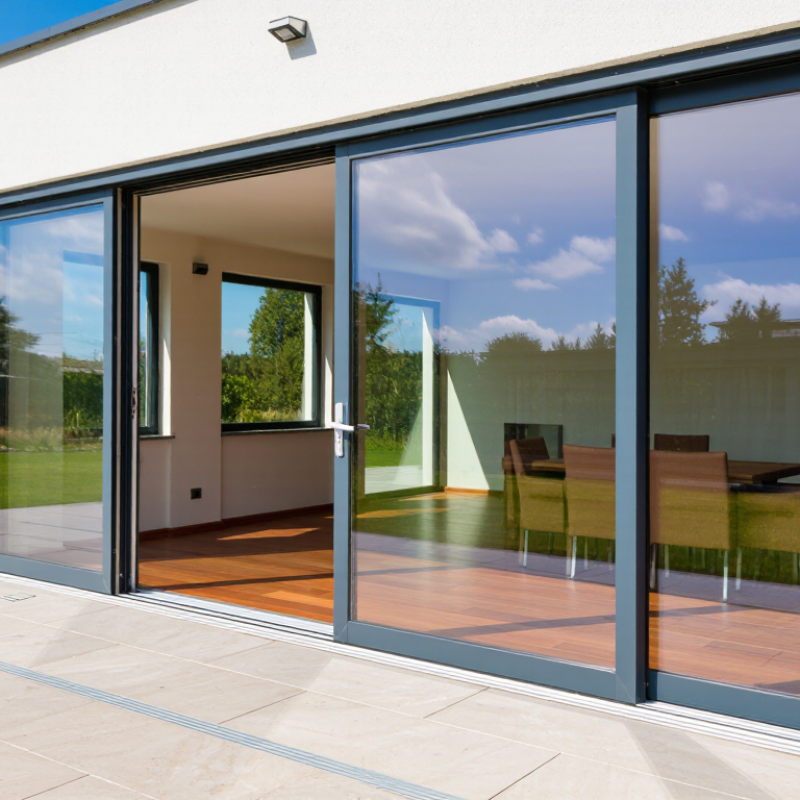
Choosing aluminum patio doors in 2026 starts with movement, not appearance. Sliding doors save interior space and suit narrow patios. Hinged or French doors provide a familiar swing and strong ventilation. Folding systems create a wider opening, but their many panels require precise alignment. Lift-and-slide doors feel smoother on large openings. Their heavier hardware also raises installation costs.
Configuration changes daily use. A two-panel slider works well for compact rooms. A three-panel system offers a larger passage, while a four-panel layout can center the opening. Pocket configurations disappear into the wall, but they demand careful waterproofing and structural planning. In practice, a wide opening is not automatically better. A poorly supported corner can cause sticking, leakage, or uneven gaps.
Performance deserves equal attention. The National Fenestration Rating Council recommends comparing U-factor, solar heat gain coefficient, air leakage, and water resistance ratings. Lower U-factor generally supports better insulation. The International Aluminium Institute reports that about 75% of all aluminum ever produced remains in use, supporting aluminum’s long service potential and recyclability. Ask for thermally broken frames, properly sloped sills, and corrosion-resistant hardware. Details matter. A beautiful door can disappoint when the track collects grit after every storm. Consider the patio’s wind exposure, furniture layout, drainage, and cleaning access before selecting the final opening style.
How to Choose Aluminum Patio Doors in 2026?
Typical clear-opening percentages by aluminum patio door type and configuration
Hinged and folding configurations generally provide a wider usable passage than sliding systems. The percentages represent typical planning values for equal-width residential panels; actual results vary with frame dimensions, interlocks, hardware, and manufacturer specifications.
Evaluate Thermal Performance, Glass Options, and Weather Resistance
How to Choose Aluminum Patio Doors in 2026?
Thermal performance should guide the purchase, not frame color. The U.S. Department of Energy reports that windows can cause 25–30% of residential heating and cooling energy use. Choose doors with a low U-factor for colder climates. In warmer regions, a lower solar heat gain coefficient can reduce indoor overheating. Thermal breaks inside aluminum frames also limit heat transfer. Small details matter.
Glass selection changes comfort near the opening. Double glazing may suit mild climates, while triple glazing offers stronger insulation in colder areas. Low-emissivity coatings reflect indoor heat during winter and solar energy during summer. Argon-filled cavities can improve insulation, but poor seals reduce that benefit. The National Fenestration Rating Council recommends comparing certified U-factor, SHGC, visible transmittance, and condensation-resistance ratings. Not always.
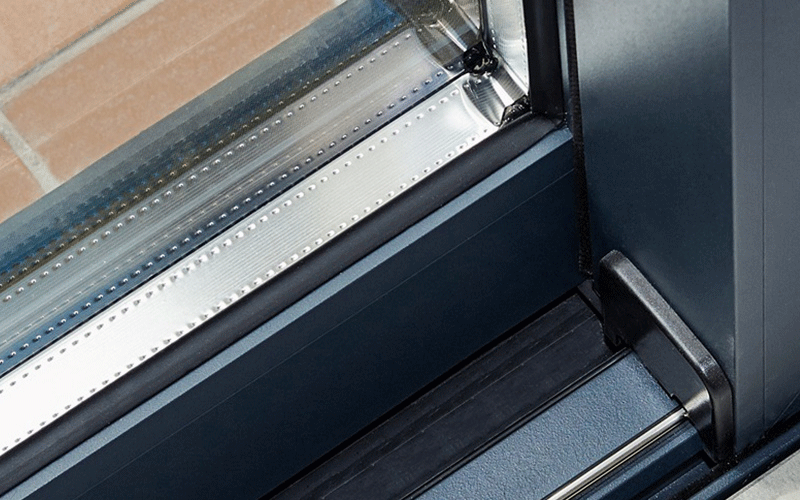
Weather resistance needs practical testing. Check air-leakage ratings, water-penetration results, and design-pressure performance under recognized fenestration standards. A door that feels smooth in a showroom may still admit wind-driven rain. Look for durable corner joints, compression seals, sloped tracks, and drainage paths. The U.S. DOE’s Energy Saver guidance also stresses correct installation, because gaps around the frame can undermine efficient glazing. I would inspect the sill after heavy rain, not just trust the brochure. The mistake is assuming better glass fixes weak installation.
Assess Frames, Hardware, Security Features, and Maintenance Needs
Choosing aluminum patio doors in 2026 starts with the frame, not the finish. Experienced installers examine corner joints, thermal breaks, drainage paths, and wall alignment. A slim profile looks elegant, but it must resist coastal moisture and daily movement. Ask for tested air, water, and structural performance, not attractive specifications alone. I once saw a beautiful door drag after one wet season because the opening was slightly out of square. That mistake changed how I inspect every installation.
Hardware deserves the same scrutiny. Rollers should move smoothly under the door’s full weight, without grinding or side-to-side play. Choose corrosion-resistant handles, adjustable hinges, and a multi-point locking system with protected keeps. Check the lock from inside and outside. It should engage fully with one controlled turn. Security glass, reinforced meeting stiles, and anti-lift blocks can reduce common entry weaknesses. Still, no component makes a neglected door secure.
Maintenance needs are often underestimated. Wipe tracks monthly, remove grit with a soft brush, and keep drainage holes clear. Avoid harsh abrasives on powder-coated surfaces. Inspect seals each spring for flattening, cracks, or gaps. Replace worn rollers before the frame scrapes the sill. Installation guidance matters, yet local exposure matters too. In a windy, salty area, I would schedule inspections more often. “Maintenance-free” may sound appealing, but every moving part eventually needs attention.
Balance Installation Requirements, Lifespan, and Total Project Cost
Choosing aluminum patio doors in 2026 requires more than comparing frame prices.
Installation conditions often determine the final result. Measure the opening after removing interior trim, not before. Check the sill for rot, uneven concrete, and trapped moisture. A level threshold matters.
Ask the installer how the door will be flashed, sealed, and supported. Aluminum expands and contracts with temperature changes. Poor drainage can damage surrounding walls, even when the door appears properly fitted. Sliding panels also need accurate alignment. Small errors may create stiff rollers, air leaks, or rattling during wind.
Lifespan depends on coating quality, hardware, drainage, and maintenance.
Coastal air, strong sunlight, and heavy daily use can shorten service life. Inspect tracks twice a year. Remove grit before it wears the rollers. Replace worn seals early.
Look beyond the quoted door price. Include delivery, removal, structural preparation, waterproofing, trim repairs, labor, disposal, and possible permits. Energy performance may also affect heating and cooling costs. A lower initial quote can become expensive after hidden repairs appear. Still, premium specifications do not guarantee perfect performance. Installation quality remains decisive. Get a written scope with product dimensions, glass type, warranty limits, and adjustment responsibilities. Leave a realistic contingency for surprises. Old buildings rarely match the drawing.