2026 Top Vinyl Door Types for Global Buyers

For global buyers, vinyl doors are no longer limited to basic white patio units. Today’s market includes sliding patio doors, hinged entry doors, French doors, folding systems, and reinforced commercial models. Each type serves a different purpose. A coastal hotel may need corrosion-resistant hardware and strong drainage. A cold-climate home may require insulated frames, low-emissivity glass, and reliable weather seals. A compact apartment may benefit from a smooth-gliding sliding design.

Fenestration consultant Joe Hayden offers a practical reminder: “Installation quality can decide whether a door performs as promised.” That point deserves attention. Even a well-designed vinyl door can leak air, bind, or admit water when the opening is poorly measured. Sometimes, the frame is blamed too quickly. The real weakness may be flashing, drainage, or hardware adjustment.

This 2026 guide examines the leading vinyl doors for international purchasing decisions. It compares frame construction, glass options, reinforcement, thermal performance, maintenance, security features, and customization. Buyers should also review supplier testing records, warranty terms, replacement-part access, and installation guidance. Product labels alone are not enough.

Some recommendations will remain conditional. The “best” door depends on climate, building use, shipping distance, and local installer skill. That is not a perfect answer. It is the honest one. A lower-cost model may work well in a mild inland region, yet disappoint beside strong coastal winds. Careful comparison creates fewer surprises after delivery.

2026 Top Vinyl Door Types for Global Buyers

Vinyl Doors: Definition, Structure, and Key Performance Features

Vinyl Doors: Definition, Structure, and Key Performance Features

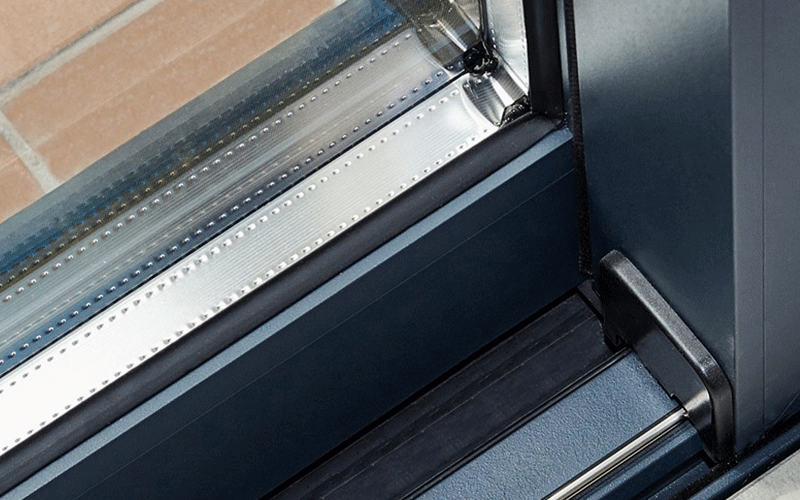
Vinyl doors are entry, patio, or balcony doors built around rigid uPVC profiles. Their frames usually contain several hollow chambers, steel reinforcement, insulated glazing, gaskets, and a weather-resistant threshold. This layered structure limits air leakage and helps the door resist moisture. It also keeps maintenance low. However, vinyl is not automatically strong or energy efficient. Profile depth, reinforcement, glass spacing, and installation quality matter more than appearance.

The U.S. Department of Energy reports that windows can cause 25%–30% of residential heating and cooling energy use.

The International Energy Agency’s 2024 Global Status Report states that buildings consume about 30% of global final energy.

For glazed vinyl doors, low-emissivity glass and insulated frames can reduce this burden. That figure makes door performance relevant to global buyers. Check U-factor, solar heat gain coefficient, air leakage, water resistance, and wind-load ratings. Regional exposure changes the priority. A cold coast needs different specifications from a hot, humid inland area. Ratings alone can mislead.

Tips: Request test reports under recognized standards, such as AAMA/WDMA/CSA 101/I.S.2/A440 or equivalent local standards. Inspect the corner welds, compression seals, and sill drainage path. Ask for installation details, not only product data. A lower U-factor may still perform poorly when the frame is badly fitted. That uncomfortable detail deserves attention.

Main Vinyl Door Types and Their Best Use Cases

Sliding vinyl patio doors suit balconies, compact apartments, and wide garden openings. Their rollers support smooth daily movement, while large glass panels bring daylight indoors. The International Energy Agency’s 2023 Buildings report states that buildings use about 30% of global final energy. Therefore, buyers should compare U-factor, air leakage, and solar heat gain, not glass size alone. A poorly sealed slider can feel cold beside the frame.

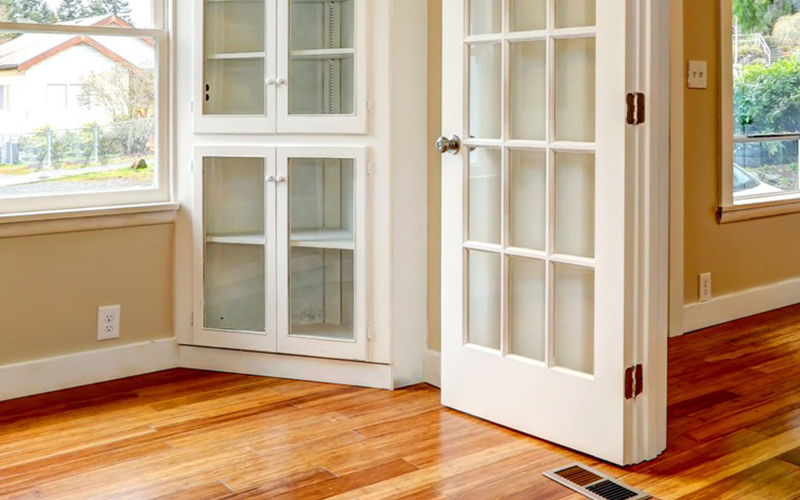
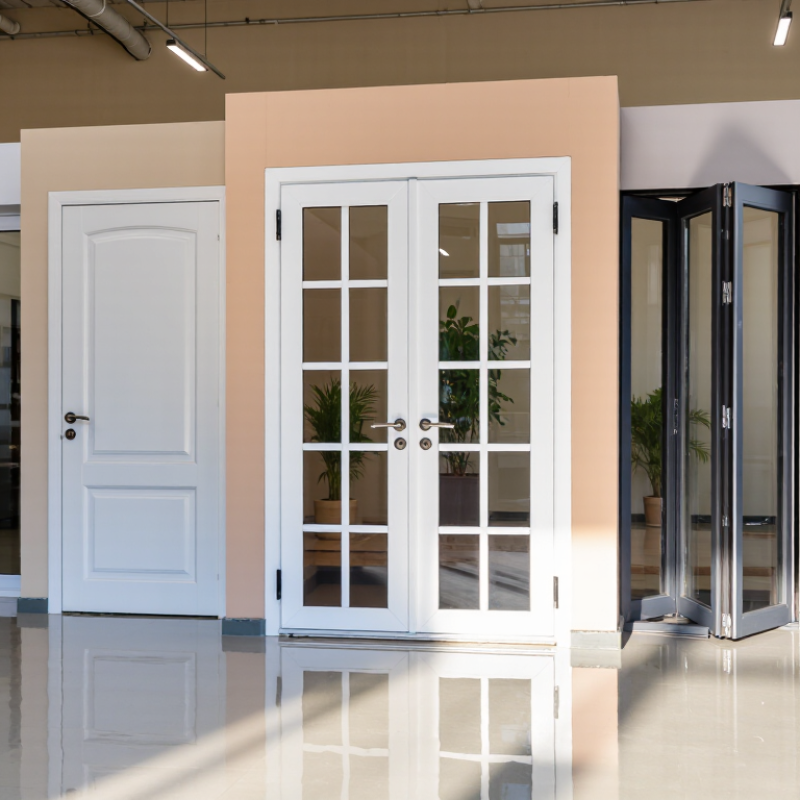
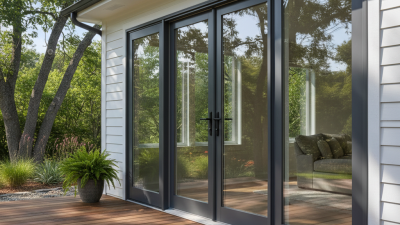
Hinged vinyl doors work well for main entrances, kitchens, and balconies needing stronger closure. Multi-point locks and adjustable compression seals improve security and weather resistance. French-style hinged doors create a traditional opening, but they need more swing clearance than sliders. Folding vinyl doors suit cafés, terraces, and entertainment areas. However, their larger hardware system demands careful alignment and regular cleaning. Freedonia Group’s 2024 Windows and Doors analysis identifies replacement and renovation as important demand drivers, supporting vinyl’s appeal for low-maintenance upgrades. Still, performance varies sharply between profiles, glass packages, and installation quality.

Tips: Request tested U-factor and air-leakage results. Check drainage holes before installation. In coastal zones, choose corrosion-resistant hardware. Measure the opening twice; small errors become expensive. My practical view is simple: vinyl rarely fails by itself. Poor fitting usually does. Specification sheets help, but local climate exposure deserves equal attention.

2026 Top Vinyl Door Types for Global Buyers

Main vinyl door types and their best use cases

The chart compares representative thermal performance values for commonly specified insulated vinyl door systems. Lower U-factor values indicate better heat-transfer resistance. Hinged and French doors are generally preferred for energy efficiency, while sliding and folding doors are selected when wider access and larger glazed openings are priorities. Actual performance varies by frame design, glazing, hardware, installation quality, and regional standards.

How Vinyl Door Designs Compare Across Climate and Building Needs

2026 Top Vinyl Door Types for Global Buyers

Vinyl door performance changes sharply with climate and building use. In hot, sunny regions, sliding doors with low solar heat gain reduce afternoon overheating. The U.S. Department of Energy reports that windows can represent 25–30% of residential heating and cooling energy use. Glazed vinyl doors deserve similar scrutiny, especially on west-facing walls.

Cold climates need stronger frames, insulated cores, and low U-factor glazing. NFRC ratings help buyers compare heat transfer, solar heat gain, and air leakage using consistent methods. In humid coastal areas, welded vinyl frames resist moisture better than many untreated materials. However, hardware and installation still matter. A well-rated door can perform poorly beside an uneven threshold.

ASHRAE climate-zone guidance also changes the design choice. Mild regions may favor ventilation panels and wider openings. High-wind locations require tested impact resistance and reinforced locking points. Commercial buildings often need larger lites, frequent cycling, and accessible thresholds. Residential projects may prioritize noise reduction and easy cleaning. The comparison is not perfectly neat. Vinyl can expand under strong heat, while dark finishes may increase movement. I would not choose by appearance alone. Check the local climate zone, wall exposure, drainage path, and published test values before approving a specification.

2026 Top Vinyl Door Types for Global Buyers - How Vinyl Door Designs Compare Across Climate and Building Needs

Comparative guide to common vinyl and vinyl-based door designs, with emphasis on climate performance, building use, installation priorities, and maintenance requirements.

Vinyl Door Type Typical Construction Best Climate Fit Thermal Performance Moisture and Corrosion Resistance Wind and Impact Considerations Recommended Building Uses Key Limitations
uPVC Hinged Entry Door Rigid uPVC or reinforced vinyl door frame with insulated panels, weather seals, hinges, and a multi-point or standard locking system. Temperate, humid, rainy, and moderately cold regions. Suitable for many residential and light-commercial entrances when properly rated. High
Low-conductivity vinyl frames and insulated cores can reduce heat transfer compared with many uninsulated metal doors.
High
Does not rust and generally resists rain, salt air, and household moisture; joints and seals still require protection.
Requires reinforced profiles, secure anchoring, and tested hardware in high-wind areas. Performance depends on the complete door assembly. Exterior entrances, apartments, townhouses, low-rise commercial buildings, utility rooms, and coastal residential projects. Can expand or contract with temperature changes; dark colors may increase heat absorption. Large or heavily used openings need strong reinforcement.
uPVC Panel Door with Glazing Multi-chamber uPVC frame with insulated opaque panels and one or more sealed insulating glass units. Cold, mixed, and wet climates where daylight, insulation, and weather resistance are important. High
Double- or triple-glazed units and insulated panels can provide good thermal performance when the frame, glass, and spacer system are well specified.
High
The vinyl frame resists moisture, while sealed glazing helps limit condensation when indoor humidity and ventilation are controlled.
Glazing should use safety glass where required. Wind-load resistance depends on glass thickness, reinforcement, anchorage, and tested assembly ratings. Main entrances, rear doors, garden access, balconies, and buildings that require both natural light and improved envelope performance. Glass increases cost and can reduce privacy. Poor installation or inadequate ventilation may still lead to condensation around glass edges.
Vinyl Sliding Patio Door Vinyl or uPVC frame with one or more sliding sashes, insulated glazing, rollers, tracks, interlocks, and perimeter weather seals. Mild, temperate, humid, and coastal climates. High-performance models are also available for colder regions. Medium to High
Large glass areas can increase heat gain or heat loss; low-emissivity glazing, insulated frames, and appropriate solar control improve results.
High
Vinyl resists rust and moisture, but track drainage, weep holes, seals, and sill flashing must remain clear and correctly installed.
Select tested assemblies for exposed elevations and high-wind zones. Sliding panels are more sensitive to track alignment and roller condition than hinged doors. Patios, balconies, garden rooms, terraces, accessible openings, and residential spaces requiring a wide clear passage. Tracks can collect dirt and water. The effective opening is narrower than the overall frame, and security depends heavily on locks, anti-lift devices, and installation.
Vinyl Folding or Bi-Fold Door Multiple hinged leaves using vinyl or uPVC frames, glass panels, rollers, hinges, seals, and a top or bottom guidance system. Mild and temperate climates, especially sheltered residential or hospitality projects. High-performance systems are needed for severe exposure. Medium
Multiple frame joints and large glazed areas create more potential heat-transfer and air-leakage paths than simpler door formats.
Medium to High
Vinyl resists corrosion, but many moving joints and drainage details require careful installation and regular cleaning.
Use only systems tested for the project’s wind exposure. Wide openings require accurate structural support, level thresholds, and correctly adjusted hardware. Indoor-outdoor connections, restaurants, sunrooms, garden rooms, resorts, and large residential openings where maximum opening width is desired. Higher hardware complexity, more maintenance points, reduced performance if misaligned, and usually higher purchase and installation costs.
Vinyl Lift-and-Slide Door Large reinforced vinyl or uPVC panels using low-friction rollers, a raised sill, interlocking profiles, and insulated glazing. Temperate and warm climates, premium residential projects, and buildings with large openings. Suitable for colder climates when thermally rated. Medium to High
Can achieve good insulation with thermally improved frames and high-performance glazing, but the large glazed area remains a major factor.
High
Good resistance to moisture and corrosion when sill drainage, flashing, and weather seals are correctly designed.
Large panels need structural support and project-specific wind testing. Heavy systems require precise installation and stable substrates. Luxury homes, premium apartments, hospitality facilities, and large openings connecting interior spaces with terraces or gardens. Higher weight, cost, sill height, and installation precision requirements. Track contamination can affect operation.
Vinyl Screen or Storm Door Lightweight vinyl, PVC mesh, or vinyl-clad frame designed as a secondary door in front of an exterior entry door. Warm, humid, and insect-prone climates; storm-rated versions may be used in regions with seasonal severe weather. Low
Primarily improves ventilation, insect control, and seasonal comfort rather than providing primary thermal insulation.
High
Vinyl and plastic components tolerate moisture, but mesh, fasteners, and hinges can be damaged by ultraviolet exposure or windborne debris.
Standard screen doors are not a substitute for tested storm protection. Wind-exposed installations require reinforced frames and secure closers. Porches, secondary entrances, warm-climate homes, seasonal ventilation, and buildings where insect control is a priority. Limited security and insulation. Mesh can tear, and lightweight designs may deform or fail under strong wind or impact.
Vinyl-Clad Exterior Door Structural wood, composite, or fiberglass core with a weather-resistant vinyl exterior layer or vinyl-clad frame components. Mixed climates and projects requiring a traditional appearance with improved exterior moisture resistance. Medium to High
Insulation depends mainly on the core, glazing, edge construction, and weather seals rather than the vinyl surface alone.
Medium to High
The exterior cladding helps protect the core, but exposed edges, joints, fasteners, and damaged surfaces must be maintained.
Structural performance is controlled by the core, frame, hardware, and anchorage. Specify tested ratings for exposed or high-wind locations. Custom residential entrances, heritage-style buildings, premium renovations, and projects combining appearance with weather resistance. More material interfaces can create maintenance or moisture risks if detailing is poor. Repairs may be more specialized than for solid uPVC doors.
Cellular PVC Door Solid or cellular PVC components, often combined with reinforced cores, molded skins, insulated panels, and exterior-grade hardware. Humid, rainy, coastal, and high-maintenance locations where resistance to moisture and rot is important. Medium
Cellular PVC has low thermal conductivity, but final performance depends on thickness, reinforcement, edge details, glazing, and seals.
High
Does not absorb water like untreated wood and does not rust; joints, coatings, and hardware remain important.
Reinforcement is necessary for large sizes, heavy hardware, and exposed locations. Confirm resistance to wind pressure, impact, and forced entry where applicable. Wet rooms, coastal houses, exterior utility areas, replacement projects, and buildings requiring low-rot-risk components. Thermal movement can affect long components. Low-quality or insufficiently reinforced products may sag, warp, or have weak screw retention.
Selection note: Actual performance depends on the complete installed assembly, including frame reinforcement, glazing, weather seals, sill drainage, flashing, anchorage, hardware, and local exposure conditions. For global projects, verify applicable regional requirements for thermal transmittance, air leakage, water penetration, wind load, safety glazing, accessibility, fire separation, and forced-entry resistance. Values such as U-factor, air-leakage rate, water-resistance rating, and structural pressure should be taken from independent test reports for the specific door system.

Global Buyer Guide to Sizes, Configurations, and Custom Options

2026 Top Vinyl Door Types for Global Buyers

Global Buyer Guide to Sizes, Configurations, and Custom Options

Vinyl doors suit apartments, coastal homes, and light commercial projects. Common configurations include single hinged, double hinged, sliding, and folding units. Standard widths often range from 700 to 1,200 millimeters. Larger openings need reinforced frames and carefully calculated hardware loads. Always confirm the finished wall opening, not only the door leaf size. A small measurement error can delay installation.

Energy performance deserves equal attention. The International Energy Agency’s 2023 Global Status Report states that buildings use about 30% of global final energy. Choose insulated panels, low-emissivity glazing, and compression seals for demanding climates. However, published U-values are not directly comparable across countries. Test methods differ. Ask for laboratory reports, air-leakage results, and local compliance documents.

Custom options may include inward or outward opening, left- or right-hand operation, custom colors, privacy glass, insect screens, and threshold heights for accessibility.

Tips: Create a size schedule with clear opening, frame depth, glazing type, and drainage direction. For export orders, confirm metric or imperial drawings before production. Review packaging dimensions too; a door that fits the wall may not fit the elevator. NFRC guidance also shows why certified ratings matter. Yet ratings cannot replace site judgment. Wind exposure, salt air, solar heat, and installer skill can change real performance.

Vinyl Door Quality, Standards, Installation, and Long-Term Value

For global buyers, vinyl doors usually fall into three practical types: hinged, sliding, and folding systems. Hinged doors offer stronger compression seals, while sliding doors save space but demand precise track alignment. Folding doors create wide openings, yet their hardware needs closer maintenance. In real projects, the best choice depends on wind exposure, drainage, traffic, and local weather.

Quality begins inside the profile. Multi-chamber vinyl frames, welded corners, reinforced lock zones, and replaceable gaskets improve stability. Look for tested air, water, and structural performance, not only attractive surface finishes.

Performance standards ASTM E283 evaluates air leakage, while ASTM E331 tests water penetration. European projects may reference EN 14351-1 and ISO 10077 for window and door performance. Certification should match the installed configuration.

Energy performance also affects long-term value. The U.S. Department of Energy reports that windows can cause 25–30% of residential heating and cooling energy use. Low-E insulated glass, warm-edge spacers, and accurate installation can reduce avoidable losses. NFRC labels provide U-factor and solar heat gain information for verified products.

Installation still matters. A small perimeter gap, poor sill flashing, or blocked drainage path can damage a good door. IEA reports that buildings consume about 30% of global energy, making every opening relevant. However, laboratory ratings are not field guarantees. Salt air, strong sunlight, and repeated use can expose weaknesses earlier than expected. A careful inspection schedule remains necessary.