What Is the Best Type of Replacement Sliding Doors?
Choosing the best replacement sliding doors is not simply a style decision. It affects daylight, comfort, security, energy use, and long-term maintenance. The U.S. Department of Energy reports that heat gain and loss through windows account for roughly 25%–30% of residential heating and cooling energy use. Sliding glass doors can contribute to that loss, especially when older seals, thin glass, or poor frames are involved.
Performance starts with measurable details. The National Fenestration Rating Council recommends comparing U-factor, solar heat gain coefficient, visible transmittance, and air-leakage ratings. A lower U-factor usually means better insulation. A suitable SHGC can reduce overheating in sunny rooms. These numbers matter more than attractive showroom displays. Often.
Material choice still shapes the final result. Vinyl usually offers affordable insulation and low maintenance. Aluminum provides narrow sightlines and strong frames, but it may transfer heat without a thermal break. Fiberglass resists movement and weather exposure. Wood offers warmth, yet it demands more careful maintenance. The best replacement sliding doors depend on climate, wall exposure, budget, and installation quality.
Building-science expert Dr. Joseph Lstiburek has said, “Water is the single biggest threat to buildings.” That warning applies directly to door sills, flashing, drainage paths, and exterior sealants. Even an excellent door can fail when water enters behind the frame. A careful comparison should therefore examine the whole installation, not only the panel material. This guide will evaluate door types, energy ratings, security features, operating feel, and realistic replacement costs. Some recommendations may remain imperfect, because every home presents different constraints.
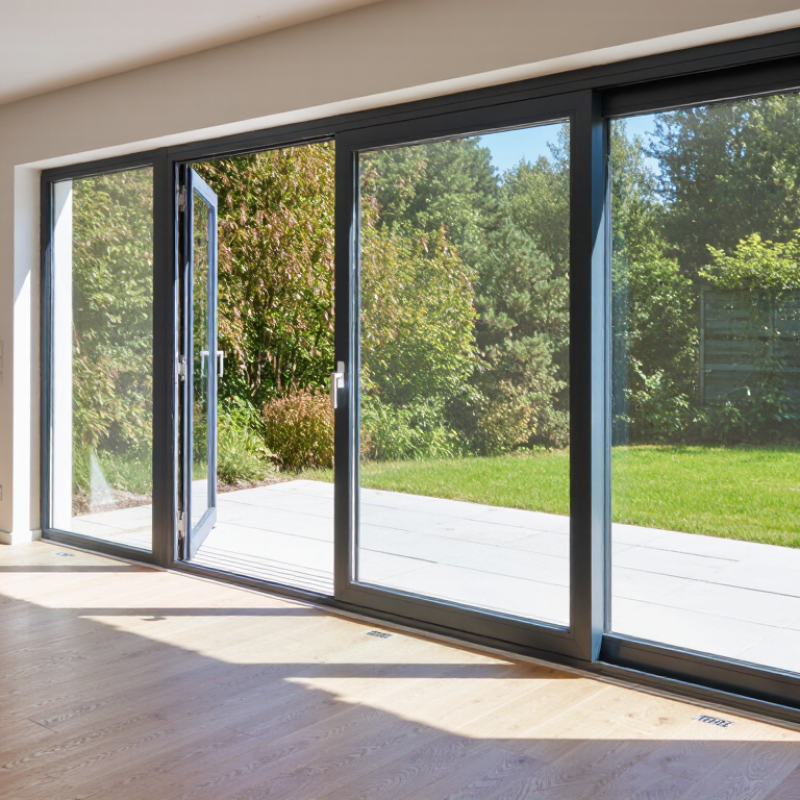
Types of Replacement Sliding Doors and Their Main Features
What Is the Best Type of Replacement Sliding Doors?
Types of Replacement Sliding Doors and Their Main Features
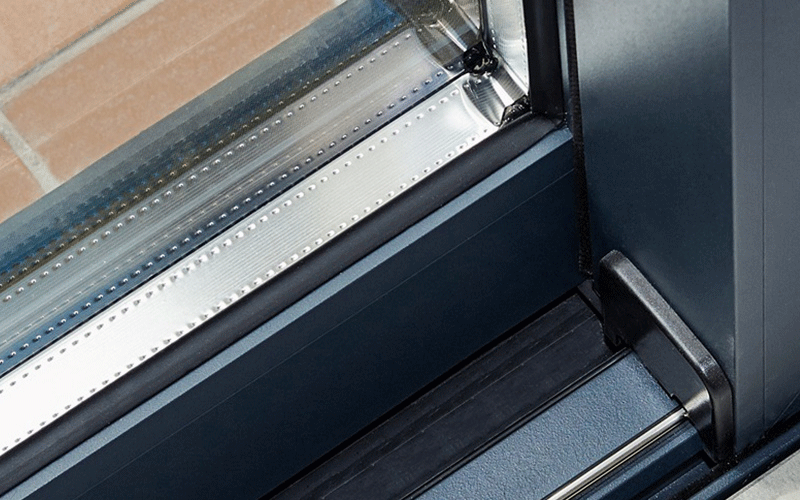
Replacement sliding doors come in several materials, and each suits a different home. Vinyl frames resist moisture and need little painting. They offer practical insulation, but their wider profiles may reduce visible glass. Aluminum frames look slim and modern. However, metal transfers heat easily unless it includes a thermal break. Wood frames provide natural warmth and strong design appeal. They require more maintenance, especially near wet patios. Fiberglass offers good dimensional stability, although its higher purchase price can surprise homeowners.
Glass and hardware matter just as much as the frame. Low-emissivity glass can reduce unwanted heat transfer. The U.S. Department of Energy estimates that windows can cause 25–30% of residential heating and cooling energy use. NFRC labels help compare U-factor and solar heat gain coefficient across products. Multi-point locks, adjustable rollers, and a raised sill improve daily performance. Poor installation can still cause drafts. That part is often underestimated.
Tips: Measure the opening at several points. Ask for the product’s NFRC label and air-leakage rating. Check whether the threshold suits wheelchairs, children, and rain exposure. A professional installer should inspect rot before fitting the new frame. Do not choose only by appearance. I once saw a beautiful door fail because its rollers were too small for the panel weight. No option is perfect.
How to Compare Materials, Insulation, Security, and Durability
The best replacement sliding door depends on the room, climate, and frame condition. A careful site inspection should come before choosing materials. Vinyl frames resist moisture and usually need little maintenance. Aluminum frames look slim and strong, but they can transfer heat unless they include a thermal break. Fiberglass offers good stability, though it may cost more.
Insulation deserves close attention. Compare the door’s U-factor and air-leakage rating, not just the glass description. Low-emissivity double glazing can reduce winter heat loss and summer glare. In colder areas, warm-edge spacers may help limit condensation around the glass. Still, excellent glass cannot correct a poorly sealed opening. Measure the wall cavity, check for rot, and inspect the sill for standing water.
Security involves more than a decorative lock. Look for a multipoint locking system, reinforced strike areas, and panels that cannot be easily lifted from the track. Laminated glass can remain bonded after impact, while tempered glass breaks into smaller pieces. Strong rollers and corrosion-resistant tracks also affect daily safety. Durability depends on installation as much as construction. A slightly misaligned panel may drag, whistle, or leak during heavy rain. I have seen attractive doors fail early because installers rushed the sill flashing. That detail is easy to overlook. The cheapest option can become the most expensive after repeated repairs.
Choosing the Right Door Style for Your Home and Climate
What Is the Best Type of Replacement Sliding Doors?
Choosing replacement sliding doors starts with your climate, not appearance. In cold regions, select low U-factor glass and insulated frames. These features slow heat loss during winter. In hot climates, a lower solar heat gain coefficient helps block intense sunlight. The U.S. Department of Energy reports that windows and doors can cause 25–30% of residential heating and cooling energy use. That figure makes glass selection more important than many homeowners expect.
A two-panel slider suits compact rooms and simple exterior openings. A three-panel design creates a wider passage, but it needs stronger hardware and more wall clearance. For coastal or wet areas, use corrosion-resistant components and carefully sealed tracks. The National Fenestration Rating Council recommends comparing independently verified U-factor and solar heat gain ratings. Those labels provide better evidence than attractive showroom displays.
Installation quality matters just as much. A high-performance door can still leak air if the sill is uneven. Check drainage paths, flashing, weatherstripping, and the surrounding wall before ordering. I would not assume the most expensive option is automatically best. In one renovation, a smaller insulated slider worked better than a wide glass system because afternoon sun overheated the room. That choice was not perfect, either. The owner later wanted a wider opening. A site inspection, climate review, and realistic furniture plan can prevent that kind of regret.
Understanding Installation Requirements and Replacement Costs
What Is the Best Type of Replacement Sliding Doors?
The best replacement sliding door depends on your opening, climate, and installation budget. Vinyl frames usually offer low maintenance and steady insulation. Aluminum frames are slimmer, but they may transfer heat more easily. Fiberglass and wood can provide stronger visual appeal, though wood needs regular sealing.
Measure the existing opening at several points. Walls are rarely perfectly square. A qualified installer should inspect the sill, framing, flashing, and nearby drywall for hidden moisture. Replacement work may require minor reframing, trim repairs, or permit approval under local building rules. Safety glazing is essential near walking areas. The door should also slide smoothly without scraping or sticking.
Installation costs include more than the door itself. Expect charges for removal, disposal, labor, insulation, exterior sealing, interior trim, and possible structural repairs. A low estimate can become expensive when water damage appears. Ask for a written, itemized quote. It should identify the frame material, glass type, warranty terms, and cleanup responsibilities.
Energy performance matters. Look for suitable insulation ratings and tight weather seals for your region. Large glass panels can improve daylight, but they may increase heat gain or loss. A careful installer will explain that trade-off honestly. My own judgment would not rely on price alone. Poor flashing can ruin an otherwise excellent door. Fresh caulk is not a complete installation.
What Is the Best Type of Replacement Sliding Door?
Typical installed replacement costs by door material, including the door unit, standard labor, removal, and basic finishing work.
How to interpret the chart: Vinyl doors are usually the most budget-friendly and require relatively simple installation when the existing opening is sound. Aluminum offers a slim frame and good durability, while fiberglass provides stronger insulation and weather resistance. Wood can offer the highest visual appeal but generally requires more maintenance and a higher budget. Before installation, the opening should be checked for level, moisture damage, correct sizing, flashing, drainage, and proper sealing.
The figures are typical residential planning ranges in U.S. dollars. Actual costs vary according to door size, glass specification, access conditions, structural repairs, local labor rates, and required finishing work.
Maintaining Replacement Sliding Doors for Long-Term Performance
The best replacement sliding door is not only attractive or energy efficient. It should also remain easy to maintain after years of daily use. Before installation, check the opening, wall condition, drainage path, and hardware quality. A poor fit can create drafts, leaks, and difficult operation, even with a well-made door.
Small habits matter. Vacuum the lower track every few weeks, especially near sandy patios or busy entrances. Use a soft brush to remove grit from the rollers and corners. Wipe the track with a damp cloth, then dry it fully. Do not force the panel when it feels stiff. That pressure may bend the frame or damage the roller assembly.
I once ignored a rough sliding sound and waited too long. The eventual repair cost more than a simple cleaning would have.
Inspect the weather seals twice a year. Replace cracked or flattened seals before water enters the room. Check the rollers for uneven movement, loose screws, or visible corrosion. A small adjustment can restore alignment, but repeated binding may require professional service. Lubricant is not always the answer. Some products attract dust and make the track dirtier. Follow the maintenance guidance supplied with the door, and keep a simple service record with inspection dates. This helps reveal gradual problems that are easy to miss during everyday use.