Why Choose Vinyl Sliding Doors for Your Home?
Vinyl sliding doors have become a popular choice for homeowners seeking style and functionality. According to recent industry reports, over 60% of new home constructions now incorporate vinyl sliding doors. Their energy efficiency and sleek design make them a favorable option. "Vinyl sliding doors enhance both aesthetics and functionality," says John Herrington, a leading expert in the home improvement sector.
These doors are weather-resistant and come in various styles and colors. Homeowners appreciate their low maintenance needs. Yet, some might wonder about their durability over time. While many vendors back their products with warranties, real-world wear and tear can vary. Like any material, vinyl has its limitations.
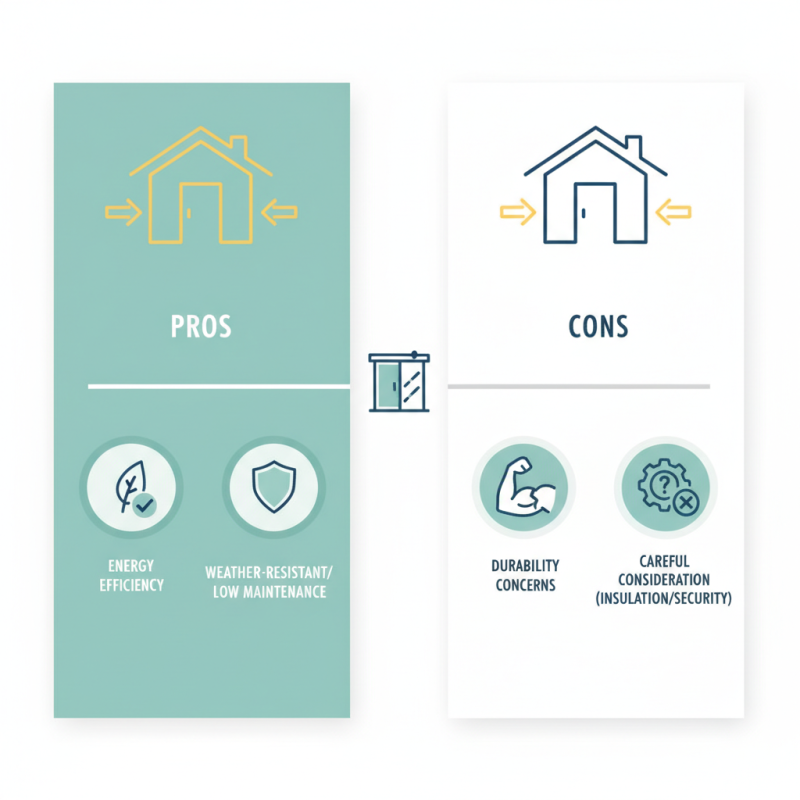
Investing in vinyl sliding doors means weighing the pros and cons. They can elevate a home’s value significantly but require careful consideration. Features like insulation and security must be evaluated thoroughly. Homeowners should ask themselves: do these doors match both my style and practical needs?
Benefits of Vinyl Sliding Doors for Modern Homes
Vinyl sliding doors are an excellent choice for modern homes. They offer a sleek look and are quite functional. The durability of vinyl makes it resistant to warping and fading. This means your doors will maintain their appearance over time. They are lighter than traditional wooden doors, making them easier to operate.
One major benefit is their energy efficiency. Vinyl sliding doors often feature double or triple glazing, which improves insulation. Good insulation helps maintain the temperature inside your home. This can lead to savings on energy bills. Also, they can reduce noise from outside, creating a more peaceful environment.
Tips: Keep your sliding doors clean for better operation. Regularly check the tracks for dirt or debris. If you notice any wear and tear, addressing it early can prolong the life of your doors. Balancing aesthetics and function is key when choosing styles and colors. Don't overlook this detail; a poor choice can affect your home's ambiance.
Durability and Maintenance of Vinyl Sliding Doors
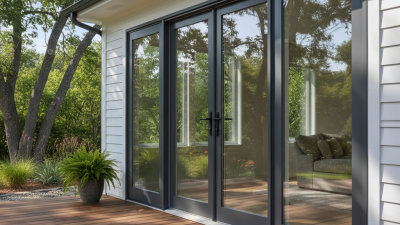
Vinyl sliding doors offer exceptional durability, making them a wise choice for many homeowners. Unlike traditional wood doors, vinyl does not warp, crack, or peel over time. This means less maintenance for you. The material is resistant to moisture and extreme weather. Therefore, it won’t swell in the rain or chip under the sun.
Cleaning these doors is simple. Just a quick wipe down with soap and water keeps them looking new. No need for special treatments or harsh chemicals. Many people overlook this aspect, assuming all doors require extensive care. They don’t. However, some may forget to inspect seals and tracks. Regular checks can prevent issues from mounting. Maintaining those areas will prolong the life of your doors significantly.
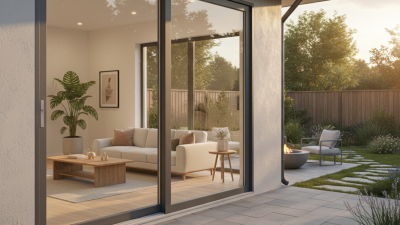
Considering aesthetics, vinyl doors come in various colors and styles. This flexibility allows homeowners to match their exterior easily. Some might hesitate to choose vinyl due to misconceptions about its appearance. It's essential to explore options before deciding. Small imperfections may arise in the manufacturing process, but most can be addressed easily. Ultimately, focusing on long-term benefits can lead to a satisfying choice.
Energy Efficiency of Vinyl Sliding Doors Explained
Vinyl sliding doors are a popular choice for homeowners looking to enhance energy efficiency. One of their biggest advantages is excellent insulation. The vinyl material acts as a barrier against heat transfer, keeping your home warm in winter and cool in summer. This can lead to significant savings on energy bills.
Tips for maximizing energy efficiency: Ensure proper sealing around your doors. This prevents drafts that can compromise insulation. Regular maintenance checks can identify any wear and tear before they become larger issues.
Vinyl sliding doors often come with energy-efficient glass options. Low-E coatings can reflect heat while allowing natural light in. This feature helps reduce reliance on heating and cooling systems. However, if your doors were installed many years ago, consider evaluating their performance. Are they still providing adequate insulation?
Another factor to consider is how the doors are used. Frequent opening and closing can impact energy efficiency. Be mindful of leaving them open for extended periods. Taking these simple steps can enhance the energy performance of vinyl sliding doors.
Why Choose Vinyl Sliding Doors for Your Home? - Energy Efficiency of Vinyl Sliding Doors Explained
| Feature |
Description |
Energy Efficiency Rating |
| Insulation |
Vinyl sliding doors provide excellent insulation, reducing heat loss in winter and keeping interiors cool in summer. |
U-Value: 0.30 |
| Low Maintenance |
Requires minimal upkeep compared to wood doors, as vinyl does not need to be painted or stained. |
Not Applicable |
| Durability |
Resistant to warping, cracking, and fading, making them ideal for all climates. |
Lifetime Warranty |
| Energy Saving |
Helps reduce energy bills by maintaining consistent indoor temperatures. |
Energy Star Rated |
| Aesthetic Appeal |
Available in various styles and colors to complement any home decor. |
Not Applicable |
Design Options and Aesthetic Appeal of Vinyl Sliding Doors
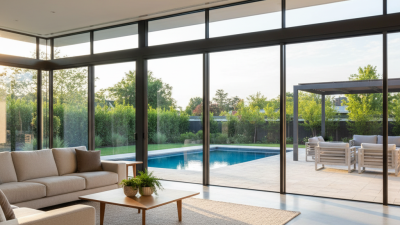
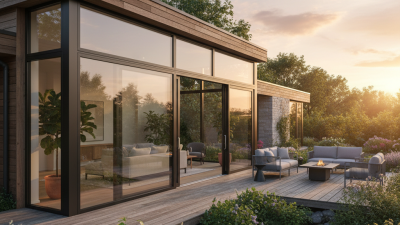
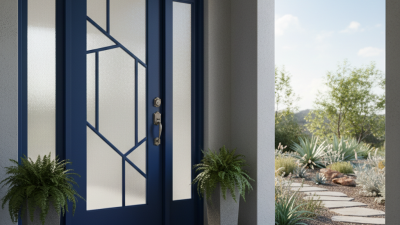
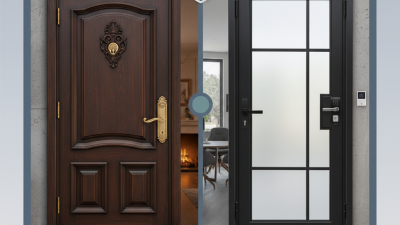
Vinyl sliding doors offer a unique blend of style and functionality. They're available in a range of colors and finishes. Homeowners can choose from classic whites to bold hues. Each option can complement any home design, from modern to traditional. The textures also vary, mimicking the look of wood or sleek glass. This variety allows for personalization that fits individual tastes.
In terms of aesthetic appeal, vinyl sliding doors enhance natural light. Their large glass panels invite the outside in, creating an airy feel. However, some may worry about privacy. Consider adding curtains or blinds for a cozy touch. Maintenance is another factor to ponder. Vinyl is typically low-maintenance, but dirt can accumulate. Regular cleaning helps maintain its appearance. This is something many neglect, yet it's crucial for longevity.
Many homeowners appreciate the modern look of vinyl sliding doors. However, they might overlook the importance of energy efficiency. Quality doors can significantly reduce heating and cooling costs. Nevertheless, not all vinyl doors are created equal. Research is key to ensuring you select a door that balances both beauty and practicality.
Cost Considerations When Choosing Vinyl Sliding Doors
When considering vinyl sliding doors, cost plays a crucial role. Vinyl is known for its affordability compared to wood or fiberglass. It often requires less maintenance over time. This could lead to long-term savings for homeowners. The initial investment is relatively low as well. You can find quality options within various price ranges, making vinyl an accessible choice.
However, it's essential to weigh these costs against durability. Cheaper vinyl doors might not stand up well to extreme weather. This could lead to replacement sooner than expected. Homeowners should also contemplate installation expenses. While some may attempt DIY, professional help could ensure better results. These additional costs can impact the overall budget.
Think about energy efficiency also. Higher-quality vinyl doors may cost more upfront but can save money on energy bills. Evaluate how the sliding doors fit into your home’s design and functionality. Each choice has trade-offs. Spending less might seem wise, but consider the long-term implications.
Cost Considerations for Vinyl Sliding Doors
This bar chart illustrates the cost considerations associated with vinyl sliding doors. It includes material cost, installation cost, maintenance cost, and energy efficiency savings. Understanding these costs aids in making an informed decision when choosing vinyl sliding doors for your home.