What Are Vinyl Doors? Benefits, Types, and Installation Guide
Vinyl doors have gained significant popularity in the construction and home improvement sectors due to their durability and low maintenance requirements. According to a recent report by the Freedonia Group, the demand for vinyl doors is expected to grow at an annual rate of 3.5% through 2026, driven by innovations in design and the increasing preference for energy-efficient products. Homeowners are increasingly turning to these doors, which effectively combine aesthetic appeal with the practical advantages of resistance to weather and insects, making them an exceptional choice for various environments.
Furthermore, the benefits of vinyl doors extend beyond just durability and aesthetics. Studies indicate that vinyl doors offer excellent insulation properties, which can lead to significant energy savings, especially in regions with extreme weather conditions. The U.S. Department of Energy highlights that high-performance door systems can reduce energy loss by up to 25%, thus promoting a more sustainable and cost-effective approach to home design. As this trend continues, understanding the different types and installation processes for vinyl doors becomes increasingly essential for homeowners and builders alike, ensuring that they make informed decisions that enhance both safety and energy efficiency in their spaces.

What Are Vinyl Doors?
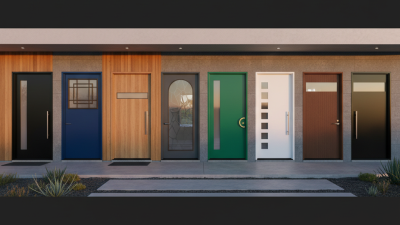
Vinyl doors are a type of exterior door made from polyvinyl chloride (PVC), a widely used plastic known for its durability and aesthetic versatility. These doors are designed to mimic the look of traditional wood, offering a variety of styles and colors to suit different architectural designs. Vinyl doors are popular choices for residential and commercial applications due to their resistance to moisture, rot, and pests, making them a practical option for various climates.
One of the key advantages of vinyl doors is their low maintenance requirements. Unlike wooden doors that may require regular painting or sealing, vinyl doors maintain their appearance with minimal effort. They are also energy-efficient, often equipped with insulated cores that help to keep indoor temperatures stable, reducing energy costs. Additionally, vinyl doors are generally available in custom sizes, providing flexibility for various installation needs. With a combination of aesthetic appeal and functional benefits, vinyl doors have become an increasingly popular choice for homeowners and builders alike.
Benefits of Vinyl Doors
Advantages of Installing Vinyl Doors
Vinyl doors have gained popularity in residential and commercial properties due to their remarkable advantages. One of the primary benefits is their durability. According to the American Society of Testing and Materials (ASTM), vinyl doors withstand extreme weather conditions, providing excellent insulation and energy efficiency. This resilience translates to lower heating and cooling costs, making them a cost-effective choice for homeowners. Additionally, vinyl doors are resistant to rot, rust, and corrosion, which enhances their longevity over traditional wood or metal doors.
Another noteworthy advantage is the minimal maintenance required for vinyl doors. Unlike wood doors that may need periodic staining or painting, vinyl doors simply require occasional cleaning with soap and water to maintain their appearance. This ease of care appeals to busy homeowners looking to minimize upkeep. Moreover, vinyl doors come in a wide range of styles and colors, allowing for customization to fit various architectural designs while keeping aesthetic appeal intact.
Tips: When considering vinyl doors for your home, look for options that include energy-efficient features such as multi-chambered designs and Low-E glass. These aspects not only improve thermal resistance but can also enhance your home’s overall energy efficiency, contributing to long-term savings. Always check if the doors meet local building codes and energy performance standards for optimal results.
Different Types of Vinyl Doors Available
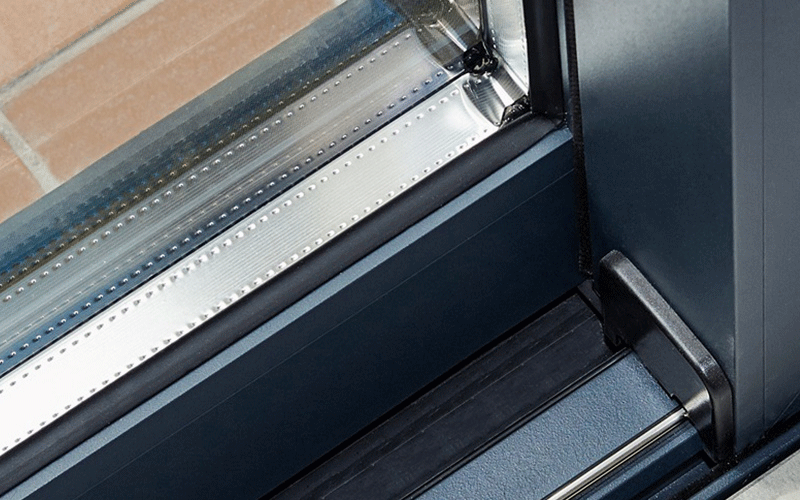
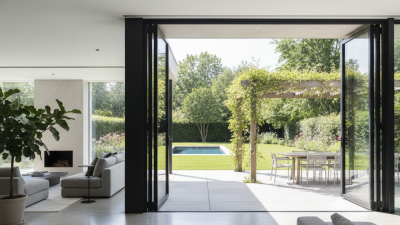
Vinyl doors come in various types, each designed to meet specific needs and aesthetic preferences. One common type is the vinyl sliding door, ideal for maximizing space in smaller areas. These doors glide smoothly along a track, allowing for easy access while providing a wide opening that enhances the flow of natural light into the home. They are particularly popular in patios and balconies where outdoor views are essential.
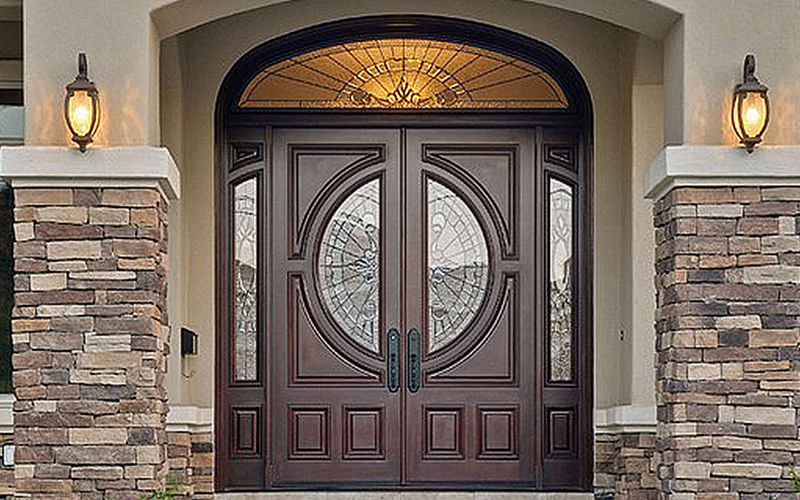
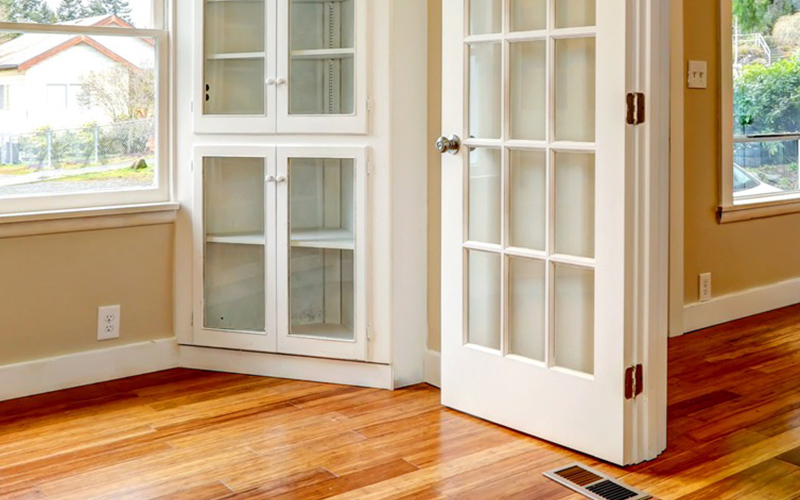
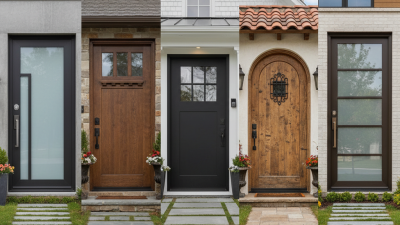
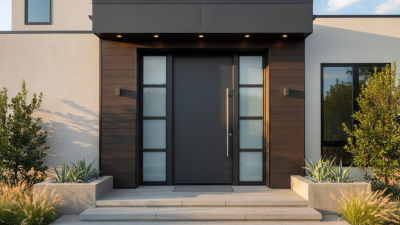
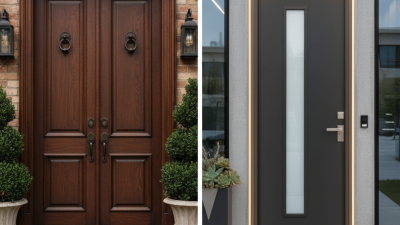
Another popular option is the vinyl entry door, which serves as a stylish and secure entry point to a home. These doors are available in multiple designs and colors, offering great flexibility in design choices. Many vinyl entry doors incorporate insulation features that contribute to energy efficiency, making them a great choice for homeowners looking to reduce energy costs. Additionally, vinyl French doors are an elegant solution for connecting indoor and outdoor spaces while adding a touch of sophistication. With their classic double-door design, they not only provide accessibility but also create an inviting atmosphere.
Overall, the variety of vinyl doors available allows homeowners to choose options that best fit their functional requirements and aesthetic desires, making them a versatile choice for any home.
Step-by-Step Guide to Installing Vinyl Doors
Installing vinyl doors can be a straightforward DIY project if you follow a systematic approach. First, ensure you have all the necessary tools, including a level, measuring tape, and a power drill. Start by removing the old door and preparing the frame. Make sure the area is clean and free of debris, as a proper installation begins with a solid foundation. According to industry reports, improperly installed doors can lead to energy inefficiencies, resulting in increased utility bills by up to 15%.
Once the frame is ready, measure the new vinyl door to confirm it fits the opening snugly. Align the hinges according to the door’s specifications, and use shims to ensure the door is level. An essential tip is to double-check measurements throughout the installation process to avoid common pitfalls. For added security and performance, ensure that the door is adequately sealed to prevent drafts, which can diminish both comfort and energy efficiency by a significant margin.
After securing the door, install any additional hardware such as handles and locks. A final inspection is crucial to guarantee that everything is functioning properly. Ensure that the door opens and closes smoothly without any friction. Tips for maintenance include regular checks on the seals and hinges to prolong the lifespan of your vinyl doors. According to market research, proper installation and maintenance can enhance the lifespan of vinyl doors by up to 50%.
What Are Vinyl Doors? Benefits, Types, and Installation Guide
| Dimension |
Details |
| Material |
Vinyl |
| Durability |
Resistant to moisture, rot, and insects |
| Types |
Hinged doors, sliding doors, bi-fold doors |
| Installation Difficulty |
Moderate |
| Energy Efficiency |
Good insulation properties |
| Maintenance |
Low maintenance; easy to clean |
| Cost |
Varies based on type and size; generally affordable |
Maintenance Tips for Vinyl Doors
Maintaining vinyl doors is essential to ensure their longevity and overall performance. According to the American Vinyl Association, properly maintained vinyl products can last up to 30 years or more, making maintenance practices critical for maximizing their lifespan. Regular cleaning with mild soap and water can effectively remove dirt and prevent the buildup of grime that could lead to discoloration or mold. It is recommended to use a soft cloth or sponge to avoid scratching the vinyl surface, ensuring it remains aesthetically pleasing.
In addition to routine cleaning, inspecting the door's seals and hardware is important. A report from the National Association of Home Builders highlights that well-maintained seals can significantly improve energy efficiency, reducing heating and cooling costs by up to 15%. Homeowners should check the weather stripping and door edges for wear or damage, which can allow drafts and moisture to compromise the door’s integrity. Addressing any issues promptly will help maintain the door's functionality and protect the home against elements.