Top Glass Doors Trends for 2025 That Will Transform Your Home Design
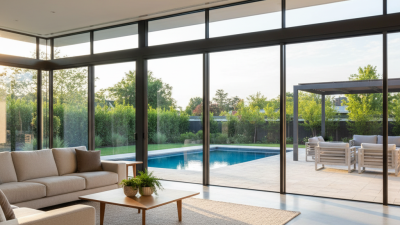
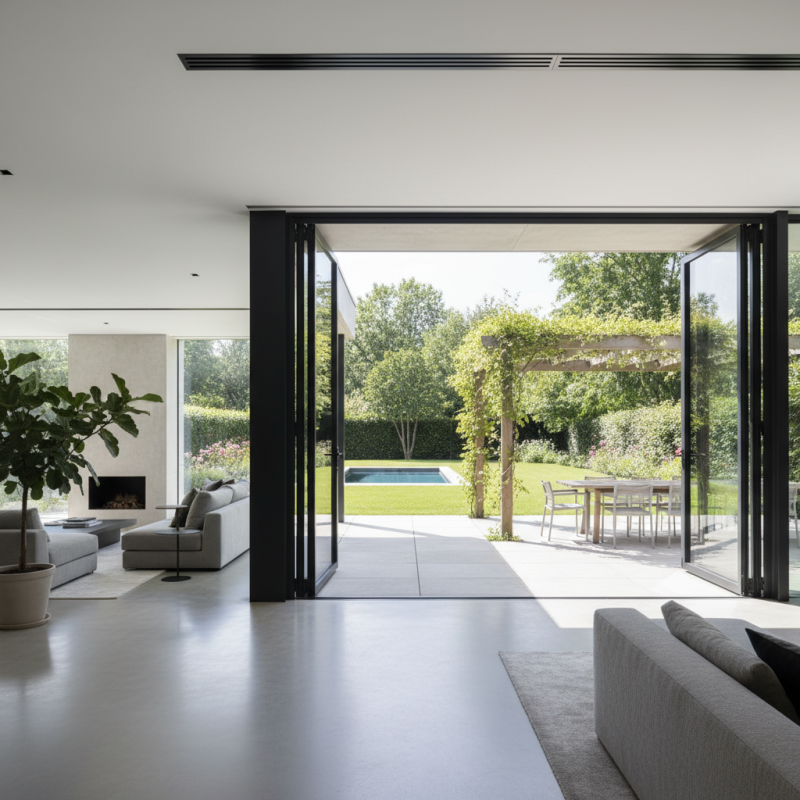
As we step into 2025, the world of home design continues to evolve, embracing innovative and aesthetic choices that reflect both functionality and style. One of the most striking trends gaining momentum is the use of glass doors, which are fast becoming a focal point in modern interiors. These elegant features not only enhance natural light flow but also create a seamless connection between indoor and outdoor spaces, transforming the way we perceive and interact with our homes.
The integration of glass doors into various architectural styles is not merely about aesthetics; it represents a shift towards a more open and airy living environment. With advancements in technology and design, contemporary glass doors come in a variety of styles, sizes, and finishes, catering to diverse preferences while maintaining energy efficiency and security. As we explore the top glass doors trends for 2025, we will uncover how these stunning installations can elevate your home design, offering both practical benefits and an unparalleled visual appeal. Whether it’s bi-fold doors that open up to lush gardens or sleek sliding doors that redefine boundary spaces, the possibilities are endless for those looking to create a harmonious living space.
Innovative Materials Shaping Glass Door Designs for 2025
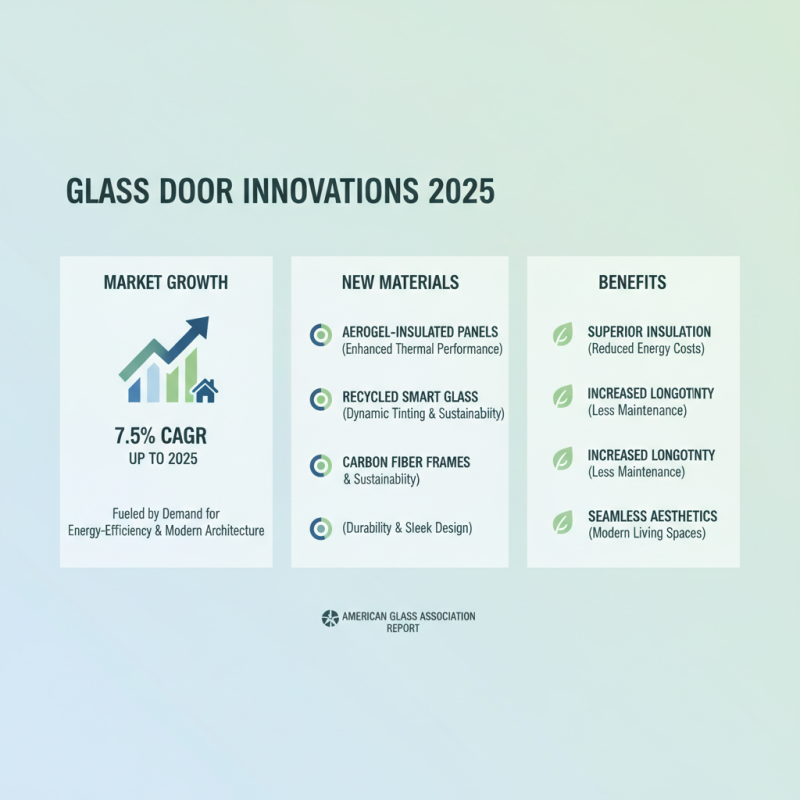
Innovative materials are set to redefine glass door designs in 2025, as homeowners increasingly seek functionality and aesthetics in their living spaces. According to a report by the American Glass Association, the market for glass doors is projected to grow at a compound annual growth rate (CAGR) of 7.5% through 2025. This growth is fueled by a demand for energy-efficient solutions that integrate seamlessly with modern architectural concepts. As a result, manufacturers are experimenting with various materials to enhance thermal performance and durability without compromising style.
In this evolving landscape, the use of laminated glass is gaining traction. This material offers superior strength and safety, making it a popular choice for both residential and commercial applications. Innovations such as self-cleaning coatings and UV-resistant films are also becoming common, enabling homeowners to maintain their stunning views with minimal upkeep. Additionally, the integration of smart technology in glass doors—such as automated opening systems and built-in lighting—is transforming how these structures function within a home, providing convenience and enhancing security. Reports indicate that the adoption of smart glass solutions can reduce energy costs by up to 30%, further driving their popularity among ecologically conscious consumers.
Sustainable Practices in Glass Door Manufacturing and Design
As we look towards 2025, sustainable practices in glass door manufacturing and design are becoming increasingly vital in home design trends. The demand for eco-friendly products has surged, with a recent industry report indicating that 70% of consumers prefer sustainable building materials. Glass doors, known for their aesthetic appeal and energy efficiency, are now being produced with a focus on minimizing environmental impact. Innovations in techniques such as low-emissivity (Low-E) glass and recycled materials contribute to this trend by improving insulation and reducing energy consumption, leading to homes that are both stylish and environmentally responsible.
Furthermore, the lifecycle assessment of glass products shows that sustainable manufacturing practices can significantly lower carbon footprints. In fact, reports by the Global Glass Alliance reveal that using recycled glass in production can reduce energy costs by up to 30%. Additionally, advancements in production processes, such as automated fabrication and lean manufacturing, enhance efficiency while ensuring minimal waste. As homeowners increasingly prioritize sustainability, the integration of these practices in glass door design will not only transform aesthetic choices but also align with the global movement towards greener living environments.
Top Glass Doors Trends for 2025
The following chart illustrates the percentage of preference among various sustainable practices in glass door manufacturing and design for the year 2025.
Smart Technology Integration in Modern Glass Doors
The integration of smart technology into modern glass doors is set to revolutionize home design in 2025. As homes become increasingly connected, glass doors will serve as both functional elements and smart interfaces. Homeowners can expect features such as touchless access, where doors unlock automatically upon detecting a valid user through biometric sensors or smartphone recognition. This technology not only enhances convenience but also elevates security, allowing residents to manage access more effectively.
Moreover, smart glass technology is transforming the way we perceive privacy and ambiance in our living spaces. Electrochromic glass can be adjusted with a simple command, allowing for instant changes in opacity. This means that homeowners can switch from transparent to opaque features, providing privacy without compromising natural light. Additionally, the integration of energy-efficient systems can regulate temperature by adjusting the tint of glass in response to sunlight, making these doors not just stylish but also environmentally friendly. As we look forward to 2025, the fusion of smart technology with elegant glass design is poised to create more intuitive and responsive living environments.
Unique Aesthetic Trends Influencing Glass Door Styles
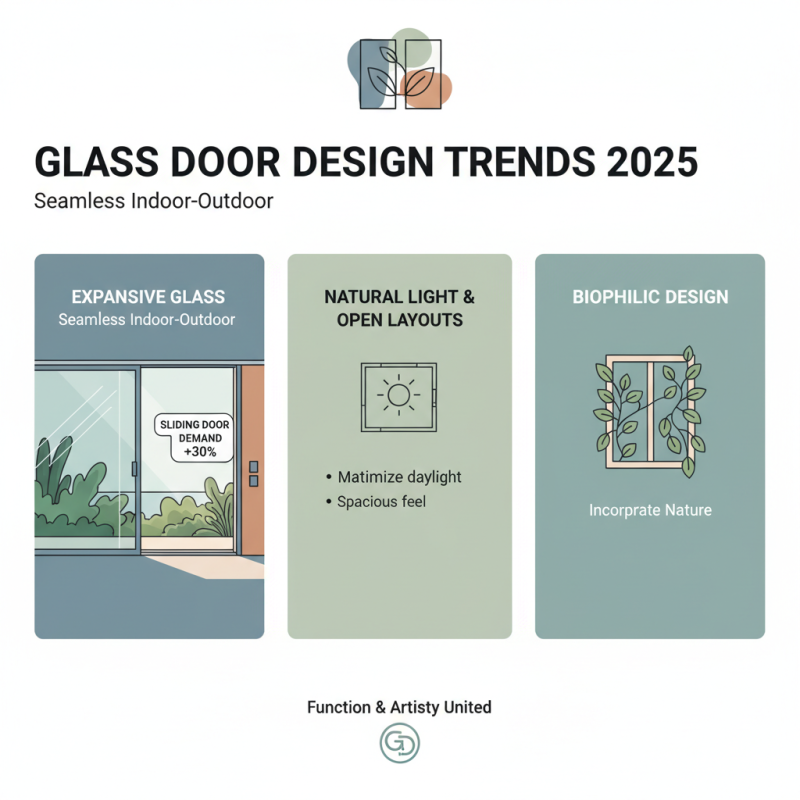
As we look ahead to 2025, the design of glass doors is being significantly influenced by emerging aesthetic trends that blend functionality with artistic expression. One notable trend is the move towards larger, expansive glass installations that create seamless transitions between indoor and outdoor spaces. According to a recent industry report, the demand for sliding glass doors has increased by over 30% in the past few years, reflecting a growing preference for designs that emphasize natural light and open layouts. This trend is aligned with the broader movement towards biophilic design, which encourages the incorporation of natural elements into modern architecture.
Another intriguing development is the rise of customized glass door designs that cater to individual tastes. Homeowners are increasingly seeking unique geometric patterns and textured glass options to add personality and flair to their interiors. Research indicates that custom glass solutions can enhance property value by up to 20%, as they allow for personalized aesthetics that resonate with contemporary design sensibilities. The interplay of artistic patterns and functional materials not only elevates the overall aesthetic of a home but also serves as a conversation starter, making glass doors a focal point in home design. This convergence of aesthetics and practicality is set to redefine the glass door landscape in the coming years.
Functional Enhancements for Glass Doors in Home Design
As we look towards 2025, the trend for glass doors in home design is increasingly focused on functionality, enhancing both aesthetics and usability. One of the most notable enhancements is the integration of smart technology. Homeowners are now expecting their glass doors to not only be visually appealing but also to come equipped with features such as automated locking systems and smart sensors. These functionalities not only provide added security but also allow for greater convenience, enabling users to control their entry points from their smartphones or home automation systems.
Another important trend is the adoption of energy-efficient glazing. With a growing emphasis on sustainability, homeowners are prioritizing glass doors that feature advanced thermal insulation properties. These doors help to maintain indoor temperature, reduce energy costs, and minimize environmental impact. Additionally, innovative designs such as triple glazing are becoming popular, providing improved durability and noise reduction. As homeowners seek ways to create a comfortable living space, incorporating these functional enhancements will be essential in achieving a modern, energy-efficient home.
Top Glass Doors Trends for 2025 That Will Transform Your Home Design
| Trend |
Description |
Functional Enhancements |
Expected Impact |
| Smart Glass Technology |
Glass that can change its transparency with a switch or app. |
Energy saving, privacy control |
Enhances comfort and reduces energy costs. |
| Biophilic Design |
Incorporating natural elements and views through larger glass doors. |
Improved indoor-outdoor flow |
Reduces stress and enhances well-being. |
| Reinforced Security Features |
High-strength glass and advanced locking mechanisms for better security. |
Enhanced safety |
Peace of mind for homeowners. |
| Sustainable Glass Solutions |
Use of recycled and eco-friendly materials in glass production. |
Lower carbon footprint |
Supports eco-conscious building practices. |
| Multi-Functional Glass Walls |
Glass walls that serve as partitions, offering flexibility in space design. |
Space optimization |
Maximizes usable space in homes. |