Top 10 Replacement Patio Doors for Energy Efficiency?

Choosing replacement patio doors for energy efficiency involves more than comparing glass styles or attractive frame colors. A well-performing door can reduce drafts, stabilize indoor temperatures, and make a bright living room more comfortable throughout the year. However, no single model suits every climate, wall opening, or household budget.

This guide examines ten replacement patio doors using practical performance factors. These include U-factor, solar heat gain coefficient, air leakage, frame design, glazing, and installation quality. NFRC labels can help verify performance claims, while ENERGY STAR guidance offers a useful starting point. Manufacturer documentation matters too. Independent testing is more dependable than vague marketing language.

In real homes, small details often matter. A poorly sealed threshold can let winter air enter beneath an excellent glass panel. An oversized opening may also require careful structural adjustment. Sliding doors save space, but hinged designs can provide tighter seals in some conditions. Low-E glass may reduce heat transfer, yet the best coating depends on sun exposure and climate.

No door is perfect.

We will compare energy ratings, weather resistance, maintenance needs, and long-term value. Expert installation will remain part of the discussion because product performance can decline after careless fitting. This is not a promise of identical savings for every home. Results depend on insulation, ventilation, local weather, and daily use. Some recommendations may deserve rechecking as technologies and testing standards change. That uncertainty is worth acknowledging.

Top 10 Replacement Patio Doors for Energy Efficiency?

What Makes a Patio Door Energy Efficient?

What Makes a Patio Door Energy Efficient?

An energy-efficient patio door manages heat, sunlight, air, and moisture. The U.S. Department of Energy reports that windows can cause 25–30% of a home’s heating and cooling energy use. Large glass doors can contribute significantly, especially when seals fail or frames conduct heat.

Look for a low U-factor. It indicates better resistance to heat transfer. A low solar heat gain coefficient, or SHGC, can reduce unwanted summer heat. However, the best value depends on your climate and window orientation.

The National Fenestration Rating Council label lists both measurements, along with visible transmittance and air leakage. A lower air-leakage rating usually means fewer drafts, but installation still matters. Even an excellent door can perform poorly when the sill is uneven or the flashing is incomplete.

Tips:

Check the full NFRC label, not only the product brochure. Choose insulated low-emissivity glass, thermally improved frames, and durable weatherstripping. Ask the installer to test the opening before fitting the replacement door. Watch the threshold during heavy rain. Small gaps become obvious then. ENERGY STAR guidance also shows that regional requirements differ, so a specification suitable for a cold climate may not suit a hot, sunny room. A low U-factor is not the whole story. Cost, daylight, ventilation, and installation quality still deserve honest review.

Key Features to Compare in Replacement Patio Doors

Top 10 Replacement Patio Doors for Energy Efficiency?

Key Features to Compare in Replacement Patio Doors

Energy-efficient patio doors begin with the glass package. Compare the U-factor, which measures heat transfer through the door. Lower numbers usually indicate better insulation. Check the solar heat gain coefficient too. A lower rating can reduce summer heat, while a higher rating may help colder rooms. Climate and window orientation matter more than many sales labels suggest.

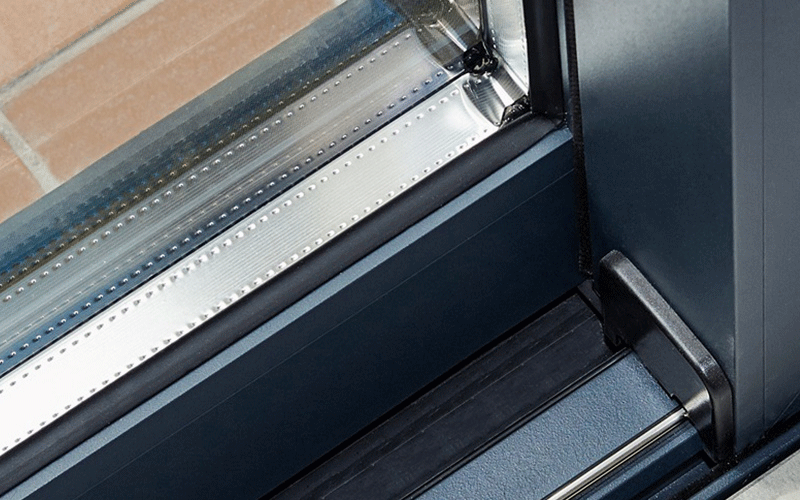
Look for double or triple glazing, warm-edge spacers, and low-emissivity coatings. These features can reduce cold glass surfaces and winter drafts. Frame materials also deserve attention. Insulated vinyl, fiberglass, and thermally improved metal frames perform differently. Ask for the whole-door energy rating, not only the center-glass rating. Small gaps around the frame can waste energy quickly. Air leakage ratings reveal this weakness.

The sliding track should move smoothly without forcing the panel. Poor operation may signal alignment or sealing problems. A multi-point lock can improve compression, but it cannot repair a weak installation. Request written details about flashing, shims, insulation, and water management. Installation quality often decides whether laboratory efficiency appears in a living room. That part is easy to underestimate.

Visible condensation is not always a product failure. Indoor humidity, ventilation, and local weather can contribute. I would compare warranty terms carefully, especially for glass seals and hardware. A cheaper door may fit the budget, yet require adjustments later. Energy performance is important, but daily comfort, maintenance, and honest installation evidence should share the decision.

Top 10 Replacement Patio Doors for Energy Efficiency? - Key Features to Compare in Replacement Patio Doors

Performance figures are typical ranges for comparable NFRC-rated door configurations. Actual results vary by product size, glass package, frame design, installation quality, and climate.
Rank Replacement Patio Door Configuration Frame & Operation Recommended Glazing Typical U-Factor
(Btu/h·ft²·°F)
Typical SHGC Air Leakage
(max. cfm/ft²)
Condensation
Resistance
Key Energy-Efficiency Features Best Climate or Use
1 Triple-Pane Vinyl Sliding Door Multi-chamber vinyl frame; horizontal slider Triple insulating glass with two low-e coatings and argon 0.18–0.25 0.20–0.35 ≤ 0.10 60–75 Insulated frame cavities, warm-edge spacer, compression seals, and thermally improved sill Cold climates and homes prioritizing maximum insulation
2 Triple-Pane Fiberglass Hinged Door Low-conductivity fiberglass frame; French or inswing operation Triple low-e insulating glass with argon fill 0.17–0.24 0.20–0.32 ≤ 0.10 65–80 Four-sided compression weatherstripping, insulated core, multi-point locking, and thermal break at the sill Very cold or windy regions where airtightness is important
3 Double-Pane Fiberglass Sliding Door Fiberglass frame; horizontal sliding panels Double low-e insulating glass with argon 0.25–0.31 0.25–0.40 ≤ 0.10 55–70 Stable frame material, insulated sill, interlocking meeting stile, and replaceable weather seals Mixed climates needing durability with low maintenance
4 Triple-Pane Wood-Clad Hinged Door Insulated wood interior with weather-resistant exterior cladding; hinged operation Triple low-e glass with argon and warm-edge spacer 0.20–0.27 0.22–0.38 ≤ 0.10 60–75 Insulated wood panel, compression seals, multi-point lock, and protected exterior frame Cold climates and traditional-style homes
5 Double-Pane Vinyl Hinged Door Insulated vinyl frame; French or inswing operation Double low-e glass with argon 0.24–0.30 0.25–0.40 ≤ 0.10 55–70 Compression weatherstripping, insulated panel, adjustable hinges, and multi-point locking Moderate climates and frequently used exterior openings
6 Double-Pane Vinyl Sliding Door Multi-chamber vinyl frame; horizontal slider Double low-e insulating glass with argon 0.26–0.32 0.25–0.42 ≤ 0.20 50–65 Insulated frame, interlocking panels, pile or compression seals, and adjustable rollers Cost-conscious replacement projects in mild or mixed climates
7 Thermally Broken Aluminum Hinged Door Powder-coated aluminum frame with polyamide thermal break; hinged operation Double low-e glass with argon 0.28–0.36 0.25–0.45 ≤ 0.10 45–65 Continuous thermal barrier, insulated glass pocket, compression seals, and multipoint hardware High-sun, coastal, or contemporary designs where narrow frames are desired
8 Double-Pane Wood-Clad Sliding Door Wood interior with exterior cladding; horizontal slider Double low-e insulating glass with argon 0.28–0.35 0.25–0.45 ≤ 0.20 45–65 Insulated wood panels, interlocking meeting stile, adjustable rollers, and replaceable seals Design-focused homes in moderate climates
9 Low-E Double-Pane Steel Hinged Door Insulated steel panel with metal frame; hinged operation Double low-e glass with argon 0.28–0.38 0.25–0.45 ≤ 0.10 40–60 Foam-insulated core, perimeter compression seals, adjustable threshold, and multipoint locking Secure, frequently used entries in mild to cold climates
10 Thermally Improved Aluminum Sliding Door Aluminum frame with thermal separators; horizontal slider Double low-e glass; argon recommended 0.30–0.40 0.25–0.50 ≤ 0.20 35–55 Thermal separators, insulated glass, interlocking panels, brush seals, and thermally improved sill Warm climates, large openings, and slim-frame architectural projects
Key comparison note: Lower U-factor generally indicates better insulation, while SHGC should be selected according to climate, orientation, shading, and desired solar heat gain. A properly flashed and air-sealed installation is essential for achieving the rated energy performance.

Top 10 Replacement Patio Doors for Energy Efficiency

Top 10 Replacement Patio Doors for Energy Efficiency

Choosing among the top 10 replacement patio doors for energy efficiency requires more than comparing appearance. Efficient choices include vinyl sliding, fiberglass sliding, thermally broken aluminum, wood-clad, hinged French, lift-and-slide, multi-slide, folding, tilt-and-slide, and center-hinged doors. Each design can perform well with insulated frames, low-emissivity glass, warm-edge spacers, and reliable weather seals. Check the U-factor, solar heat gain coefficient, and air-leakage rating before deciding. Lower U-factors usually indicate better insulation, while climate should guide solar-control choices.

Installation matters just as much as the door itself. A small gap under the sill can admit cold air, dust, and rain. During site inspections, I have seen excellent glass perform poorly because installers skipped careful shimming. The frame should sit square, the sill should drain correctly, and expanding foam should match the manufacturer’s instructions. A thermal bridge around metal framing can also reduce real-world performance. Sadly, product labels do not reveal every installation mistake.

Tips: Measure the rough opening twice. Inspect the wall for moisture before ordering. Choose triple glazing only when the structure and climate justify its cost. Test the lock, rollers, and seals in person. Ask for verified performance data, not vague claims. I once focused too heavily on glass ratings and overlooked patio orientation. That decision needed correcting. East- and west-facing doors may require different solar-control glass than shaded, north-facing openings.

How to Choose the Right Patio Door for Your Climate

Top 10 Replacement Patio Doors for Energy Efficiency?

Choosing a patio door starts with your climate, not a ranking list. The U.S. Department of Energy estimates that windows account for about 25–30% of residential heating and cooling energy use. Large glass patio doors can intensify this problem, especially when seals fail or frames conduct heat. Climate changes everything.

In hot regions, select a low U-factor and low solar heat gain coefficient (SHGC). Low SHGC glass limits strong afternoon sun, especially on west-facing doors. In cold regions, prioritize a low U-factor, while a moderate SHGC can allow useful winter sunlight. The National Fenestration Rating Council explains these ratings on certified product labels. Check the label.

Frame material also matters. Insulated vinyl, fiberglass, and thermally improved metal frames can reduce heat transfer, but installation quality remains critical. The ENERGY STAR program evaluates climate-specific performance requirements, so a door suitable for a northern zone may perform poorly in a humid, sunny region. Ask for verified U-factor, SHGC, air-leakage, and condensation data. Measure twice. I once focused too heavily on glass performance and overlooked the sill drainage design. That mistake reminded me that energy efficiency is not only a laboratory number. A poorly sealed threshold can admit drafts, rain, and unwanted humidity. Your local exposure, shading, and installer experience deserve equal attention.

Installation, Maintenance, and Long-Term Energy Savings

Choosing among the top 10 replacement patio doors for energy efficiency requires more than comparing glass styles. Look for low U-factor ratings, suitable solar heat gain control, insulated frames, and tested air-leakage performance. A qualified installer should measure the opening at several points. Walls often shift slightly over time. Measure twice.

Installation quality can decide whether an efficient door performs well. The installer should inspect the sill for moisture damage, repair uneven framing, and create a continuous weather barrier. Expanding foam must be used carefully around the frame. Too much pressure can distort the door and cause difficult operation. After installation, check the lock, rollers, seals, and drainage paths. Small gaps matter.

Maintenance protects long-term energy savings. Vacuum the track, clean weep holes, and inspect weatherstripping each season. A thin layer of suitable lubricant can keep rollers moving smoothly. Condensation between glass panes signals a failed seal, not ordinary dirt. Replace damaged seals promptly. During winter, close curtains at night, but allow sunlight inside on bright days when practical. Energy savings vary with climate, home orientation, glass area, and heating habits. My own inspection experience suggests that a modestly priced door with careful installation can outperform a more advanced door installed carelessly. That is easy to overlook. Annual professional checks may reveal frame movement or seal failure before drafts become obvious.