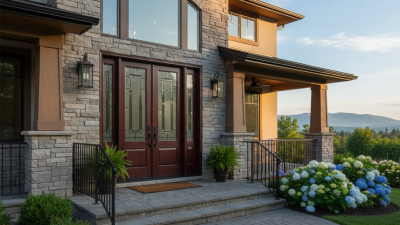
2025 How to Choose the Perfect House Doors for Your Home
When it comes to enhancing the aesthetic appeal and functionality of a home, the choice of house doors is fundamental. According to a report by the National Association of Realtors, exterior doors, including front entries and patio doors, can yield an impressive return on investment, typically between 70% and 100%, depending on the type and style. This statistic not only underscores the importance of selecting the right doors but also points to their role in boosting a home's value, security, and energy efficiency.
As homeowners strive to create inviting spaces, the significance of choosing the perfect house doors cannot be overstated. Factors such as material, style, and insulation properties are critical, as they contribute to a home’s overall aesthetics and performance. The market for residential doors is expected to grow, driven by trends in home renovations and increased consumer awareness regarding energy efficiency and security features. Thus, understanding the various aspects of house doors is essential for making informed decisions that enhance both the beauty and functionality of your abode.
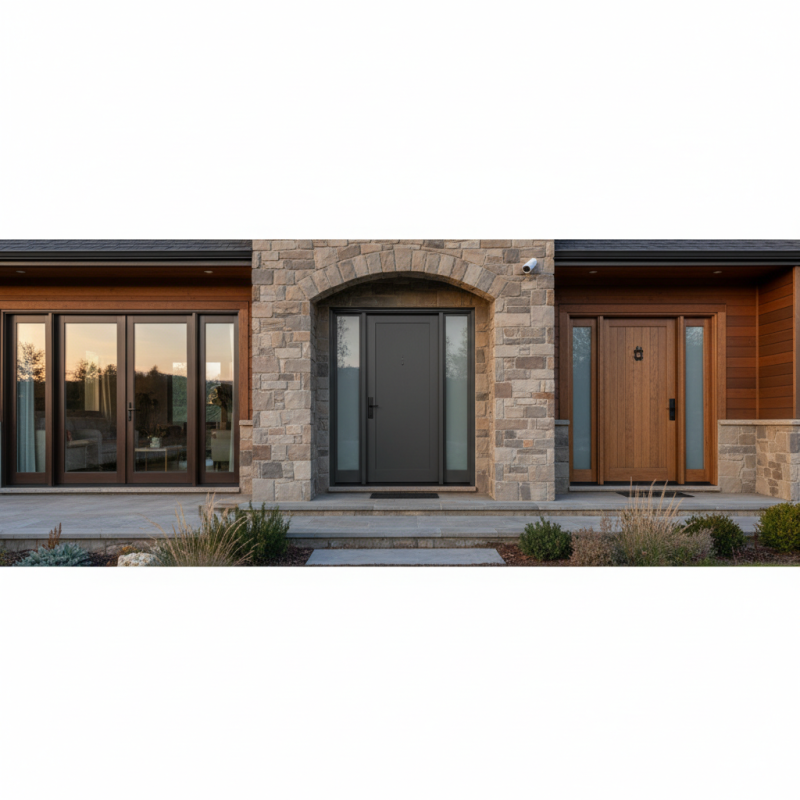
Understanding Different Types of House Doors and Their Features
When selecting the perfect house doors for your home, it's essential to understand the various types available and their unique features.
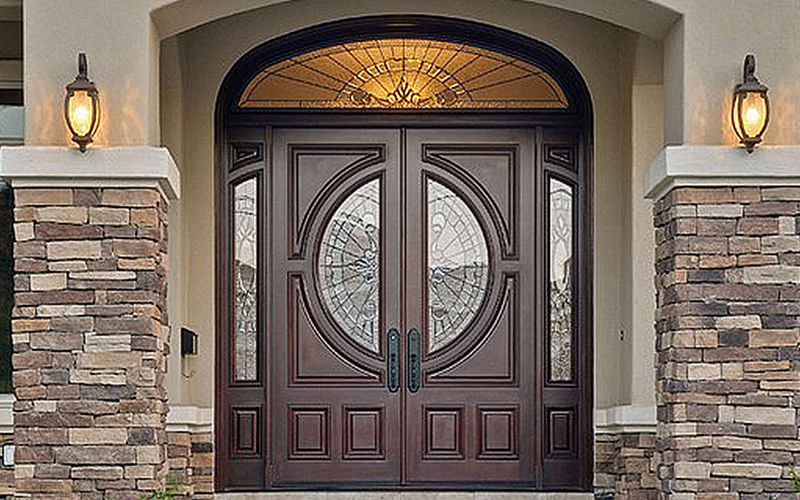
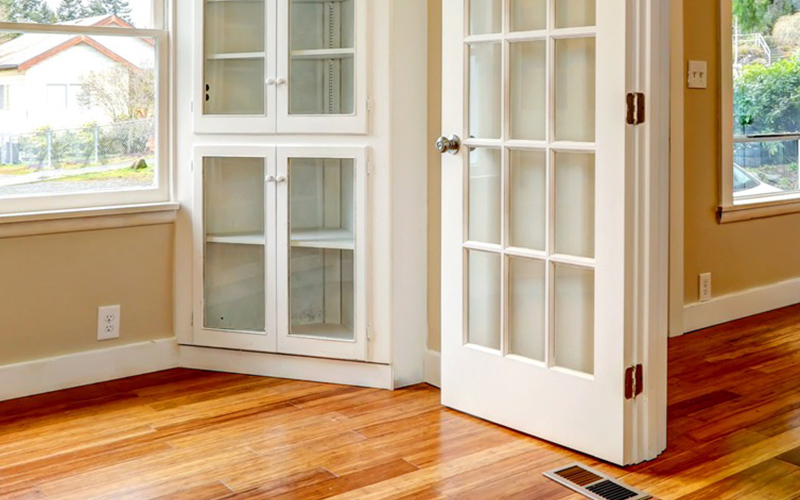
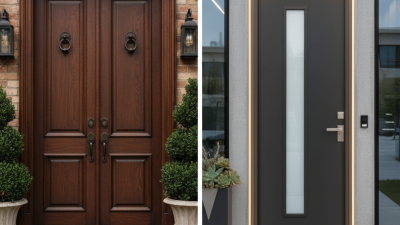
One of the most common types is the hinged door, which swings open and closed on hinges. These doors come in a variety of materials, including wood, fiberglass, and steel, allowing homeowners to choose one that suits their aesthetic and functional needs. Hinged doors are versatile and can be used for entry, patio, or interior spaces, making them a popular choice.
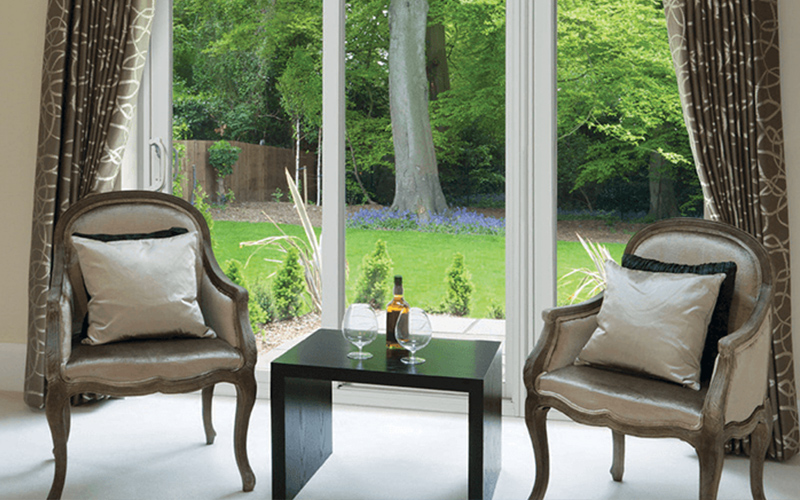
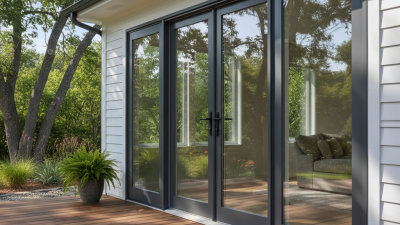
Another option is sliding doors, which are ideal for areas with limited space. These doors glide along a track, providing a seamless transition between indoor and outdoor spaces. Sliding doors are often made of large panels of glass, allowing for ample natural light and unobstructed views while also enhancing the feeling of openness in a room.
Additionally, bifold doors are gaining popularity for their ability to open up entire walls to the outdoors, creating a dramatic effect and fostering a connection with nature. Each type of door offers distinct characteristics and benefits, so understanding these variations is crucial in making an informed decision that complements your home’s design and functionality.
Factors to Consider When Choosing House Doors: Material, Style, and Security
When selecting the perfect house doors, three key factors should be prioritized: material, style, and security.
The material of the door plays a crucial role not only in its aesthetic appeal but also in its longevity and durability. Common materials for house doors include wood, fiberglass, and steel.
Wooden doors offer classic beauty and natural insulation, while fiberglass doors can mimic wood's appearance with added resistance to the elements. Steel doors, on the other hand, provide robustness and excellent security, making them a great choice for exterior applications.
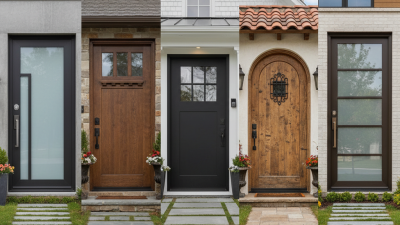
Style is another vital consideration, as the door sets the tone for the entire home. Whether you prefer a traditional, modern, or rustic look, the door's design should complement the architectural style of your house.
Factors such as color, panel configuration, and decorative elements can enhance curb appeal and reflect personal taste. It's essential to choose a door that harmonizes with your home's overall design while also considering how it will be viewed from the street.
Finally, security cannot be overlooked when choosing house doors. A door is often the first line of defense against intruders, so choosing one with robust locking mechanisms, sturdy construction, and impact-resistant materials is crucial.
Look for doors that meet or exceed industry safety standards to ensure that your home remains secure. By carefully considering material, style, and security, you can select the perfect doors that enhance both the beauty and safety of your home.
Measuring Door Dimensions: A Step-by-Step Guide for Homeowners
When selecting the perfect doors for your home, accurate measurements are crucial. The first step in this process is to assess your existing doorways. A report from the National Association of Home Builders (NAHB) indicates that proper door sizing impacts not only aesthetics but also energy efficiency. Standard pre-hung doors are typically 80 inches tall and can vary in width from 24 to 36 inches, making it essential for homeowners to measure their doorways accurately before making a purchase.
To measure door dimensions, homeowners should follow a straightforward approach. Begin by measuring the width of the door frame at the top, middle, and bottom, and take the smallest of these measurements to ensure a proper fit. Next, measure the height from the floor to the top of the frame. It's also wise to consider the thickness of the door, which generally ranges from 1 ⅜ to 1 ¾ inches for residential applications. According to the American Door & Hardware Association (ADHA), selecting doors that fit well not only enhances the home's visual appeal but can improve insulation and reduce energy costs by up to 15%, as improper fitting may lead to drafts and temperature fluctuations.
Choosing the Perfect House Doors: Common Material Preferences
Matching House Doors with Your Home’s Architectural Style
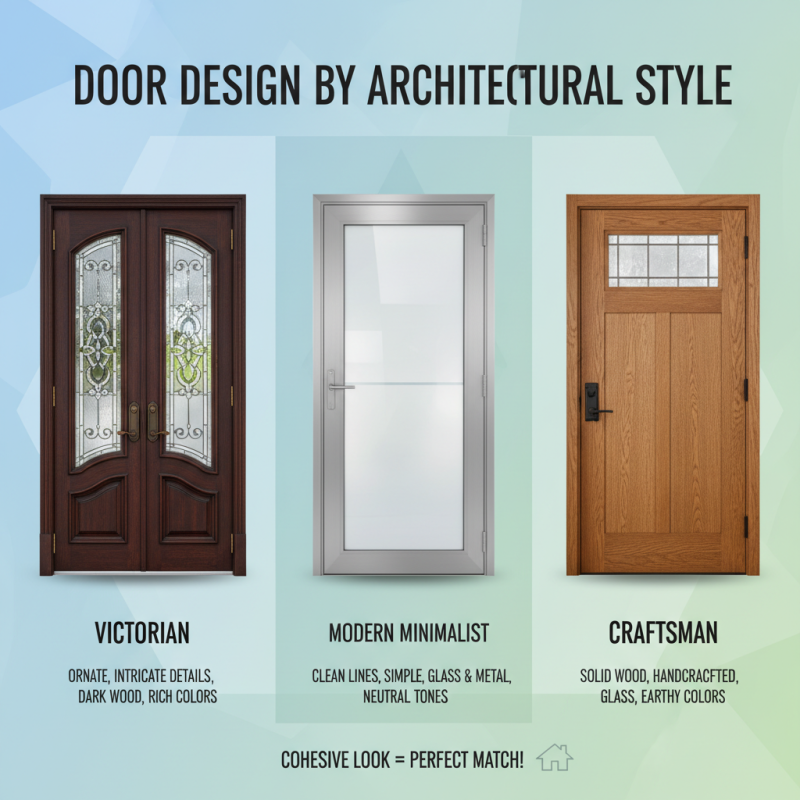
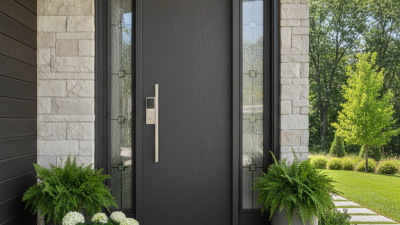
When selecting house doors, aligning them with your home’s architectural style is essential for creating a cohesive look. Different architectural styles require distinct door designs to enhance the overall aesthetic. For instance, a classic Victorian home benefits from ornate doors with intricate details, while a minimalist modern home calls for sleek, simple lines. It's crucial to consider the proportions, materials, and colors of your doors to ensure they complement the surrounding architecture.
**Tips:** Always take into account the scale of your home when choosing doors. Larger homes can accommodate grand entry doors, while smaller structures benefit from proportionate designs that do not overwhelm the facade. Furthermore, pay close attention to the material; wooden doors can evoke warmth and tradition, while glass doors offer a contemporary touch and can enhance natural light in a space.
Another important aspect is the finish and color of the doors. Traditional homes often use muted, earthy tones that blend with natural surroundings, whereas modern homes might embrace bold, striking colors to create a statement. Ensure that your door choices align with your home's overall color palette to maintain harmony throughout your property's exterior.
Energy Efficiency in Doors: How to Choose for Optimal Performance
When selecting house doors, energy efficiency should be a top priority to ensure optimal performance and sustainability. Energy-efficient doors minimize heat transfer, helping to maintain a comfortable temperature inside your home while reducing energy bills. Look for doors that come with high energy ratings, indicating their effectiveness in keeping heat in during winter and out during summer.
Materials like fiberglass and insulated steel are known for their excellent energy performance.
Tips for choosing the right door include checking the door's weather stripping. Quality weather seals prevent drafts, which is crucial for maintaining an energy-efficient home. Additionally, consider the door’s thermal performance rating, often displayed through U-values; the lower the U-value, the better the door's insulation. Another essential aspect is the glass type in doors that include windows.
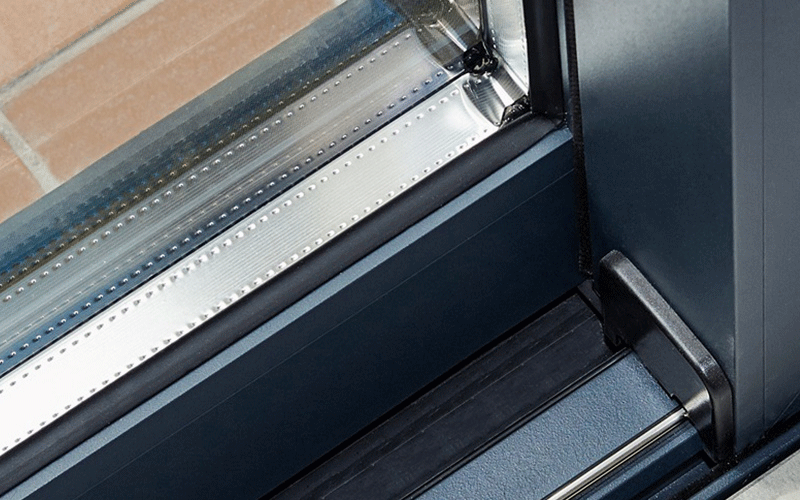
Double or triple-pane glass with low-emissivity (low-E) coatings can significantly enhance energy efficiency by reflecting heat back into the home.
Finally, pay attention to the door's design and how it complements your home’s aesthetic while ensuring functionality. A well-made door not only serves as a barrier against the elements but also adds character to your home. Ensure that you are selecting options that fit both your aesthetic requirements and your commitment to energy efficiency.