What Is a Gas Generator and How Does It Work?
A Gas Generator converts fuel into usable electrical power when the grid becomes unavailable. It can support homes, workshops, construction sites, farms, and emergency systems. Unlike a battery, it continues producing electricity while fuel and maintenance remain available. That difference makes it useful, but not automatically safe or efficient.
Inside the generator, an engine burns gasoline, diesel, natural gas, or another approved fuel. The engine turns a shaft connected to an alternator. The alternator then creates electrical energy through electromagnetic induction. A control panel regulates output and displays essential information, such as voltage, frequency, and running hours. You may hear a steady engine hum, feel warm air near the exhaust, and notice vibration through the frame.
The basic process sounds simple. Real operation requires careful attention. Fuel quality, ventilation, grounding, load size, and oil levels can affect performance. Carbon monoxide is invisible and deadly, so a generator must operate outdoors, far from doors, windows, and air intakes. Never connect a portable unit directly to household wiring without approved transfer equipment and qualified installation. A small misunderstanding can damage appliances or create a serious hazard.
This guide explains the main components, operating cycle, generator types, fuel choices, and practical maintenance needs. It also considers efficiency and noise, which are often overlooked during purchase decisions. Specifications differ between models. Therefore, the owner’s manual remains the most reliable source for rated capacity, service intervals, and safe operating procedures. A generator may start easily. Keeping it dependable takes more thought.
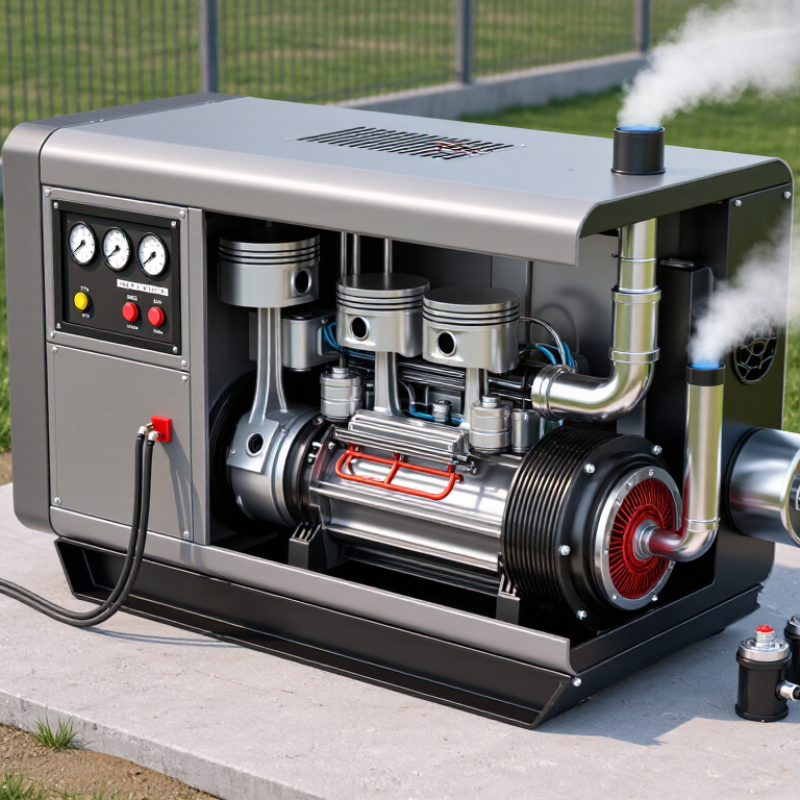
What a Gas Generator Is and the Energy It Produces
A gas generator converts fuel energy into usable electricity through controlled combustion. It may run on gasoline, natural gas, or another approved gaseous fuel. Inside the engine, fuel burns in a cylinder and pushes a piston downward. That movement turns a crankshaft, creating mechanical power.
The crankshaft drives an alternator. The alternator uses magnetic fields and copper windings to produce electrical current. A portable unit might deliver 2,000 watts, enough for a refrigerator, several lights, and a small fan. However, motors often require extra power when starting. A generator rated for 2,000 watts may struggle with a refrigerator rated near 700 watts.
Its output is measured in watts or kilowatts, while voltage and frequency describe electrical quality. A control system helps keep these values stable as the load changes. Fuel efficiency depends on engine size, maintenance, temperature, and demand. Running a large generator with one small lamp wastes fuel and increases noise.
In practical use, I would check the nameplate before connecting equipment. I would also inspect the oil level, fuel line, ventilation, and grounding instructions. Never operate a combustion generator in an enclosed space. Carbon monoxide can build up without a noticeable smell. The process sounds simple, but real performance is less perfect. Dust, worn parts, and poor fuel can reduce output. That detail is easy to overlook.
How Fuel Is Converted Into Electrical Power
What Is a Gas Generator and How Does It Work?
A gas generator converts fuel into electricity through controlled energy changes. Fuel enters the engine and mixes with air. A spark ignites the mixture inside the cylinder. Expanding gases push the piston downward. The crankshaft then turns at high speed.
This rotation drives an alternator. Inside it, a magnetic field moves around copper windings. That movement creates an electrical current through electromagnetic induction. The generator’s voltage regulator adjusts output as appliances switch on or off. The process sounds simple, but energy losses occur through heat, friction, exhaust, and sound.
The Energy Institute Statistical Review of World Energy 2024 reported that fossil fuels produced about 60% of global electricity in 2023. In the United States, the Energy Information Administration reported that natural gas generated roughly 43% of utility-scale electricity in 2023. These figures show how widely combustion-based power conversion remains used.
Tips: Match the generator’s rated output to the real load. Oversizing may waste fuel, while undersizing can overheat the engine. Keep filters clean and allow proper airflow. A cold start usually consumes more fuel. Poor loading also reduces efficiency. Field inspections often reveal the overlooked detail: a generator may run smoothly while delivering less power than expected. Fuel quality, altitude, ambient temperature, and maintenance all matter. A rating label looks exact, yet site conditions can change performance.
Common Types and Applications of Gas Generators
What Is a Gas Generator and How Does It Work?
Common Types and Applications of Gas Generators
A gas generator converts fuel energy into electricity through controlled combustion. Natural gas or biogas powers an engine, which turns an alternator. The alternator then produces usable electrical current. This process is familiar to facility engineers, but fuel quality and maintenance still affect real-world performance.
Portable gas generators suit construction sites, outdoor events, and temporary power needs. Standby generators start automatically during grid failures. Prime-power units operate for longer periods in remote facilities, farms, and microgrids. Combined heat and power systems use engine heat for water or space heating. That improves total fuel utilization. However, efficiency claims can look better on paper than they perform in dusty or poorly ventilated locations.
Applications are expanding around hospitals, data centers, factories, and telecommunications sites. The International Energy Agency reported that data centers used about 460 terawatt-hours of electricity globally in 2022. It projects demand could exceed 1,000 terawatt-hours by 2026, increasing interest in reliable backup systems.
In the United States, the Energy Information Administration reported that natural gas produced about 43% of utility-scale electricity in 2023. Biogas generators can also serve wastewater plants and farms, where methane would otherwise require treatment. Yet emissions, noise, fuel interruptions, and local air-quality rules must be assessed before installation.
One overlooked detail matters: a generator is only dependable when testing, load management, and servicing happen consistently.
Fuel Use, Maintenance, and Operating Safety
What Is a Gas Generator and How Does It Work?
A gas generator burns fuel in an internal-combustion engine. The engine turns an alternator, which produces electrical power. Fuel consumption depends on load, engine size, and fuel type. A lightly loaded unit usually consumes less fuel than one running near its rated capacity. The U.S. Energy Information Administration reports that natural gas contains about 1,036 Btu per cubic foot on average. Actual performance still varies with pressure, temperature, and equipment condition.
Maintenance controls both cost and reliability. Check the oil level before every extended use. Inspect fuel lines, air filters, spark plugs, and battery terminals regularly. Dirty filters can increase fuel use and reduce output. The U.S. Department of Energy recommends following the service schedule in the operating manual. I have found that skipped inspections are easy to justify, until a generator refuses to start. That assumption is risky.
Operating safety requires fresh air and careful placement. The U.S. Consumer Product Safety Commission reported an average of 96 annual non-fire carbon monoxide deaths linked to portable generators from 2019 through 2021. Keep the unit outdoors, at least 20 feet from buildings, doors, windows, and vents. Never place it in a garage or enclosed shelter. Use a carbon monoxide alarm nearby, but do not treat it as permission for poor ventilation. Fuel should cool before refilling. Spilled gasoline can ignite on hot engine parts. Small oversights matter.
What Is a Gas Generator and How Does It Work?
A gas generator uses a gasoline engine to spin an alternator, converting chemical energy in fuel into electrical power. Regular service helps maintain reliable output and reduces operating risks.
The chart shows typical maintenance intervals for portable gasoline generators. Check the specific operating manual because intervals can change with load, dust, temperature, fuel quality, and engine design. Always shut down the generator, disconnect loads, and allow the engine to cool before servicing. Operate it outdoors to prevent carbon monoxide buildup.