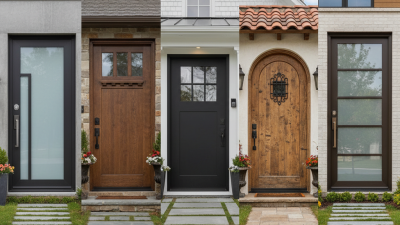
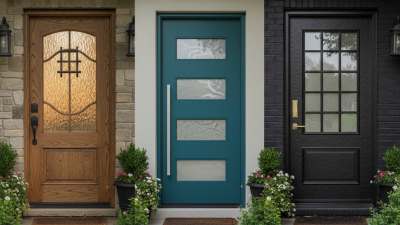
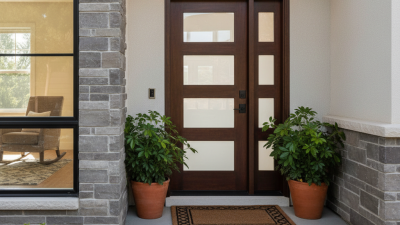
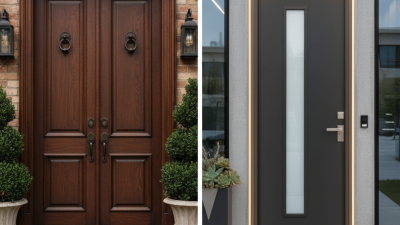
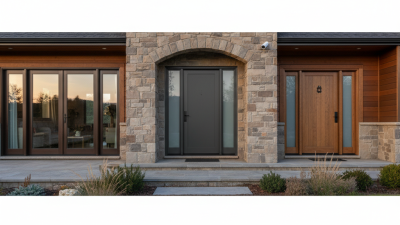
Why Are Exterior Doors Important for Your Home Security and Aesthetics?
Exterior doors serve as the first line of defense for your home. They protect not only your belongings but also your loved ones. A strong and secure door can deter potential intruders. Additionally, exterior doors are essential for aesthetics. They create the first impression of your home. A well-chosen door can enhance curb appeal and elevate your property's overall look.
Choosing the right exterior doors involves more than just style. Consider the material and security features. Solid wood, fiberglass, and steel doors have unique benefits. Each option offers different levels of durability and security. It's important to find a balance between looks and function. Often, homeowners overlook this aspect, leading to regret later.
Inadequate security measures can compromise your safety. Poorly constructed doors or low-quality locks may not withstand an attempted break-in. Reflecting on current door choices can expose weaknesses. Investing in high-quality exterior doors is crucial. Aesthetic appeal and security should never be an afterthought. Take the time to evaluate your options carefully.
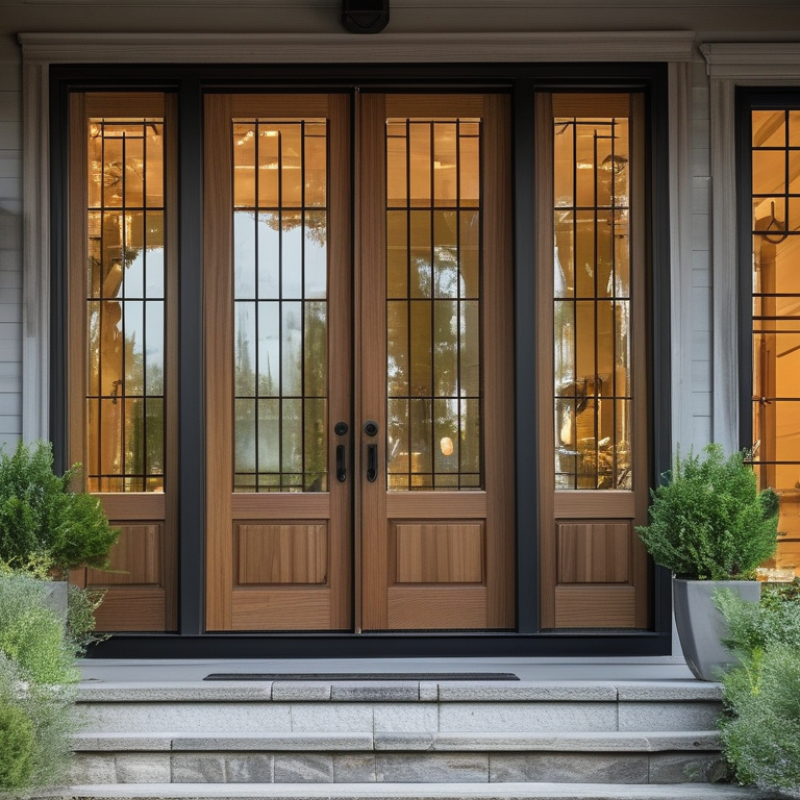
The Role of Exterior Doors in Home Security
Exterior doors play a crucial role in home security. They are the first line of defense against intruders. A sturdy door can deter potential break-ins. Many homeowners underestimate the significance of materials and construction quality. A hollow-core door offers minimal protection compared to a solid-core option.
Locks are equally important for security. High-quality deadbolts add an extra layer of defense. However, many people fail to check their locks regularly. A worn-out lock can become a vulnerability. Simple maintenance tasks can significantly improve security. This includes lubricating locks and checking for wear and tear.
Aesthetic appeal matters too. The right exterior door enhances curb appeal. A beautiful door can welcome guests warmly. Yet, some may overlook this detail in favor of functionality. An uninviting entrance can affect the overall look of a home. Balancing aesthetics and security is key for homeowners. It's essential to reflect on these aspects for a safer, more attractive home.
Why Are Exterior Doors Important for Your Home Security and Aesthetics?
| Dimension |
Importance |
Impact on Aesthetics |
| Material |
Determines durability and resistance to break-ins. |
A variety of materials can enhance curb appeal. |
| Locking Mechanism |
Critical for ensuring security against intruders. |
High-quality locks can complement the door's design. |
| Style |
Reflects the homeowner's taste and increases perceived value. |
Aesthetic style can unify home exterior design. |
| Energy Efficiency |
Plays a role in reducing energy costs and maintaining comfort. |
Can improve overall look of the property with proper installation. |
| Installation |
Professional installation ensures proper fit and function. |
A well-installed door enhances the aesthetic flow of the entryway. |
Types of Exterior Doors and Their Security Features
Exterior doors play a crucial role in your home’s security and aesthetics. Understanding the different types of exterior doors can help you make informed decisions.
Steel doors, for example, offer robust security. According to industry data, homes without steel doors are up to 50% more likely to experience break-ins. Their strength and durability can deter burglars effectively.
Wooden doors can add charm to your home’s exterior. However, they may lack the same level of security as steel options. A study by the National Association of Home Builders shows that solid wood doors provide moderate security, yet they can be vulnerable to wear and tear. Investing in a steel-reinforced wooden door can offer a balance between beauty and security.
When choosing an exterior door, consider the locking mechanism. Deadbolts provide better protection than standard locks. Tip: Choose a door with a multi-point locking system. It enhances security by locking at multiple points. Regularly check the door for wear. Look for signs of damage that may compromise safety. A well-maintained door is your first line of defense.
Aesthetic Considerations When Choosing Exterior Doors
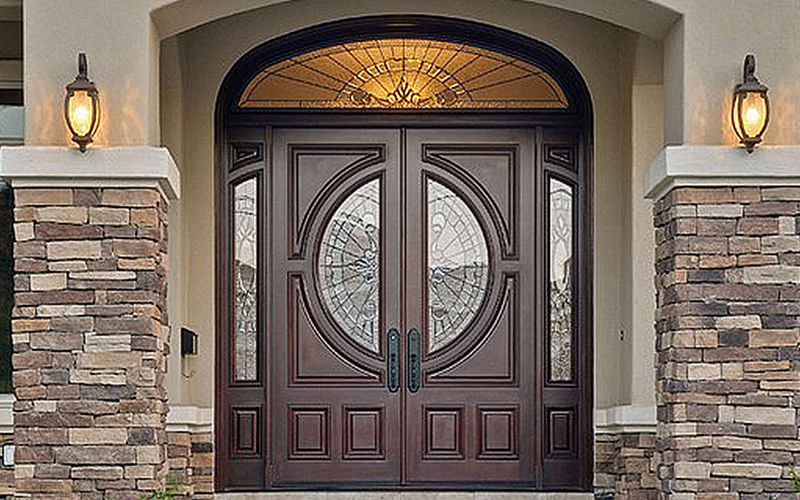
When choosing exterior doors, aesthetics play a crucial role. The entrance to your home sets the tone for the entire property. A well-designed door can enhance curb appeal while providing security. Consider materials and style. Wood doors offer warmth, while fiberglass can mimic wood and resist dents.
Color is another key aspect. A bold color might express personality, while neutral tones can blend well with any exterior. Adding decorative elements like glass panels or intricate designs can make your door a focal point. However, tread carefully. Overly ornate designs may clash with simpler architecture.
Remember that a door doesn’t just function as an entryway; it influences first impressions. An inviting door draws attention, while a neglected one may deter visitors. It reflects your home's character and your personal style. Minimalism can convey elegance, but there’s a risk of being too bland. Balance is essential. Beauty and practicality should coexist, enhancing both your home’s security and its visual appeal.
How Exterior Doors Impact Energy Efficiency and Safety
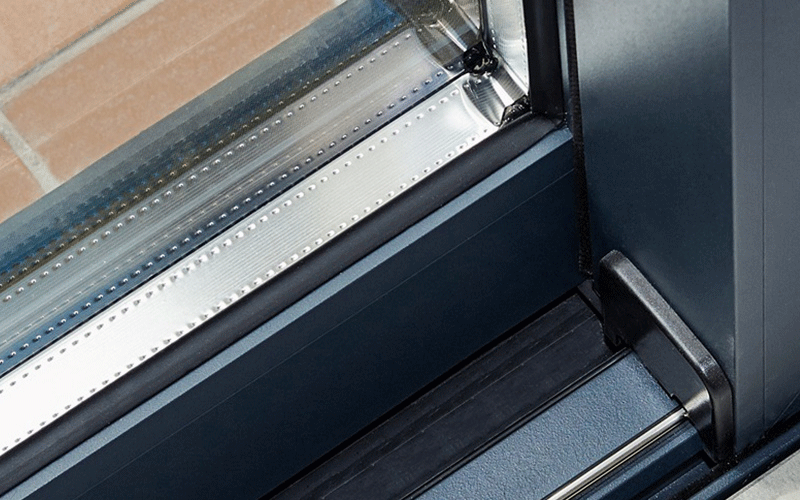
Exterior doors play a crucial role in energy efficiency and safety. They are often the first barrier against outside elements. A well-insulated door can significantly reduce energy loss. This means lower heating and cooling costs. A door that fits properly prevents drafts. Small gaps can lead to increased energy bills. Investing in high-quality insulation can pay off in the long run.
Safety is another important aspect. Strong exterior doors deter intruders. A solid core door offers better protection than a hollow one. It’s essential to choose durable materials, ensuring your door withstands impact. Many homeowners overlook the importance of locks. Quality locks enhance overall security.
Sometimes, aesthetic choices can overshadow practicality. A beautiful door is inviting but should not sacrifice security. If your door looks good but is flimsy, it may need reconsideration. Reflecting on these choices can lead to better decisions for home safety and comfort.
Maintenance Tips for Enhancing Door Durability and Appearance
When it comes to maintaining exterior doors, a proactive approach pays off. Research indicates that about 34% of home break-ins occur through the front door. Regular maintenance can enhance both security and longevity. Start with routine inspections. Check for warping, cracks, or signs of rot. Address problems early to prevent costly replacements.
Applying a quality sealant can dramatically improve durability. The U.S. Department of Energy notes that a well-sealed door can reduce energy costs by up to 15%. Regularly replacing weather stripping is also essential. It helps keep drafts at bay and improves your home’s overall energy efficiency.
Aesthetic matters as well. A fresh coat of paint or stylish hardware can elevate your home's curb appeal. Consider the color scheme carefully—darker doors can absorb heat but may fade over time. Remember, each decision reflects your style and impacts your home's value. An overlooked door could send the wrong message about how you care for your home.