10 Essential Tips for Choosing the Best Patio Doors for Your Home?
Choosing the right patio doors is essential for enhancing your home's aesthetic and functional value. According to the National Association of Home Builders, installing new patio doors can offer a return on investment of over 70%. These doors not only provide access to outdoor spaces but also significantly influence energy efficiency and natural light in your home.
When selecting patio doors, consider factors like material, style, and energy ratings. A well-chosen set can improve your home's curb appeal while saving on energy bills. However, not all options are created equal. For instance, a fiberglass door might be ideal for energy efficiency but may lack the charm of wood finishes. Understanding these nuances is vital.
Moreover, it’s important to recognize that the installation process can be complex. Many homeowners overlook the importance of professional installation. Misalignment or improper sealing can lead to drafts and water intrusion issues, affecting long-term performance. Taking time to weigh these aspects will ensure you make an informed choice for your home.
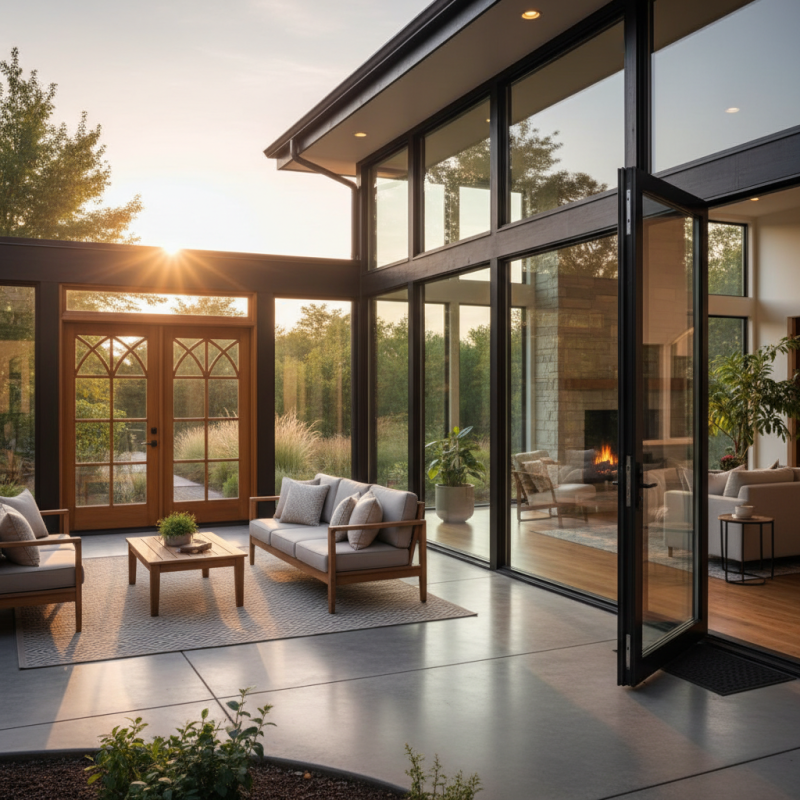
Factors to Consider When Selecting Patio Doors for Your Home
Choosing the right patio doors for your home involves several key factors. First, think about material. Common options include wood, fiberglass, and vinyl. Each has its pros and cons. Wooden doors offer warmth, but they may require more maintenance. Fiberglass is durable and energy-efficient, while vinyl is low-maintenance and affordable.
Next, consider size and style. Measure your space carefully. A door that’s too large or small can feel awkward. Styles range from sliding to French doors, each providing a different aesthetic. Think about how these doors will harmonize with your home’s design. Lighting is another critical factor. Large glass panels can enhance natural light, but they may lead to higher energy costs. Reflect on your climate. Energy-efficient doors can save money in the long run, but they might be more expensive upfront.
Security should not be neglected. Ensure the door has reliable locks and strong materials. If you live in a high-crime area, consider additional security features. Some doors even offer smart technology options. It’s wise to visit local showrooms to see options firsthand. Test how easily the doors open and close. This simple action can reveal a lot about their quality. A well-informed choice can enhance your home’s beauty and functionality significantly.
Factors to Consider When Selecting Patio Doors for Your Home
Types of Patio Doors: Sliding, French, and Folding Options Explained
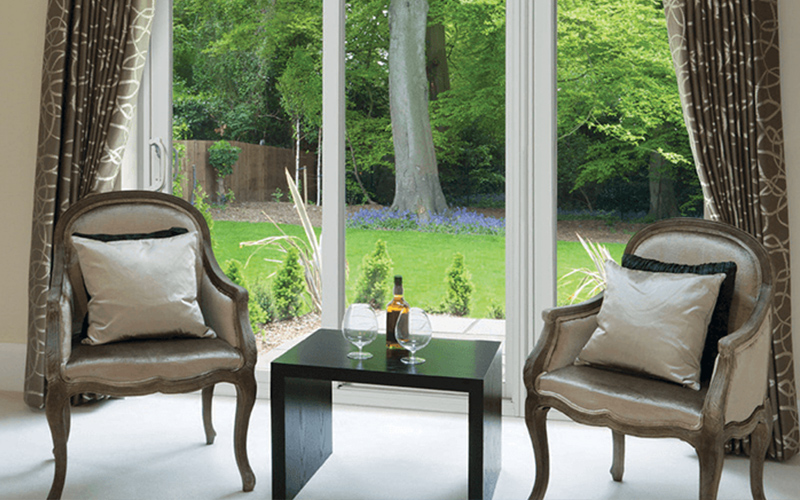
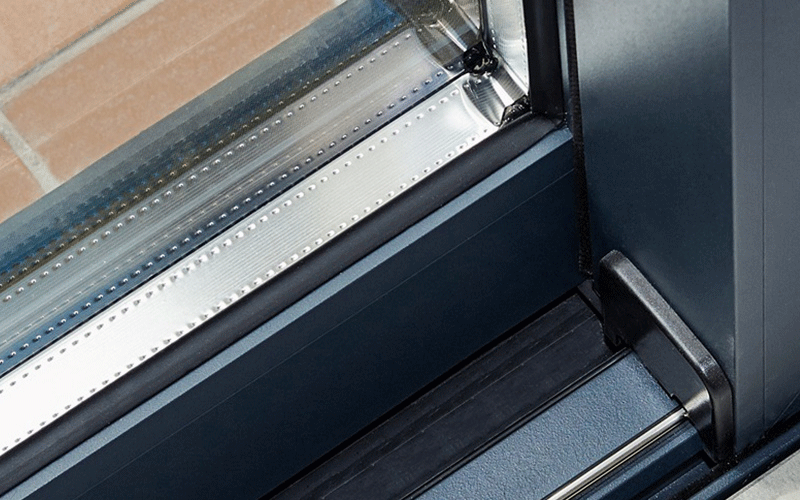
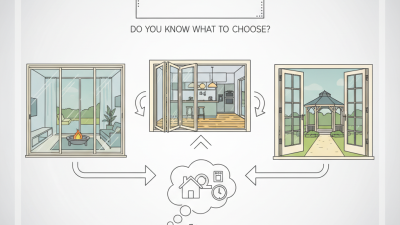
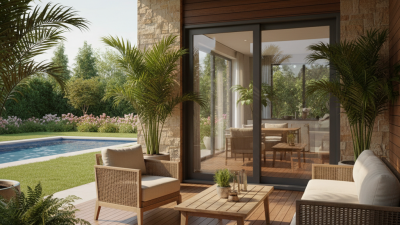
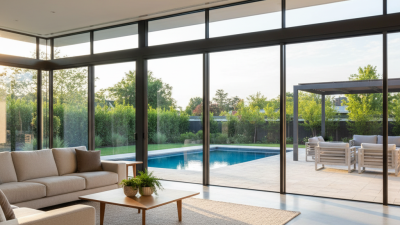
When choosing patio doors, it's essential to understand the different types available. Sliding doors are popular for their space-saving design. They glide open, offering a seamless transition between indoor and outdoor spaces. These doors often come with large glass panels, which can brighten up a room and provide stunning views. However, they may require regular maintenance to ensure smooth operation.
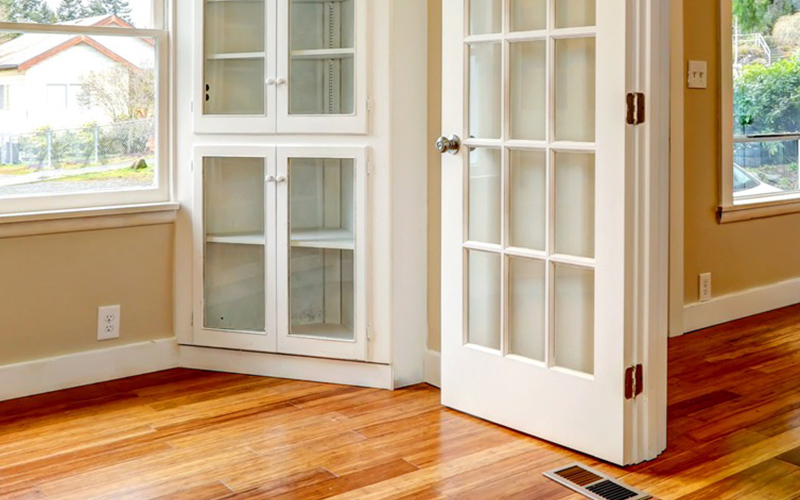
French doors, on the other hand, offer a classic aesthetic. They open outward or inward, creating a grand entrance to your patio. The charm of French doors lies in their ability to add a touch of elegance to any home. Yet, they require adequate space to swing open fully. Consider your room layout and furniture placement before making a decision.
Folding patio doors are versatile and increasingly popular. They consist of multiple panels that fold back to create an expansive opening. This style is ideal for larger areas and enhances outdoor living experiences. However, the installation can be more complex, and they might require more upkeep. Weighing these options thoughtfully will help ensure you choose the ideal patio door for your needs.
10 Essential Tips for Choosing the Best Patio Doors for Your Home
| Tip |
Description |
Type of Patio Door |
Energy Efficiency Rating |
| 1. Assess Space |
Determine the space available for installation to ensure the right fit. |
All Types |
N/A |
| 2. Choose Door Style |
Select between sliding, French, or folding doors based on aesthetic preference. |
Sliding, French, Folding |
High |
| 3. Material Matters |
Consider materials like vinyl, wood, or fiberglass for durability and maintenance. |
All Types |
Medium to High |
| 4. Prioritize Security |
Look for doors with multi-point locking systems for enhanced security. |
All Types |
N/A |
| 5. Energy Efficiency |
Opt for doors with Low-E glass for better insulation. |
Sliding, French |
High |
| 6. Accessibility |
Ensure the door can be easily opened, especially for elderly or disabled individuals. |
Sliding, Folding |
N/A |
| 7. Budget Considerations |
Set a budget and explore options within that range. |
All Types |
N/A |
| 8. Maintenance Needs |
Different materials come with varying maintenance requirements. |
Wood, Vinyl |
Medium |
| 9. Installation Method |
Consider whether a professional or DIY installation is needed. |
All Types |
N/A |
| 10. Test Operation |
Before purchase, ensure the door operates smoothly. |
All Types |
N/A |
Materials Used in Patio Doors: Wood, Vinyl, and Aluminum Comparisons
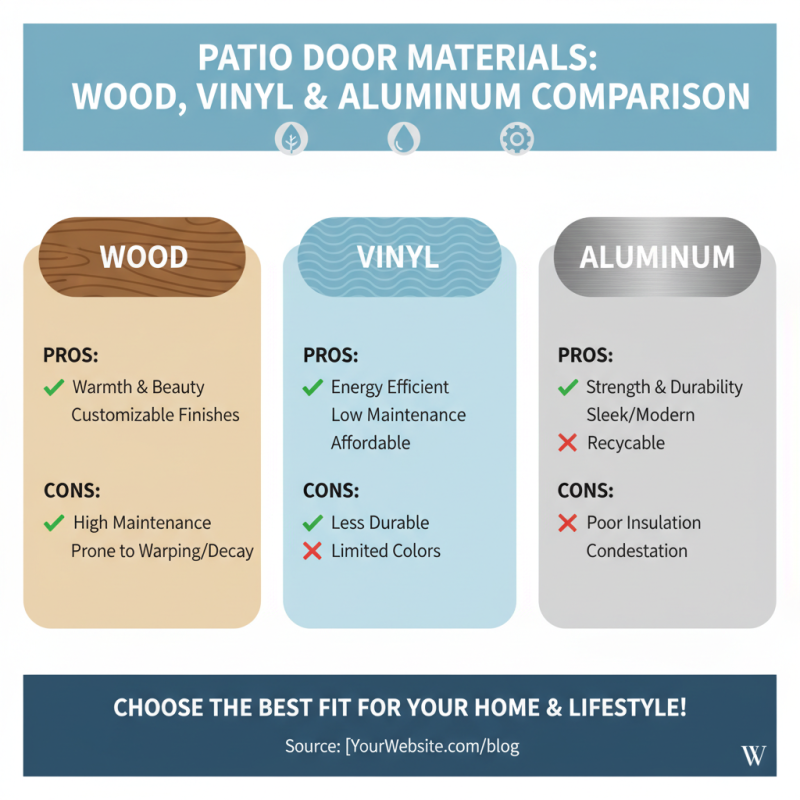
When choosing patio doors, consider the materials: wood, vinyl, and aluminum. Each has its unique advantages and drawbacks. Wood doors provide warmth and beauty. They can be customized with various finishes. However, wood requires regular maintenance to prevent warping and decay. Ensure you’re ready for ongoing care if you opt for this choice.
Vinyl doors are energy-efficient and low-maintenance. They resist moisture and don’t warp. However, some people find them less attractive than wood. Be honest with your aesthetic preferences. Aluminum is strong and durable. It can withstand harsh weather conditions. Yet, it may not offer as much insulation as other materials.
When selecting patio doors, aim for energy efficiency. Look for doors with good insulation ratings. This can affect your energy bills long-term. Another tip is to consider the style of your home. Your doors should complement your architecture. Choose wisely, as patio doors can impact both appearance and functionality.
Energy Efficiency Ratings and Their Importance in Patio Door Selection
When selecting patio doors, energy efficiency should be a top consideration. According to the U.S. Department of Energy, doors with high energy efficiency ratings can significantly reduce heating and cooling costs.
Look for doors with a lower U-factor, which measures thermal performance. A U-factor under 0.30 is ideal for most climates. This detail can impact your home’s comfort and monthly expenses.
Solar Heat Gain Coefficient (SHGC) is another important rating. A lower SHGC indicates that the door rejects solar heat, which is vital for hot climates. The Efficient Windows Collaborative reports that windows and doors with low SHGC ratings can reduce cooling demand by up to 15 percent. Assess your local climate before making a choice.
Choosing the right energy-efficient patio door can lead to lasting benefits for your home's comfort and energy bills.
However, achieving perfect energy efficiency may seem daunting. Not all options will fit every home style or budget. Balancing aesthetics, functionality, and efficiency is a challenging task. Additionally, remember that windows and doors are not just technical products; they contribute to your home's overall ambiance.
Make informed decisions and consider consulting with energy efficiency experts to ensure optimal performance.
Aesthetic Considerations for Matching Patio Doors with Your Home Design
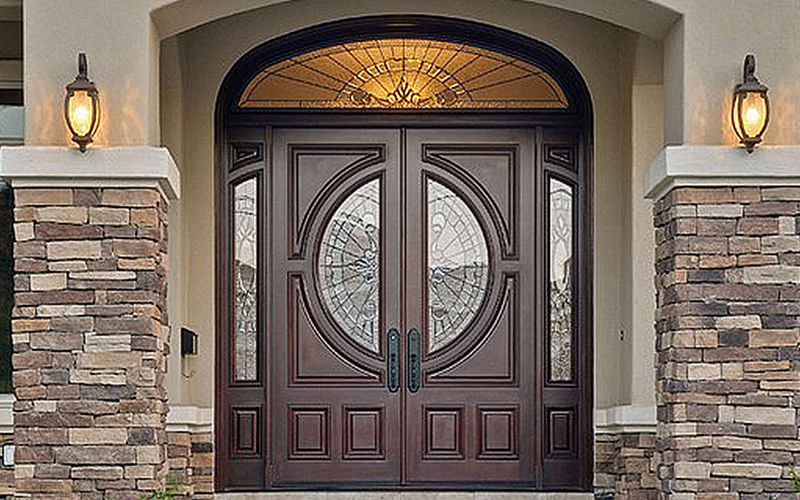
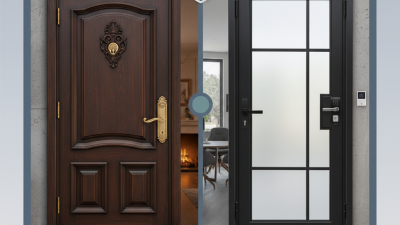
When selecting patio doors, aesthetic considerations play a vital role in enhancing your home’s design. The style of your door should complement the overall look of your house. Consider the architectural features of your home. A modern house often pairs well with sleek, minimalist doors, while traditional homes might benefit from classic, ornate designs.
Color and materials also matter. Natural wood adds warmth and charm, whereas metal frames provide a contemporary edge. Think about how colors interact. A contrasting hue can make the doors pop, while matching shades create a seamless look. Pay attention to details like hardware and grille patterns. These elements should reflect your personal style as well.
It’s okay if your door choice isn’t perfect. You may discover that the initial vision clashes with your home's existing features. Mixing styles can yield unique results, but it requires careful thought. Ultimately, the goal is to create a harmonious transition between indoor and outdoor spaces. Aim for a balance that enhances both functionality and beauty in your home.