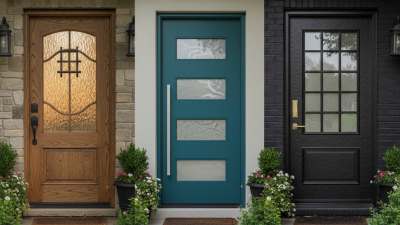
How to Choose the Best Residential Doors for Your Home
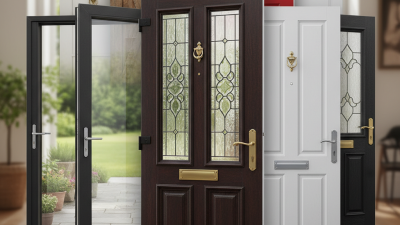
Selecting the right residential doors for your home is a significant decision. These doors serve as an entry point, shaping both the interior and exterior aesthetics. Quality residential doors enhance security and energy efficiency. They influence natural light and ventilation, impacting comfort in your living spaces.
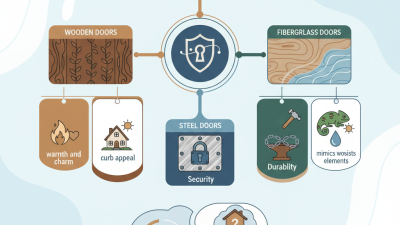
Consider the material, style, and durability when choosing. Wood offers warmth and elegance but requires maintenance. Fiberglass doors are low-maintenance and energy-efficient. Steel doors provide exceptional security but may be less visually appealing. Understanding the balance between design and practicality is crucial.
The door you select reflects your personality and lifestyle. It can elevate your home’s first impression. At times, homeowners overlook the importance of residential doors, focusing mainly on other features. Ultimately, every detail matters in creating a welcoming atmosphere. Investing time in this choice pays off in the long run.
Understanding the Different Types of Residential Doors Available
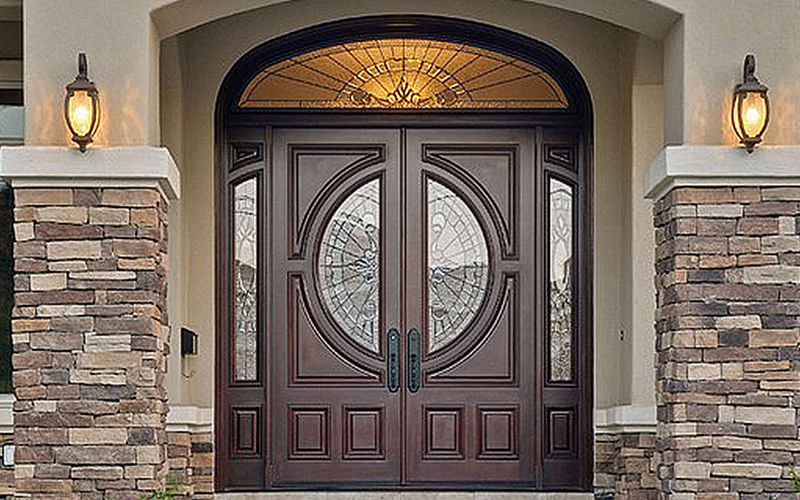
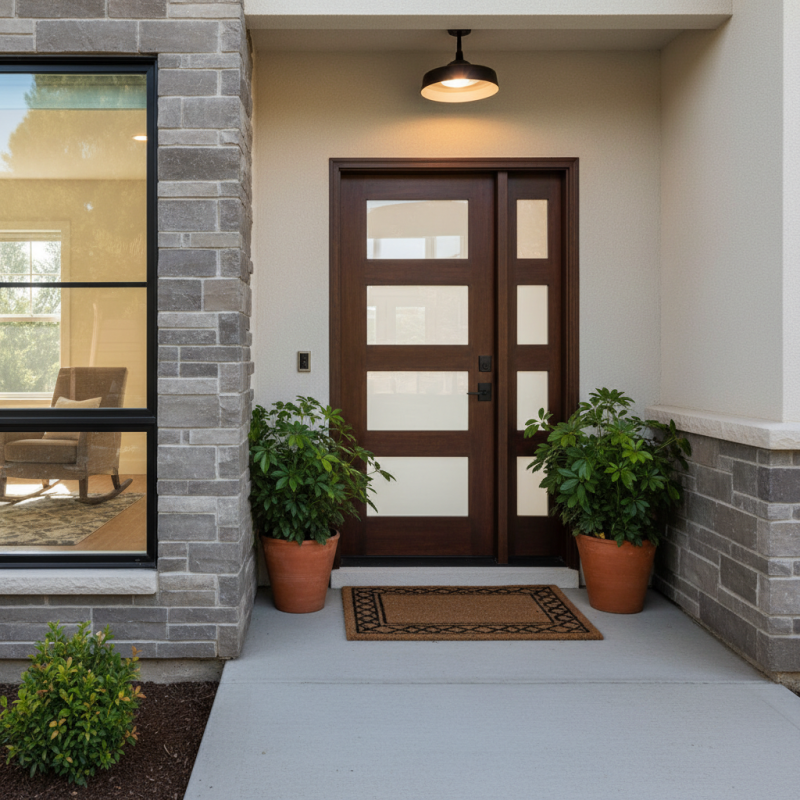
When selecting residential doors, understanding the types available is crucial. There are three primary types: entry doors, patio doors, and storm doors. Each serves a different purpose and offers unique advantages. Entry doors typically emphasize security and curb appeal. They often come with various materials like fiberglass, wood, or steel. Fiberglass doors are durable, while wooden ones bring warmth.
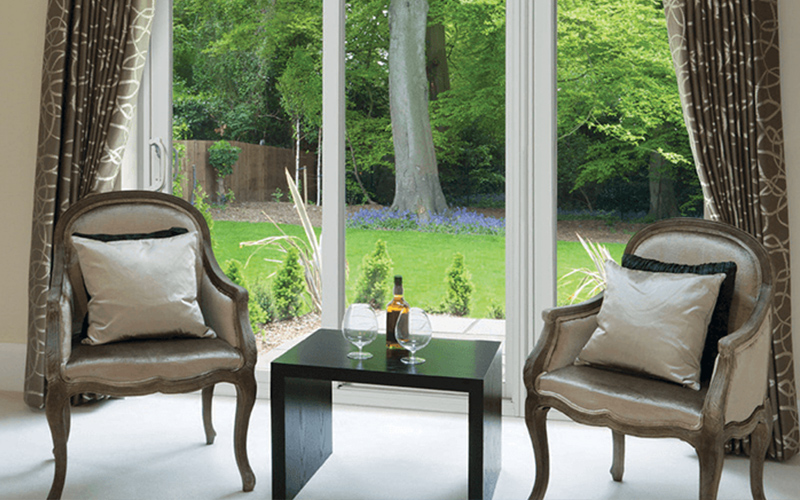
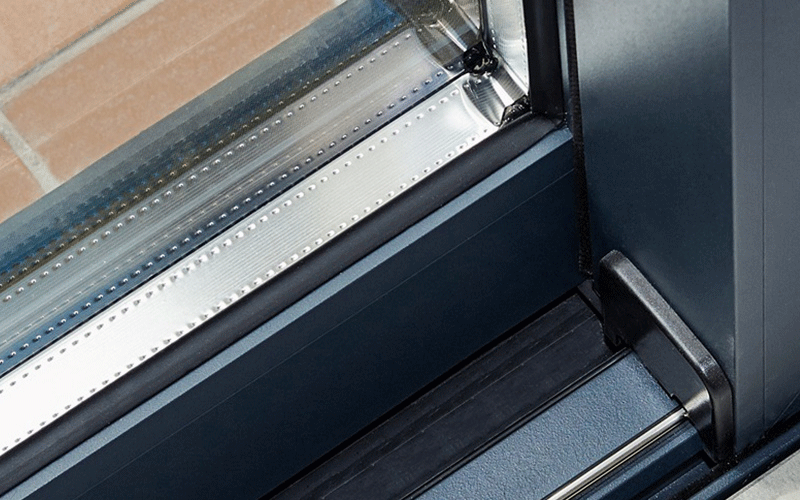
Patio doors allow for easy outdoor access. They often feature sliding mechanisms, making them ideal for small spaces. These doors can be made of glass, which lets in natural light and provides great views. However, they may not offer as much security as sturdy entry doors. Homeowners should consider whether aesthetics, security, or functionality is the most important.
Storm doors are functional. They protect against harsh weather while adding insulation. They often have a simple design and can be combined with main entry doors for added protection. However, they can sometimes obstruct the entryway, making the overall flow feel less inviting. Choosing doors requires balancing these factors, ensuring they meet both practical and aesthetic needs.
Comparison of Different Types of Residential Doors
Assessing Your Home’s Architectural Style for Door Selection
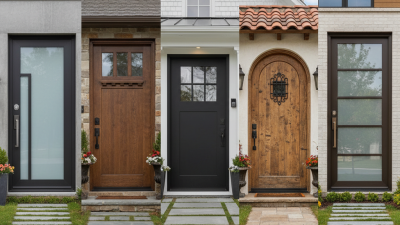
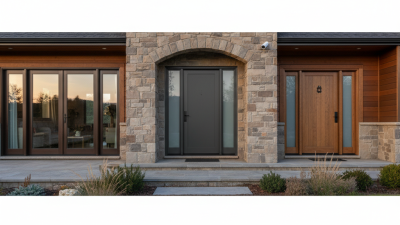
Choosing the right residential doors involves understanding your home's architectural style. Each style has distinct characteristics that will influence your choice. For example, a classic Victorian home often benefits from ornate doors, while a modern home may look best with sleek, minimal designs.
**Tips:** Consider the door material. Wood adds warmth but requires regular maintenance. Metal is durable but can seem cold without the right design touches.
Also, think about the color. A vibrant door can add personality, while neutral tones can blend seamlessly. Test how different colors interact with your home's exterior palette.
Reflection is key. Does your current door complement your home’s style? If not, it might be time to reassess your choice. Taking note of what works—and what doesn’t—can guide you to a better selection. Remember, the door is not just a functional item; it's a vital part of your home's character.
Evaluating Material Options for Durability and Aesthetics
When selecting residential doors, material choice significantly impacts durability and aesthetics. According to a 2022 report by the Door and Entry Systems Market, fiberglass doors have a lifespan of over 40 years. They offer excellent insulation and resistance to weather elements. Homeowners often appreciate the variety of design options available, which can mimic wood without the maintenance issues.
Wood doors, while classic and aesthetically appealing, may require more upkeep. A study from the National Institute of Standards and Technology mentions that untreated wood can warp or rot over time. This presents a dilemma for those seeking beauty and maintenance-free solutions. Metal doors are another option, known for their strength and security. However, they may lack the warmth of wood and can dent easily.
Choosing the right material involves balancing durability with personal taste. Consider the climate—humid areas might not be ideal for wooden doors. Reflect on maintenance needs, too. Each material has advantages and drawbacks that require thoughtful consideration. Evaluating these elements will impact the overall feel and safety of your home.
How to Choose the Best Residential Doors for Your Home
| Material |
Durability |
Aesthetics |
Energy Efficiency |
Maintenance |
| Wood |
High |
Elegant and Customizable |
Moderate |
Requires Regular Sealing |
| Fiberglass |
High |
Variety of Styles Available |
High |
Low |
| Steel |
Very High |
Sleek and Modern |
Moderate |
Low Maintenance |
| Aluminum |
High |
Modern and Stylish |
High |
Minimal |
| Vinyl |
Moderate |
Good Range of Colors |
High |
Easy to Clean |
Considerations for Security Features in Residential Doors
When selecting residential doors, security should be a top priority. A door is often the first line of defense against intruders.
Solid wood or fiberglass doors provide better protection than hollow-core options. Look for doors with a minimum thickness of 1.75 inches.
Moreover, the lock system is crucial. Deadbolt locks add significant security. Choose a door that accommodates a high-quality deadbolt.
Consider multi-point locking systems for added protection. These locks secure the door at multiple points, making it harder to breach.
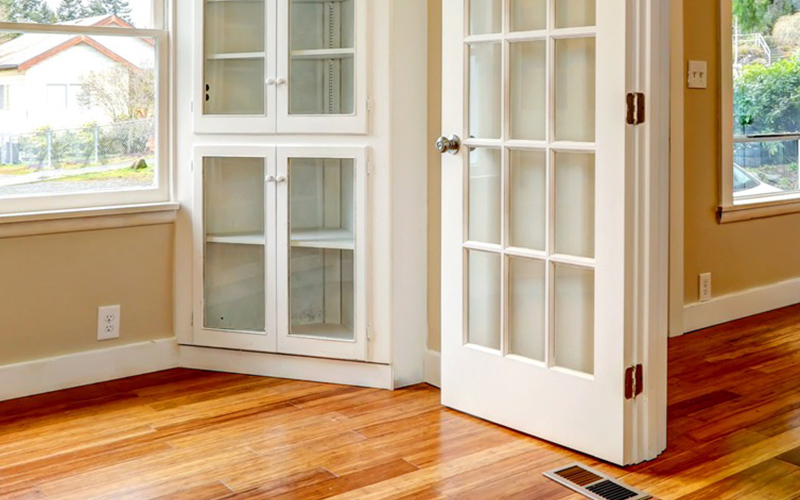
Windows in the door can be enticing for intruders. If glass is necessary, choose tempered glass or laminated options. These materials resist shattering more effectively.
Keep in mind the placement of your door as well. A door that is hidden from view may be more susceptible to tampering.
It's vital to evaluate your specific needs. Each home has unique vulnerabilities based on location and layout.
Discuss your options with a security expert or a contractor. Their insights can ensure that your door selection truly enhances your home's security.
Choosing the Right Insulation for Energy Efficiency in Doors
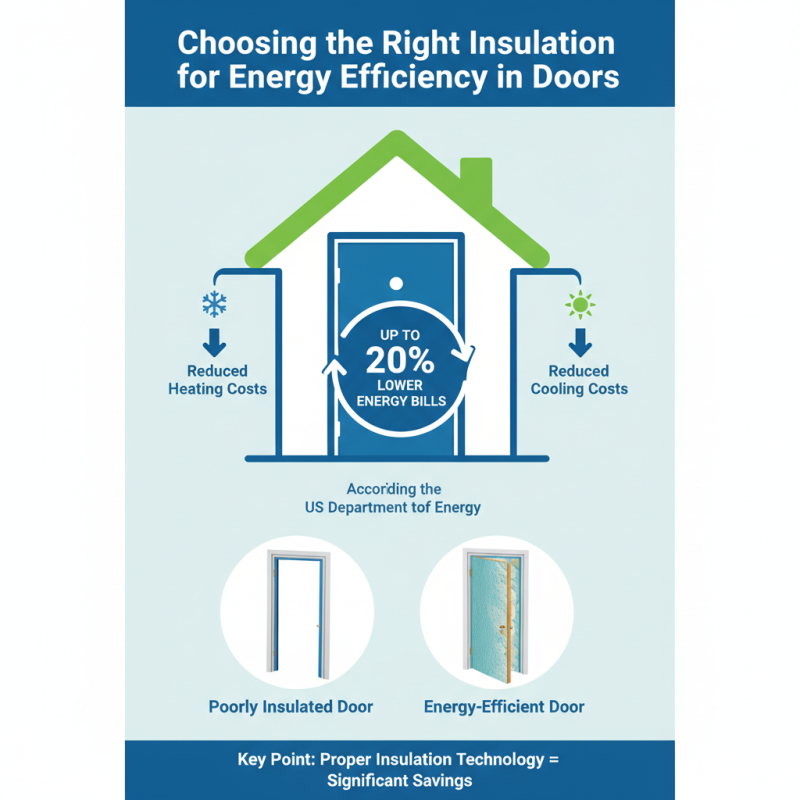
When selecting residential doors, insulation plays a crucial role in energy efficiency. Energy-efficient doors can significantly reduce heating and cooling costs. According to the U.S. Department of Energy, well-insulated doors can lower energy bills by up to 20%. This statistic underscores the importance of choosing doors with the right insulation technology.
Many homeowners overlook the R-value of doors. The R-value measures resistance to heat flow. Doors with higher R-values provide better insulation. For instance, a door with an R-value of 5 outperforms one with an R-value of 2 by keeping homes warmer in winter and cooler in summer. However, higher R-values may come with higher costs. Balancing budget and efficiency is often a challenge.
Material also influences insulation performance. Fiberglass, for instance, offers superior thermal properties compared to steel. Some steel doors have insulation but can still feel cold to the touch. This tactile experience highlights the need for careful selection. Understanding these nuances empowers homeowners to make informed choices. Consider performance vs. cost, and analyze specific needs before committing to a purchase. Examining energy efficiency ratings can also aid in the decision-making process.