How to Choose the Best Sliding Patio Doors for Your Home Upgrade
When considering a home upgrade, the choice of sliding patio doors can significantly impact both aesthetics and functionality. According to a report by the American Institute of Architects, sliding patio doors have become increasingly popular, with nearly 60% of homeowners prioritizing such features in their renovation projects over the past few years. These doors not only enhance natural light and accessibility but are also pivotal in connecting indoor and outdoor spaces, making them a favored option among modern home designs.
Expert in residential design and contractor, John Miller, highlights the importance of quality and style in choosing sliding patio doors: "Investing in high-quality sliding patio doors can transform your living space, providing both beauty and energy efficiency." As more homeowners seek to create seamless transitions between their indoor and outdoor environments, it becomes essential to understand the various styles, materials, and energy efficiency ratings available in the market. Selecting the best sliding patio doors for your home will not only elevate its overall appearance but also improve its energy performance, ensuring a long-lasting investment that enhances your living experience.
Understanding Different Types of Sliding Patio Doors Available
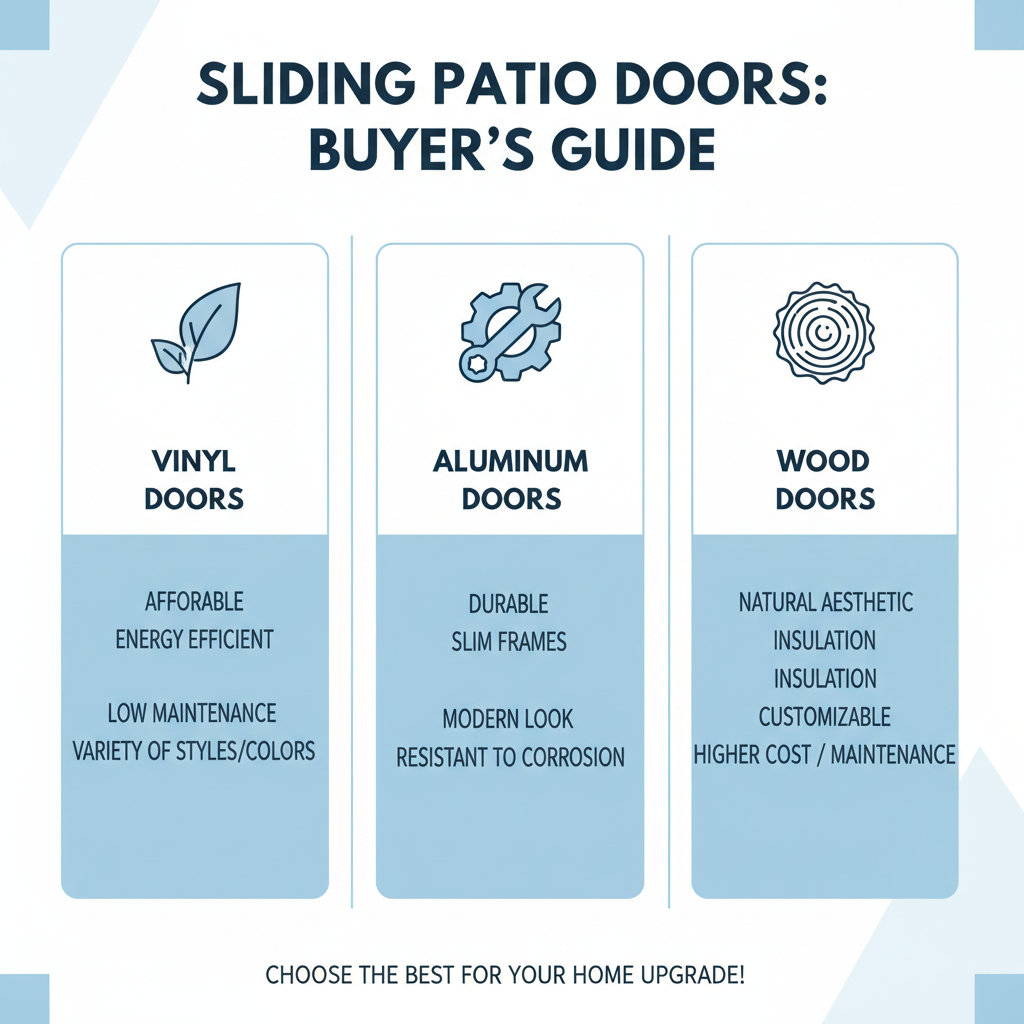
When selecting sliding patio doors for your home upgrade, it’s essential to understand the different types available to ensure you make the best choice. The most common options are vinyl, aluminum, and wood sliding doors. Vinyl doors are popular for their affordability and energy efficiency, as they provide excellent insulation and require minimal maintenance. They come in various colors and styles, making them a versatile choice for any home aesthetic.
Aluminum sliding doors, on the other hand, are known for their durability and strength. They can withstand harsh weather conditions without warping or fading, making them ideal for homes in extreme climates. While they may not offer the same level of insulation as vinyl, advancements in technology have led to improved thermal performance. For a more classic look, wood sliding doors offer natural beauty and aesthetics, bringing warmth to any space. However, they require regular maintenance to prevent rot and weather damage. By understanding these options, homeowners can select the sliding patio doors that best fit their needs and lifestyle.
Assessing Material Options for Durability and Aesthetics
When selecting sliding patio doors for a home upgrade, material options play a crucial role in both durability and aesthetics. According to the American Institute of Architects (AIA), nearly 70% of homeowners prioritize longevity and maintenance ease when choosing door materials. The most common materials for sliding patio doors are vinyl, aluminum, fiberglass, and wood, each offering unique advantages to suit various design preferences and environmental conditions.
Vinyl doors are known for their excellent insulation and low maintenance, making them a cost-effective option. A study by the National Association of Home Builders (NAHB) indicates that vinyl can last up to 20 years with minimal upkeep, while providing good energy efficiency. In contrast, aluminum doors offer sleek, modern aesthetics and exceptional strength, but can conduct heat and cold, potentially impacting energy costs. On the other hand, wood doors, although potentially requiring more maintenance, provide timeless beauty, with a lifespan of over 30 years when properly cared for, as noted by the Journal of Light Construction. Choosing the right material not only enhances the home’s aesthetic appeal but also ensures lasting performance.
Evaluating Energy Efficiency Ratings and Insulation Features
When selecting sliding patio doors for your home upgrade, evaluating energy efficiency ratings and insulation features is paramount. The U.S. Department of Energy states that doors with lower U-values are more effective at preventing heat transfer, which can lead to significant energy savings. For instance, choosing sliding patio doors with a U-value of 0.30 or lower can reduce heating costs by up to 15%, especially in colder climates. This is particularly critical given the fact that about 25-30% of residential heating and cooling energy is lost through windows and doors.
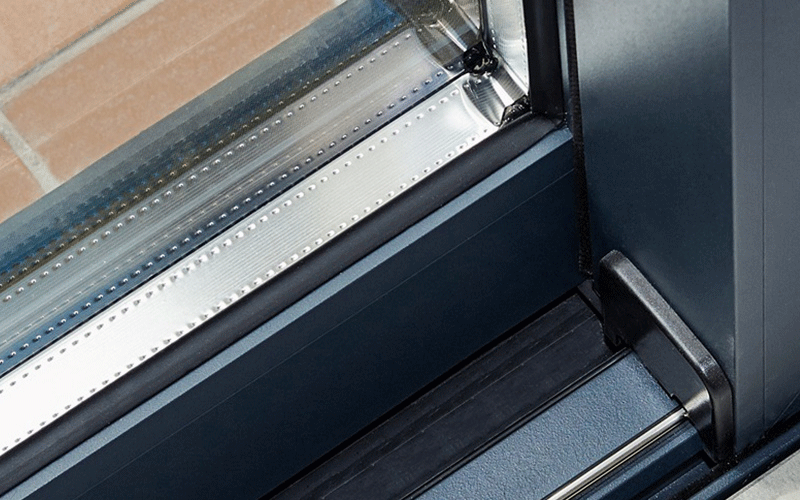
Insulation features play a crucial role in the overall energy efficiency of sliding patio doors. Energy Star certified doors, for example, generally include dual-pane glass with low-emissivity (Low-E) coatings that reflect heat in summer and retain warmth in winter. According to the National Fenestration Rating Council, these features can improve energy efficiency by at least 10% compared to standard models. Additionally, specialized insulating frames, such as those made from fiberglass or vinyl with foam cores, can further enhance thermal performance, making the investment in energy-efficient sliding patio doors a cost-effective decision for homeowners looking to upgrade their living spaces.
Energy Efficiency Ratings of Sliding Patio Doors
This bar chart presents common energy efficiency ratings for sliding patio doors. U-Factor measures the door's insulation effectiveness, Solar Heat Gain Coefficient indicates how much solar heat is transmitted, and Visible Transmittance shows the amount of natural light that passes through the door.
Choosing the Right Size and Configuration for Your Space
When choosing sliding patio doors for your home upgrade, selecting the right size and configuration is crucial to achieving both functionality and aesthetic appeal. According to the American Architectural Manufacturers Association, properly sized sliding doors can enhance natural light, increase energy efficiency, and improve overall indoor-outdoor flow. Assessing your space's measurements is essential; standard sizes typically range from 5 to 10 feet for the width, while height is usually around 6.5 to 8 feet. These dimensions can accommodate various openings while ensuring a seamless integration with the landscape.
Configuration plays a critical role in how the doors operate and fit within your space. Options include two-panel, three-panel, or even multi-panel configurations, with three-panel setups being popular among homeowners looking for a broader view and ease of access. A report from the National Association of Home Builders indicates that 73% of homebuyers prefer open floor plans that connect living areas to outdoor spaces, making the choice of sliding door size and arrangement integral to modern home design. Careful consideration of these factors can significantly elevate your home’s functionality while enhancing its aesthetic value.
Exploring Design Styles to Complement Your Home's Architecture
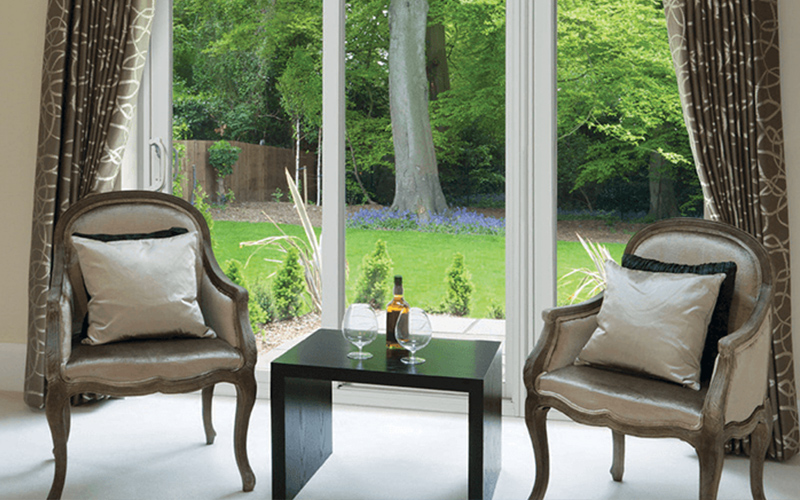
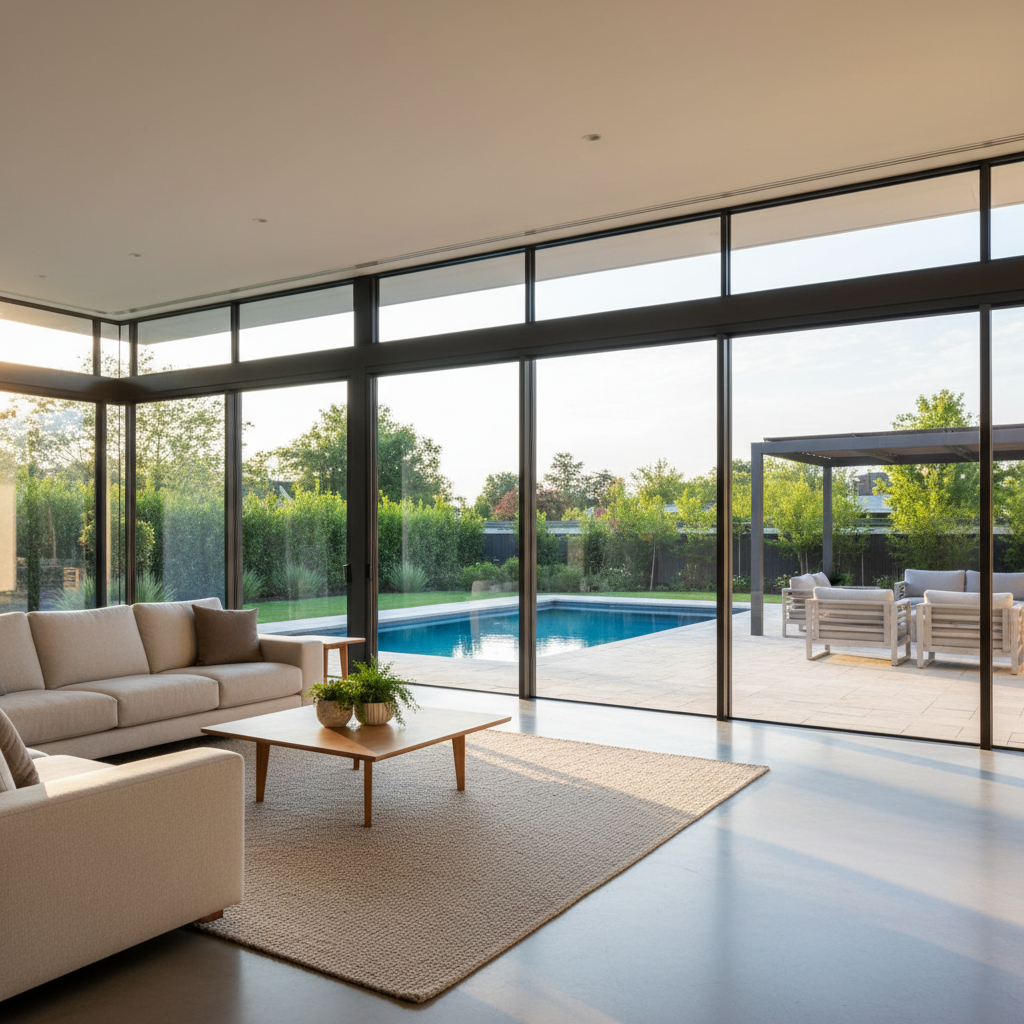
When upgrading your home with sliding patio doors, the design style you choose can significantly enhance your home's architectural appeal. According to the American Institute of Architects (AIA), contemporary and modern homes often benefit from sleek, minimalist sliding doors that feature large glass panels. These designs not only maximize natural light but also create a seamless indoor-outdoor connection. This trend aligns with the growing consumer preference for open floor plans, with 82% of homeowners expressing a desire for more natural light in their living spaces.
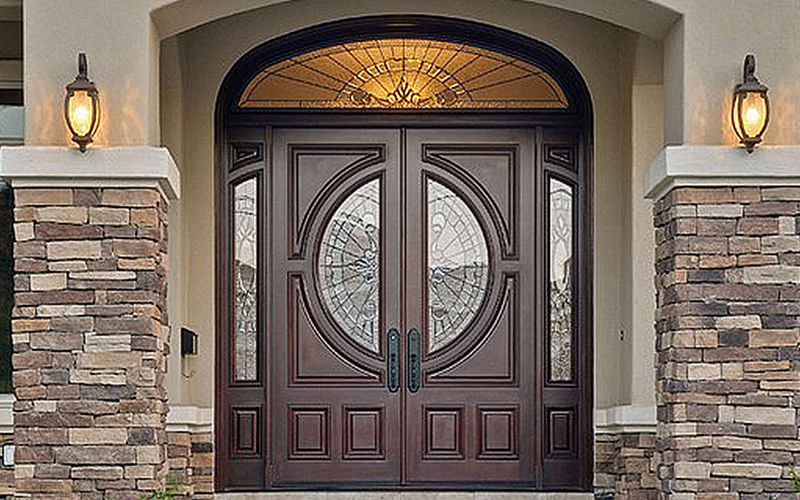
For traditional-style homes, sliding patio doors can incorporate classic design elements, such as divided lites or rich wood finishes. A report from the National Association of Home Builders (NAHB) reveals that 57% of buyers prefer wood or wood-clad doors for their warmth and aesthetic appeal. Such designs can echo the architectural features of historic homes, ensuring that the new addition feels cohesive rather than out of place.
By carefully considering your home’s architecture and the current design trends, you can select sliding patio doors that enhance both the functionality and beauty of your living space.