How to Choose the Best House Doors for Your Home?
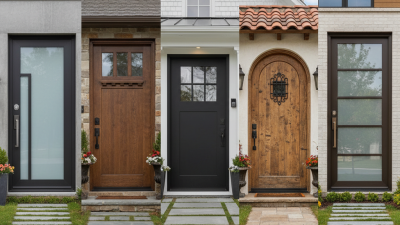
Choosing the right house doors significantly impacts your home's aesthetics and security. According to the National Association of Home Builders, nearly 35% of homebuyers prioritize door styles when making purchasing decisions. With a variety of materials, designs, and functionalities available, the selection process can seem overwhelming.
Industry expert Mark Fletcher emphasizes the importance of style and durability. He states, "The right house door not only enhances curb appeal but protects your home and loved ones." This highlights the need for a thoughtful choice when selecting house doors. Many homeowners overlook security features. They might favor attractive options over sturdy constructions.
It's essential to consider not just appearance but practicality. Different house doors serve distinct purposes, from entry doors to patio variants. Understanding this can lead to better decision-making. Investing time in research can make a notable difference. This decision impacts both comfort and safety.
Understanding the Importance of Choosing the Right House Doors
Choosing the right house doors is crucial for your home.
Doors are more than just entry points; they offer security, privacy, and aesthetic appeal.
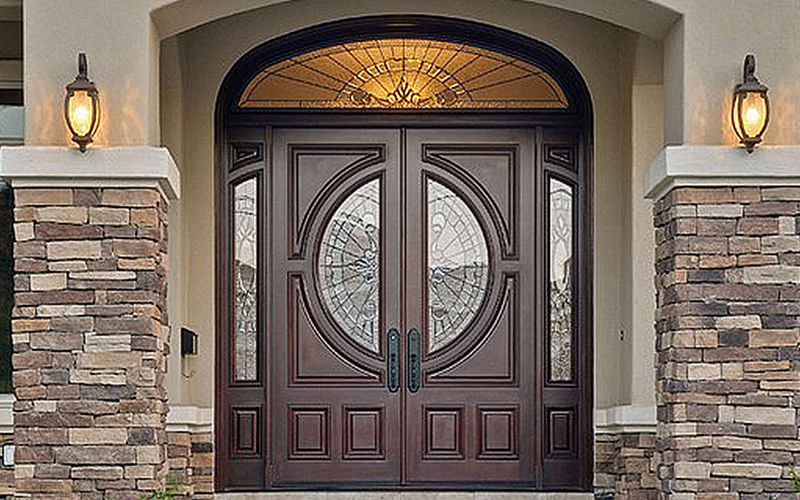
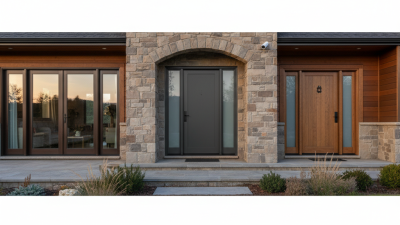
The right door can complement your home’s architecture and enhance its overall value.
A mismatched door might detract from your home’s charm. Consider the design carefully.
Security is another major factor. A sturdy door can deter intruders and keep your family safe.
Think about the materials used. Solid wood or reinforced steel often provide better security than lighter options.
Also, check the locking mechanisms. Sometimes, a simple lock won't suffice; consider multi-point locking systems for peace of mind.
Additionally, energy efficiency plays a role in your choice.
Doors can significantly impact your home's insulation. Drafty doors lead to higher energy bills.
You might overlook this aspect when choosing aesthetics over function.
Reflect on how often you struggle with temperature control; this could save you in the long run.
Balancing style, security, and energy efficiency requires thought and sometimes compromises.
Identifying Your Home's Style and Requirements for Doors
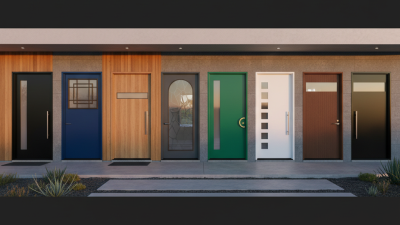
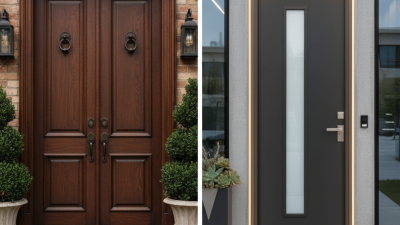
Choosing the best house doors starts with identifying your home’s unique style and specific needs. The architectural style of your home plays a crucial role. A modern home may require sleek, minimalist doors. In contrast, a traditional house may benefit from ornate designs. According to industry studies, 70% of homeowners consider style compatibility as a primary factor in door selection.
Functionality is equally important. You need to assess your location's climate and security needs. For instance, homes in colder areas may need insulated doors. Studies show that energy-efficient doors can reduce heating costs by up to 25%. This is not just about aesthetics; it is about long-term savings.
Lastly, reflect on the interior flow of your spaces. Will a swinging door restrict movement? Consider pocket doors for tighter areas. Choosing a door is not just a purchase. It requires careful thought around style, functionality, and space utility. Often, homeowners underestimate the importance of these decisions, leading to choices they later regret.
Exploring Different Materials for House Doors: Pros and Cons
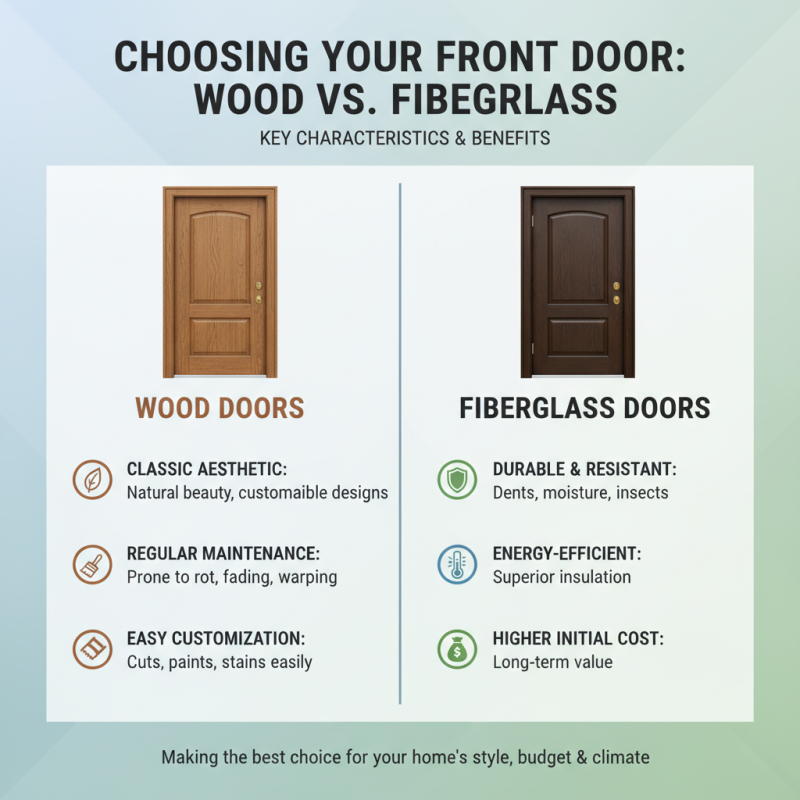
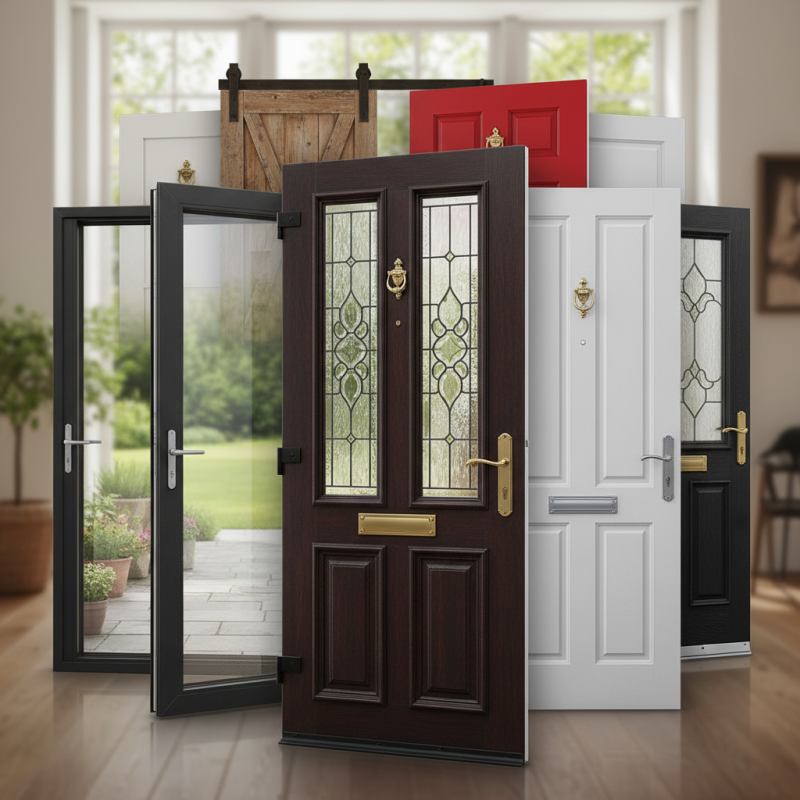
Choosing the right material for house doors can be challenging. Each type has distinct characteristics that suit different needs and styles. Wood doors offer a classic look and can be customized easily. However, they require regular maintenance to prevent rot and fading. In contrast, fiberglass doors can mimic wood's appearance while being resistant to dents and moisture. They tend to be more energy-efficient, but their initial cost can be higher.
Steel doors provide security and durability. They are low maintenance, but they can rust if not properly treated. On the downside, steel doors may not have as many design options. Vinyl doors are lightweight and energy-efficient. Yet, some homeowners feel they lack the elegance of other materials. Each option presents trade-offs. It’s crucial to consider aesthetic preferences and practical needs when making your choice. An informed decision can lead to long-term satisfaction.
Evaluating Security Features and Energy Efficiency in Doors
When selecting house doors, security features are critical. A solid door can deter intruders effectively. Look for doors with robust materials like steel or solid wood. Reinforced frames enhance durability, making forced entry more difficult. Don’t forget the lock; deadbolts provide an extra layer of security. Sometimes, however, people overlook the importance of proper installation. A well-installed door will perform better regardless of its material.
Energy efficiency is another aspect to consider. Insulated doors help regulate indoor temperature, reducing energy bills. Look for doors with high energy ratings. Double or triple-glazed glass options are ideal. They minimize heat loss while allowing natural light in. However, consider how these doors fit into your home design. Choosing a door just for energy efficiency might not always be the best look. An attractive door that harmonizes with your home can enhance curb appeal, even if it’s less efficient.
Comparison of House Door Security Features and Energy Efficiency Ratings
Considering Budget and Warranty Options When Selecting Doors
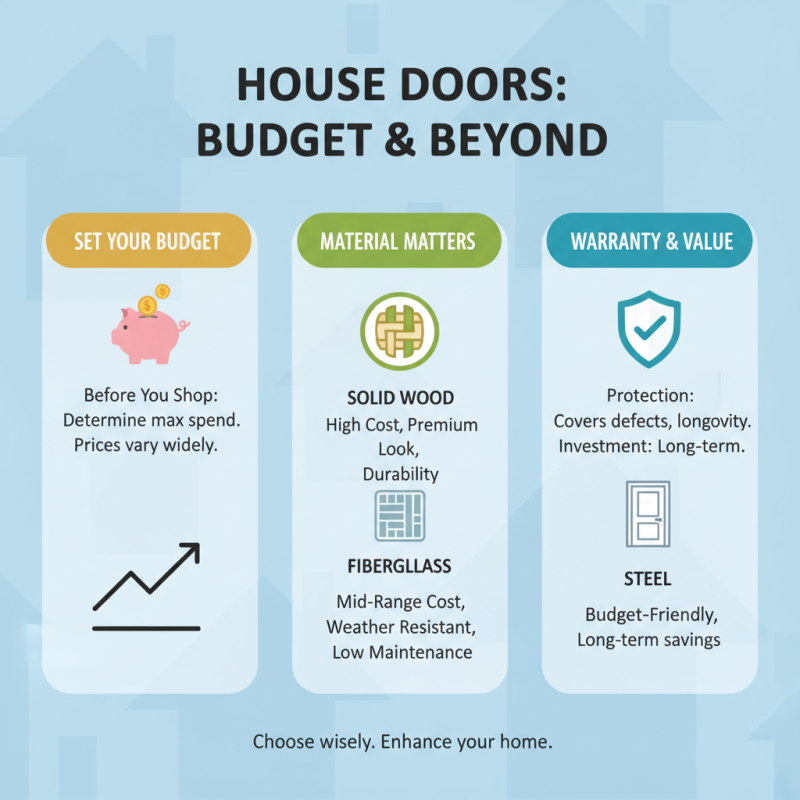
When selecting house doors, budget and warranty options play a crucial role. Consider how much you can spend before you start shopping. Doors come in various materials and styles. Each option varies significantly in price. For example, solid wood doors can be expensive, whereas fiberglass doors offer a more budget-friendly alternative.
Think about the potential costs of installation and maintenance as well. Even a seemingly affordable door can lead to expenses over time. Check warranty options closely, as they often reflect quality. A longer warranty may indicate better materials or craftsmanship. If a door only has a short warranty, it could be a red flag.
Reflect on your needs and preferences. Sometimes, it’s easy to overlook aspects like energy efficiency or security features. Right now, you may be tempted to choose based solely on appearance. Yet, a beautiful door without sturdy construction may lead to regrets later. Balance aesthetics with functionality for a more satisfying choice in the long run.