How to Choose Apartment Furniture for Small Spaces?
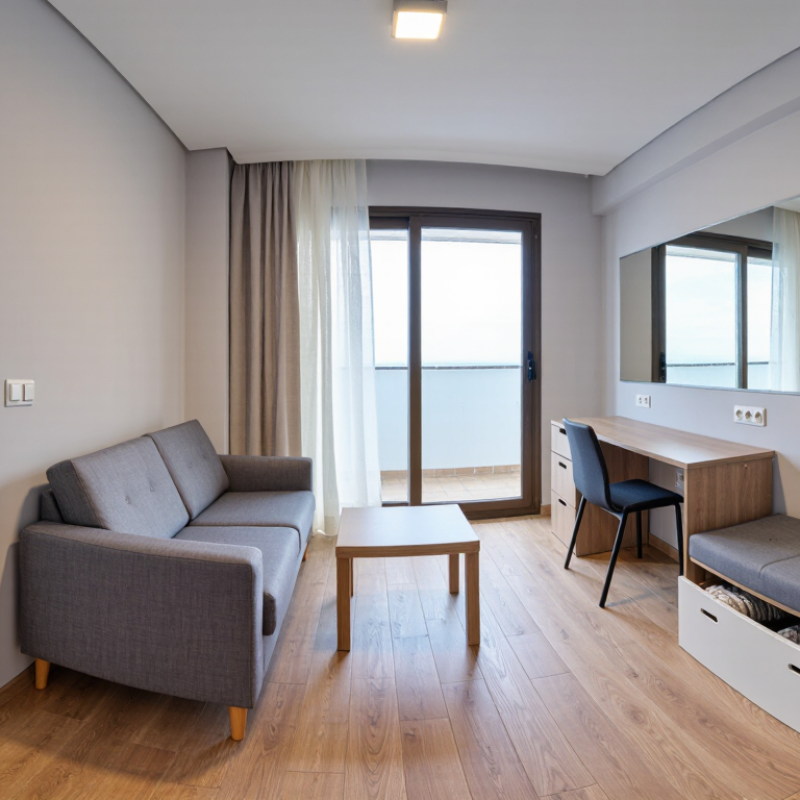
Choosing furniture for a small apartment requires more than finding attractive pieces. Every item must earn its space through comfort, function, and proportion. Apartment Furniture should support daily routines without blocking walkways or making rooms feel crowded. A compact sofa, for example, may need enough depth for relaxing, while leaving at least a clear path toward the balcony or kitchen.
Begin with accurate measurements. Record wall lengths, ceiling height, doorway widths, and the swing of each door. A beautiful cabinet is useless if it cannot pass through the entrance. Measure twice. Sketch the room before shopping, including windows, radiators, and electrical outlets. These small details often determine whether a layout feels practical.
Experienced designers usually recommend furniture with multiple purposes. A storage ottoman can hold blankets and provide extra seating. A narrow dining table can become a work surface during the day. Beds with drawers may reduce the need for bulky wardrobes. However, multifunctional furniture is not automatically comfortable or durable. Check its hinges, weight capacity, materials, and warranty before buying.
Visual lightness matters too. Raised legs reveal more floor, while pale finishes can reflect natural light. Mirrors may increase brightness, but they cannot fix poor circulation. I have seen shoppers focus too heavily on appearance and ignore everyday movement. That mistake is easy to make. Leave room to open drawers, pull out chairs, and clean beneath furniture. The best small-space arrangement may not look perfect in a showroom, but it should feel calm, safe, and usable at home.
Assess the Space, Layout, and Functional Requirements
Before choosing apartment furniture, measure the room as it really exists. Record wall lengths, ceiling height, door swings, window positions, outlets, and radiators. A simple floor plan, drawn on paper, often reveals problems that photos hide. Mark walking paths with tape on the floor. Leave enough clearance for comfortable movement, especially near entrances and kitchen areas. This is not a rigid rule. Older buildings may need more tolerance. I measure the route from the entrance to the window before considering a sofa.
Study how the apartment works during a normal day. Does the table serve meals, remote work, and storage? Can one seat face the window without blocking a cabinet? Use natural light for reading or working, and place taller pieces against less active walls. Furniture with a shallow depth can protect valuable floor space. Open shelving may separate zones, but it can also create visual clutter. In my own test, I underestimated the clearance around a folding table. The room felt cramped.
Write functional needs in order of frequency, not appearance. A bed with drawers may replace a separate dresser, but those drawers need room to open fully. Check measurements with doors, seats, and extensions in use, not just when closed. Consider cleaning access, assembly space, weight, and daily reach. Avoid buying a complete set before testing each piece with cardboard outlines. Sit down. Walk around. Reconsider the layout if one item controls every movement. A slightly plain choice may work better. That can feel disappointing.
Choose Furniture Scaled to the Apartment’s Dimensions
How to Choose Apartment Furniture for Small Spaces?
Choose furniture according to the apartment’s actual dimensions, not the showroom’s appearance. Measure each wall, doorway, window, and radiator before shopping. Record ceiling height too, because tall furniture can make a small room feel visually crowded. Leave at least 70 centimeters for comfortable walking paths where possible. This clearance matters more than squeezing in another chair.
Use masking tape to outline a sofa, table, or bed directly on the floor. I have found this simple test more reliable than guessing from measurements. A compact sofa may fit the wall, but its deep cushions could block the main walkway. Choose pieces with narrow arms, raised legs, or built-in storage when the room needs air and flexibility. Keep the coffee table proportional to the seating area, with enough space to move around it.
Do not treat every measurement as absolute. Real homes contain uneven walls, open doors, and awkward corners. I once selected a cabinet that technically fit, yet it made the entrance feel cramped. That mistake changed how I judge furniture scale. Now I measure the full movement zone, not just the empty wall. In a studio apartment, one oversized item can dominate the entire layout, while two smaller pieces may provide better function and balance. Scale is not only about size; it is about how each object shares space with daily life.
How to Choose Apartment Furniture for Small Spaces?
Choose furniture scaled to the apartment’s dimensions. This chart compares representative compact furniture widths and depths in centimeters; actual measurements vary by design.
Prioritize Multi-Functional and Space-Saving Designs
Choosing furniture for a small apartment requires more than liking its appearance. Measure the room, doorways, and walking paths before buying anything. Leave enough space to move comfortably, especially around the bed and kitchen area. A compact sofa with hidden storage can hold blankets, while a folding dining table can serve as a desk during the day. Multi-functional pieces reduce clutter without sacrificing everyday comfort.
Look for vertical storage, such as a narrow bookcase or wall-mounted cabinet. Choose an ottoman with a firm lid for seating and storage. A bed with built-in drawers can replace several bulky containers. Check the furniture’s dimensions, weight capacity, and assembly instructions carefully. Stability matters more than clever design when furniture is used daily. Keep vents and heating areas clear.
Measure twice. Buy once.
I once chose a beautiful coffee table that occupied too much floor space. It looked fine in the showroom, but my apartment felt cramped immediately. That mistake changed how I shop. Now, I place cardboard on the floor to test a piece’s footprint first. Still, multi-purpose furniture is not always perfect. A folding chair may feel less comfortable, and a storage sofa can be difficult to move. Prioritize the functions you genuinely use, rather than collecting features that sound useful. Neutral colors and simple shapes can also make the room feel calmer, but comfort should remain non-negotiable.
Arrange Furniture to Improve Movement and Storage
How to Choose Apartment Furniture for Small Spaces?
In a small apartment, furniture should create clear paths, not block them. I measure doorways, corners, and elevator space before buying anything. A 70-centimetre walking route usually feels more comfortable than a tightly packed room. Keep the area between the entrance, kitchen, and bathroom especially open. Choose a sofa with raised legs, so the floor appears less crowded and becomes easier to clean.
Tips: Use nesting tables, stackable stools, and a bed with drawers. Keep storage close to where items are used. A slim cabinet near the entrance can hold shoes, bags, and umbrellas without widening the walkway. Mounting shelves higher can free valuable floor space, but leave enough clearance for safe access.
I once placed a large coffee table in front of a sofa because the room looked unfinished. It looked attractive, but daily movement became awkward. A smaller round table worked better and reduced sharp corners.
Select furniture with more than one function, such as an ottoman that stores blankets or a desk that folds against the wall. Leave cabinet doors and drawers fully open during planning. This simple test exposes problems that measurements can miss.
Avoid filling every empty corner. Some empty space is useful. Check furniture stability, weight limits, and local safety guidance before installing tall storage.
Evaluate Materials, Comfort, Durability, and Visual Balance
Choosing apartment furniture starts with materials, because a beautiful piece can still damage indoor comfort. In practice, inspect the frame, joints, upholstery, and finish together. Solid wood or reinforced engineered wood usually handles repeated movement better than thin panels. Look for tight seams, even edges, and screws that can be retightened. The U.S. Environmental Protection Agency reports that indoor pollutant levels can be two to five times higher than outdoor levels. Therefore, ventilate new furniture and prefer low-emission finishes when possible. A sharp chemical smell is not proof of danger, but it deserves attention.
Comfort needs measurement, not guesswork. Sit for several minutes. Check whether your knees stay near a right angle and whether the seat edge presses behind them. For sofas, medium-firm cushions often support daily use without swallowing the body. Still, comfort is personal. I would not trust a showroom test alone. Ask about cushion replacement, fabric abrasion results, and cleaning instructions. Industry testing under ANSI/BIFMA standards can provide useful evidence for tables and seating, although household use may differ.
Visual balance matters in a small room. Choose one substantial anchor, then keep nearby pieces lighter. A tall bookcase beside a low sofa can create useful vertical contrast. Leave clear walking space around doors and beds. The U.S. Consumer Product Safety Commission has reported thousands of annual furniture tip-over injuries, especially among young children. Secure tall storage to the wall. Measure twice. Regrettably, even careful planning can miss a radiator, window swing, or delivery path. That mistake is expensive.