How to Choose the Perfect House Doors for Security and Style
When it comes to enhancing the aesthetic appeal and security of our homes, choosing the right house doors is a crucial decision. House doors are not merely functional entry points; they serve as the first line of defense against intruders while also reflecting the personality and style of the homeowner. With a myriad of options available—from classic wooden designs to modern fiberglass and steel models—homeowners face the challenge of balancing security features with their desired architectural style.
In this guide, we will explore essential considerations for selecting house doors that align with both safety and design preferences. Factors like material durability, lock technology, and insulation properties will be discussed to ensure that the chosen doors not only enhance visual appeal but also offer robust security. Additionally, we’ll delve into various design styles and how they can complement your home’s overall aesthetic, allowing you to create a warm and inviting entryway without compromising on safety. By the end of this discussion, homeowners will be equipped with the knowledge needed to make an informed choice when selecting house doors that truly marry security with style.
Factors Affecting Security in House Door Selection
When selecting house doors, security is a paramount concern. One of the primary factors affecting security in door selection is the material from which the door is made.
Solid wood, steel, and fiberglass are favored for their durability and resistance to forced entry. A solid core door, for instance, offers greater strength compared to hollow-core options, making it a more secure choice.
Additionally, the door's construction, including features like reinforced frames, also plays a significant role in thwarting potential intruders.
Another crucial element to consider is the locking mechanism. High-quality deadbolts and multi-point locking systems enhance security by providing multiple points of contact and resistance against break-ins. It’s also essential to ensure that the hinges are protected, as exposed hinges can be an easy target for tampering.
Lastly, proper installation cannot be overlooked, as a poorly fitted door could compromise all other security features. Selecting a door that meets both aesthetic desires and security standards is vital for creating a safe and inviting home environment.
Materials and Durability: Choosing Strong Door Options
When it comes to selecting the right house doors, materials and durability are essential factors to consider for both security and style.
Solid wood doors, for instance, are often praised for their timeless aesthetic appeal, offering a classic look that can enhance the overall charm of your home.
However, while wood provides a warm and inviting feel, its susceptibility to environmental factors such as moisture and temperature changes can impact its longevity. For homes in harsher climates, it may be wise to explore engineered wood options or composite materials, which offer increased resistance to warping and cracking.
Another popular choice for modern homes is fiberglass doors, which combine durability with energy efficiency.
They are designed to mimic the appearance of wood while providing superior insulation and resistance to dents and scratches.
Additionally, steel doors are renowned for their security features, often equipped with robust locking mechanisms.
These doors can withstand significant impact and are less prone to damage, making them an excellent choice for homeowners prioritizing safety.
By evaluating the strengths and weaknesses of different materials, you can choose a door that not only meets your security needs but also complements the style of your home.
Design Aesthetics: Harmonizing Style with Home Exteriors
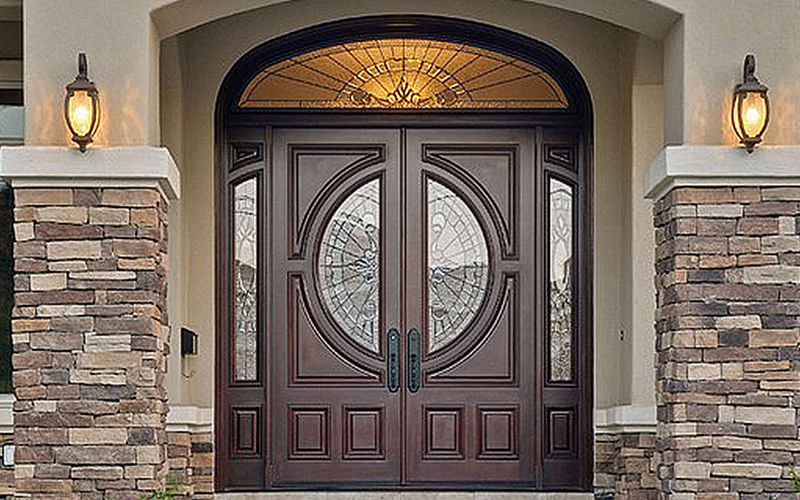
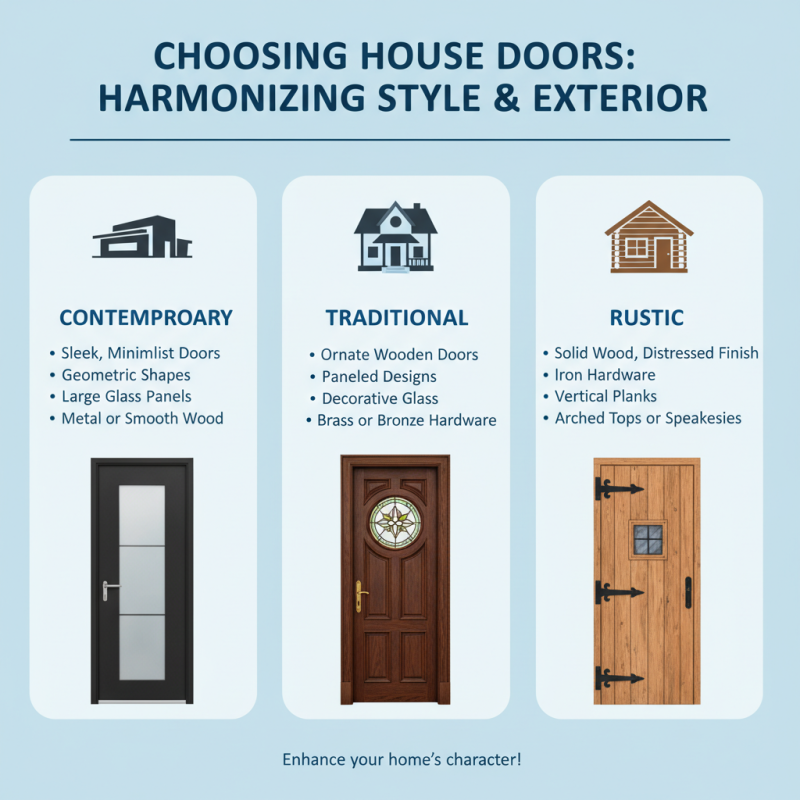
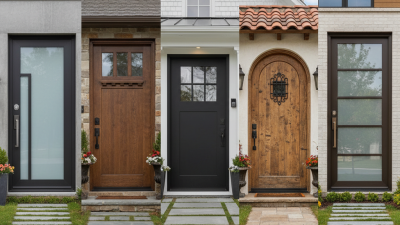
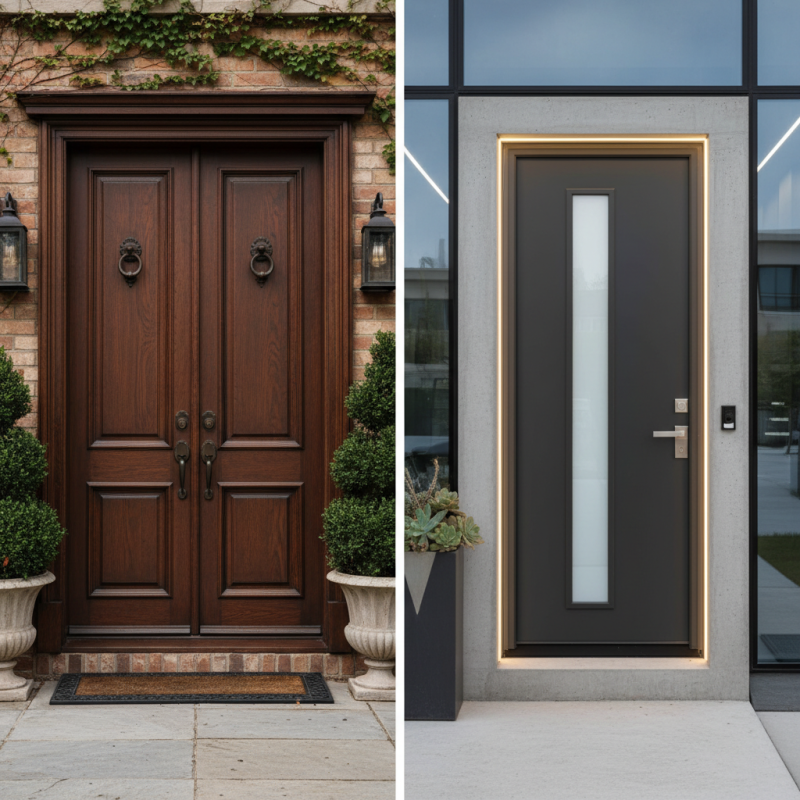
When selecting house doors, design aesthetics play a crucial role in harmonizing style with your home's exterior. A door is not just an entry point; it serves as a significant element of your home's façade. Consider the architectural style of your house—whether it’s contemporary, traditional, or rustic—when choosing your door design. This will ensure that your door complements the overall appearance, enhancing your home’s character. For instance, sleek, minimalist doors can provide a modern touch, while ornate wooden doors might perfectly suit a classic home, incorporating elements like carvings or decorative glass.
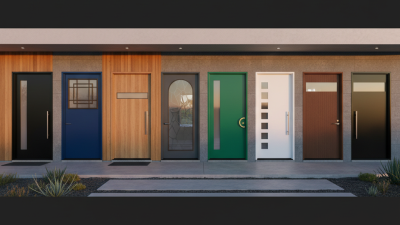
Color and material also greatly influence the visual impact of your front door. A bold color can create a striking focal point, drawing attention while showcasing personal style, while softer hues can blend seamlessly with the exterior. Materials such as wood, fiberglass, or metal can express different moods; for example, a wrought-iron door can evoke elegance, whereas a sleek glass entrance may project a contemporary vibe. Moreover, it’s important to ensure that the door's design aligns not only with your personal taste but also with the surrounding landscape and architecture, fostering a cohesive and inviting appearance. Achieving this balance will not only enhance the beauty of your home but also increase its desirability and value.
Locking Mechanisms: Enhancing Security Features in Doors
When choosing house doors, security is a paramount concern. A crucial factor in enhancing the security features of doors is the locking mechanism employed. A sturdy locking system adds an extra layer of protection, deterring unauthorized access and giving homeowners peace of mind. Traditional deadbolts are a popular choice due to their durable construction and resistance to forced entry. However, modern advancements have introduced smart locks that combine convenience with enhanced security, allowing homeowners to control access remotely.
In addition to the type of lock, the placement of locking mechanisms also plays a significant role in ensuring security. Multi-point locking systems, which secure the door at multiple points along the frame, provide increased resistance against break-ins. Reinforced strike plates, combined with high-quality locks, help prevent tampering and bolster the overall security of the entryway. Moreover, it's essential to consider the material of the door itself; solid wood or fiberglass doors paired with strong locks create a formidable barrier against potential intruders. By focusing on these aspects, homeowners can effectively enhance the security of their entrances while ensuring they maintain a stylish appearance that complements their home.
How to Choose the Perfect House Doors for Security and Style - Locking Mechanisms: Enhancing Security Features in Doors
| Locking Mechanism Type |
Security Level |
Style Compatibility |
Material Used |
Average Cost |
| Deadbolt |
High |
Traditional, Modern |
Steel, Brass |
$50 - $200 |
| Smart Lock |
Medium to High |
Modern, Contemporary |
Aluminum, Plastic |
$150 - $400 |
| Keypad Lock |
Medium |
Modern, Contemporary |
Steel, Plastic |
$100 - $300 |
| Mortise Lock |
High |
Traditional, Rustic |
Brass, Steel |
$200 - $500 |
| Rim Lock |
Medium |
Traditional, Vintage |
Steel, Brass |
$60 - $150 |
Cost Considerations: Balancing Budget and Quality in Door Choices
When selecting house doors, balancing cost and quality is essential. A 2022 industry report highlighted that homeowners allocate an average of 10-15% of their renovation budget to doors. This not only includes the initial purchase price but also considers long-term durability and performance. Investing in quality materials can yield a significant return, with well-made doors lasting up to 50% longer than cheaper alternatives, thus reducing replacement costs and future energy bills.
Tips for selecting the right door include thorough research on materials. Steel and fiberglass doors, for instance, offer enhanced security and energy efficiency, often priced slightly higher upfront but saving homeowners on utility costs in the long run. Additionally, look for doors that meet energy-efficiency ratings, such as those compliant with ENERGY STAR standards, which can provide insights into insulation properties and potential savings.
Moreover, consider the long-term benefits of your investment. A door that meets both aesthetic desires and security needs is invaluable. High-quality doors can improve your home’s resale value by up to 70%, according to market analysis. Therefore, weighing immediate cost against long-lasting quality and security features is crucial for making a financially sound decision.
Cost Considerations for Choosing House Doors
This bar chart displays the average costs of different types of house doors, helping to visualize and balance budget considerations while choosing a door that meets both security and style needs.