How to Choose the Best Replacement Windows and Doors for Your Home
Choosing the best replacement windows and doors for your home is a crucial decision that impacts both the aesthetic appeal and energy efficiency of your living space. With various styles, materials, and features available in the market, it can be overwhelming to make the right choice. Replacement windows and doors not only enhance the curb appeal of your home but also play a significant role in insulation and security. This introduction aims to guide homeowners through the essential considerations to keep in mind when selecting replacement windows and doors, ensuring they meet the functional and aesthetic needs of their property.
As you embark on this journey, understanding the different types of replacement windows and doors, as well as their respective benefits, will help you make informed decisions. Factors such as energy efficiency ratings, material durability, and design compatibility must all be taken into account. Whether you're looking to upgrade the overall look of your home or improve its energy efficiency, making the right choices in replacement windows and doors can lead to significant long-term savings and increased property value. In the following sections, we will delve into the key elements that should influence your purchasing decisions, allowing you to transform your home with confidence.

Factors to Consider When Choosing Replacement Windows and Doors
When choosing replacement windows and doors, several critical factors impact the overall performance, aesthetics, and energy efficiency of your home. First and foremost, consider the material of the windows and doors. Common options include vinyl, wood, and aluminum, each offering unique benefits. According to the American Institute of Architects, vinyl windows provide the best thermal resistance, while wood offers a classic look but requires more maintenance. Additionally, the choice of material can affect the long-term energy savings, making it essential to assess both upfront costs and potential energy efficiency benefits.
Another vital factor is energy efficiency, which is increasingly important as homeowners seek to reduce energy costs and environmental impact. The U.S. Department of Energy reports that efficient windows—those marked by ENERGY STAR ratings—can save homeowners 7-15% on energy bills annually. Features such as double- or triple-pane glass with low-E (low-emissivity) coatings also contribute significantly to reducing heat transfer, thereby enhancing comfort within the home. Moreover, proper installation is crucial; even the best windows can underperform if not fitted correctly. Therefore, it's advisable to hire experienced professionals who ensure that windows and doors are installed to industry standards, maximizing both efficiency and durability over time.
The Importance of Energy Efficiency Ratings in Window and Door Selection
When selecting replacement windows and doors for your home, understanding
energy efficiency ratings is crucial.
Energy-efficient windows and doors can significantly reduce your household's energy bills. According to the
U.S. Department of Energy, installing energy-efficient windows
can save homeowners an average of $126 to $465 annually, depending on the climate and the
efficiency of the existing windows. These ratings often include metrics such as U-factor,
Solar Heat Gain Coefficient (SHGC), and
Visible Transmittance (VT), which help determine how well these installations
resist heat loss, block unwanted solar heat, and transmit natural light, respectively.
The National Fenestration Rating Council (NFRC) provides standardized ratings
that assist consumers in comparing the energy performance of various products. Windows and doors with high energy
efficiency ratings are not only beneficial for reducing energy costs but also enhance the overall comfort of your
living space by improving temperature regulation and reducing drafts. As the construction industry continues to evolve,
more homeowners are recognizing that investing in high-performance windows and doors contributes not just to
sustainable living, but also to long-term financial savings and increased property value.
Thus, having a solid understanding of these energy efficiency ratings is an essential factor in making
educated decisions that benefit both your home and the environment.
Understanding Different Frame Materials: Vinyl, Wood, and Aluminum
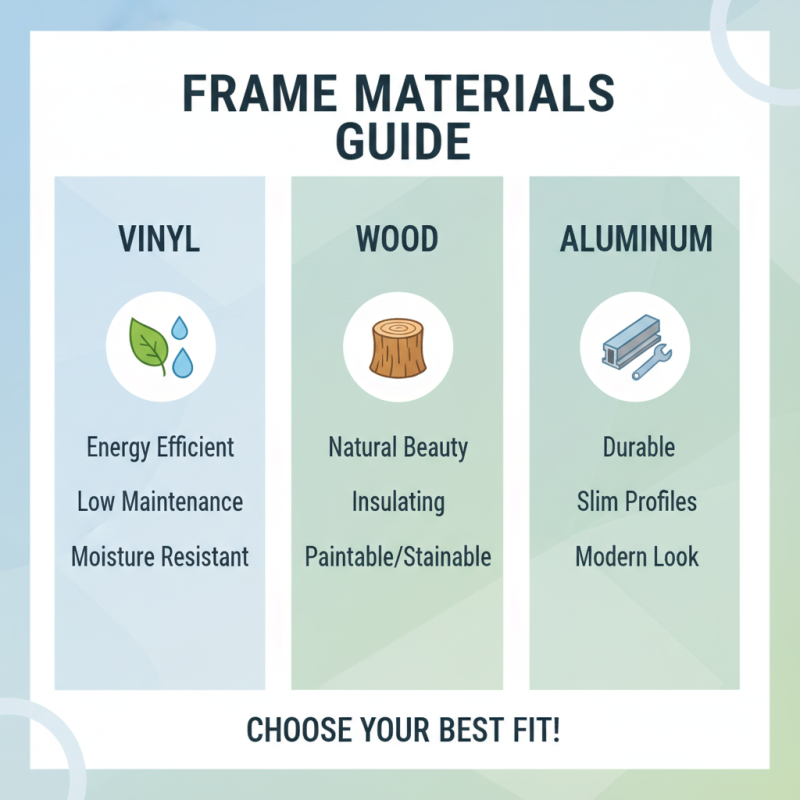
When it comes to selecting the best replacement windows and doors for your home, understanding different frame materials is crucial. Vinyl, wood, and aluminum are the most common options, each with its unique set of advantages and disadvantages. Vinyl frames are popular due to their energy efficiency and low maintenance requirements. They are resistant to moisture, meaning they won't warp or rot over time.
On the other hand, wood frames offer excellent insulation and a classic aesthetic that appeals to many homeowners. However, they require more maintenance to protect against the elements. Regular painting or staining is necessary to ensure longevity. For those looking for durability and a modern look, aluminum frames are a great choice. They are incredibly strong and can support larger panes of glass, but they may conduct heat, which can affect energy efficiency unless thermal breaks are used.
**Tips:** When deciding on frame materials, consider the climate in your area. In humid regions, vinyl might be the best option for its resistance to moisture, while wooden frames could shine in more temperate climates. Additionally, take into account your budget; vinyl tends to be more cost-effective, whereas wood often requires a larger initial investment but can add significant value to your home. Always evaluate the long-term costs associated with maintenance to make a well-informed decision.
Evaluating Glass Options: Single, Double, and Triple Glazing Benefits
When considering replacement windows for your home, understanding the benefits of different glazing options is essential. Single glazing, often the least expensive, consists of just one pane of glass. While it can be adequate in warmer climates, it provides minimal insulation and energy efficiency, making it less suitable for areas with extreme weather conditions.
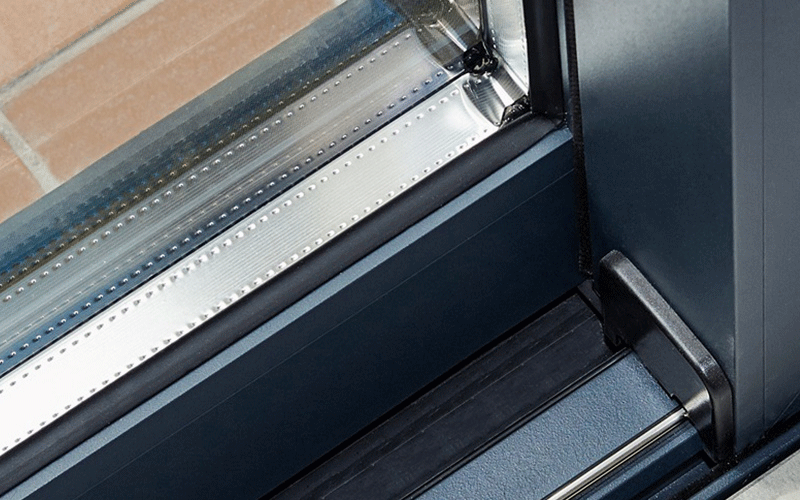
On the other hand, double glazing features two panes of glass with a sealed space between them, which significantly enhances insulation. This type not only reduces heat loss in winter but also blocks noise and minimizes condensation. For those seeking the highest energy efficiency, triple glazing is an excellent option. With three panes of glass, it offers superior thermal performance and can be particularly beneficial in regions with harsh winters.
Tips:
1. When choosing glazing, consider your local climate. If you experience significant temperature fluctuations, opt for double or triple glazing for better insulation.
2. Look for energy ratings when selecting windows. Higher-rated options can lead to more significant savings on energy bills over time.
3. Don't forget to assess the overall window frame material, as it also impacts energy efficiency and maintenance needs.
How to Choose the Best Replacement Windows and Doors for Your Home - Evaluating Glass Options
| Type of Glazing |
Insulation Value (R-Value) |
Energy Efficiency |
Noise Reduction |
Cost Range |
| Single Glazing |
1.0 |
Low |
Minimal |
$100 - $300 |
| Double Glazing |
2.0 - 3.0 |
Moderate |
Good |
$300 - $500 |
| Triple Glazing |
3.0 - 4.0+ |
High |
Excellent |
$500 - $800 |
Professional Installation vs. DIY: Costs and Long-Term Value Considerations
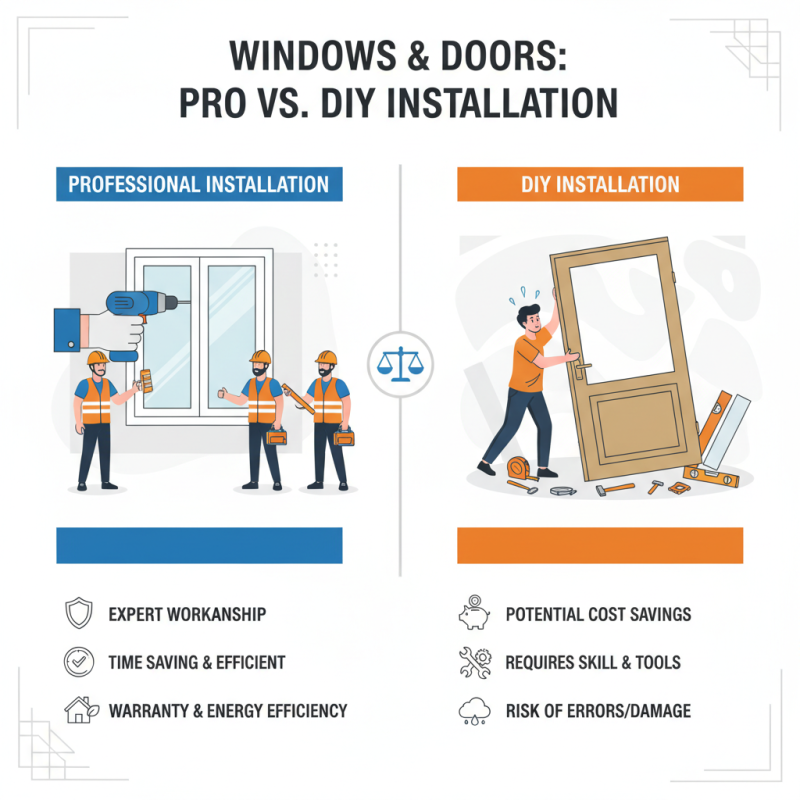
When considering replacement windows and doors for your home, a pivotal decision revolves around the installation method: professional installation versus DIY. While undertaking a DIY project can be an appealing option due to its potential cost savings, it requires a considerable investment of time, skill, and the right tools. For a homeowner with the necessary expertise, installing windows and doors can be a fulfilling project, allowing for customization and a hands-on experience. However, if the installation is not executed properly, it can lead to issues such as air leaks, water damage, and compromised energy efficiency, ultimately costing more in repairs.
On the other hand, hiring professionals ensures that the job is completed according to industry standards, significantly reducing the risk of future problems. Professional installers come with experience and knowledge that can save homeowners from common pitfalls associated with DIY projects. While the initial cost of hiring experts may be higher, the long-term value they provide—through warranties, improved energy efficiency, and enhanced home comfort—often outweighs the upfront expenses. Homeowners should weigh these factors carefully, considering their budget, skills, and the importance of quality installation in ensuring the longevity and performance of their new windows and doors.