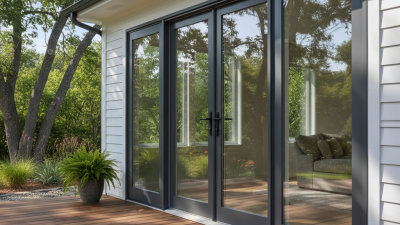
How to Choose the Best Replacement Sliding Doors for Your Home in 2025
When it comes to enhancing your home’s aesthetic and functionality, choosing the right replacement sliding doors is a pivotal decision for homeowners in 2025. These doors not only serve as an entry point but also bridge the indoors with the outdoors, allowing natural light to flood your living space. Industry expert Sarah Thompson, a leading consultant in home renovations, emphasizes the importance of this choice, stating, “The right replacement sliding doors can transform a space, bringing both beauty and practicality to your home’s design.”
Navigating the options available for replacement sliding doors can be overwhelming, as homeowners must consider factors such as materials, energy efficiency, and security features. With advancements in design and technology, modern sliding doors come in a variety of styles that can cater to diverse architectural aesthetics. This guide aims to provide valuable insights into the best practices for selecting replacement sliding doors, ensuring that you make an informed choice that elevates your home’s appeal while meeting practical needs. As we delve into the world of sliding doors, keep in mind the balance between form and function for the ultimate home enhancement.
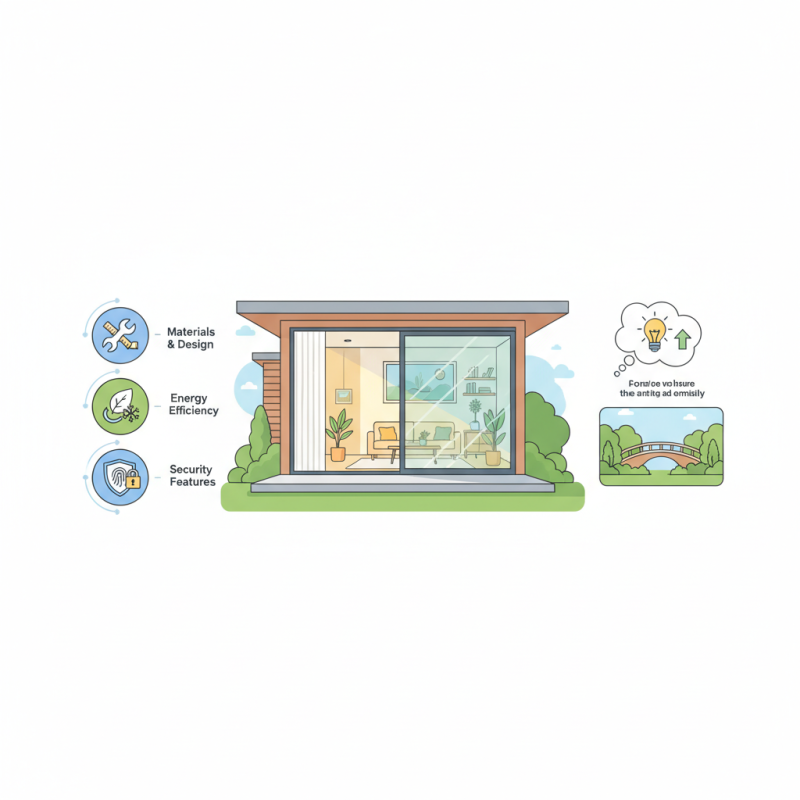
Understanding the Importance of Replacement Sliding Doors for Your Home
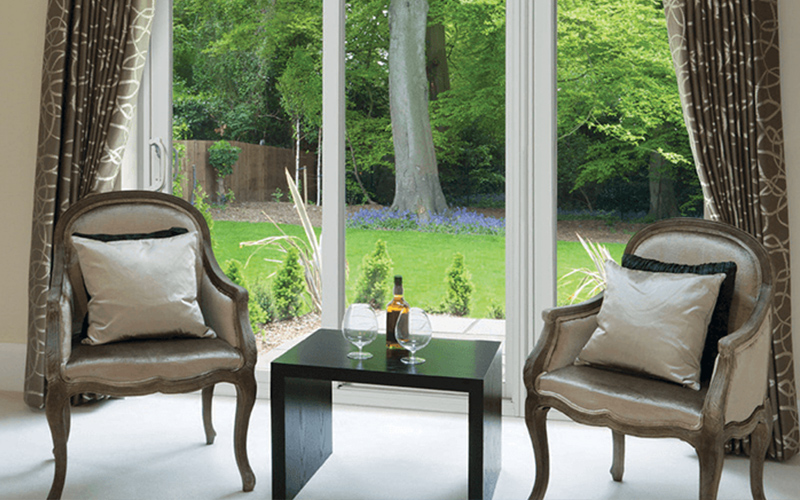
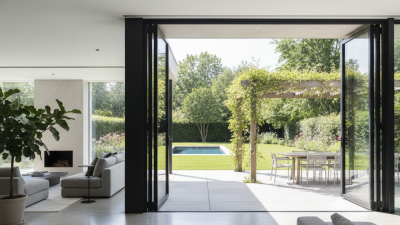
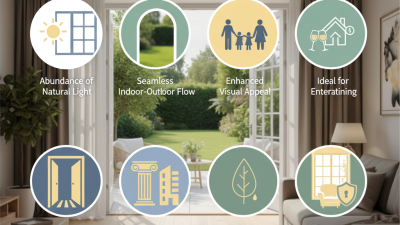
Replacement sliding doors play a vital role in enhancing the aesthetic appeal and functionality of a home. As one of the main access points to outdoor spaces, these doors not only provide a seamless transition between the indoors and outdoors but also influence the overall ambiance of a living environment. A well-chosen sliding door can bring in natural light, create a sense of openness, and improve ventilation, making spaces feel larger and more welcoming.
Moreover, the importance of replacement sliding doors extends beyond mere aesthetics. They can significantly impact energy efficiency and security. Modern sliding doors are designed with advanced insulating materials that help regulate indoor temperatures, thereby reducing energy costs. Additionally, enhanced locking mechanisms and durable frames can provide better security for homeowners. As property values continue to evolve, investing in quality replacement sliding doors becomes essential for maintaining the integrity and comfort of the home while also ensuring that the living space meets contemporary safety standards.
How to Choose the Best Replacement Sliding Doors for Your Home in 2025
| Feature |
Options |
Benefits |
Considerations |
| Material |
Vinyl, Aluminum, Fiberglass, Wood |
Durability, Energy Efficiency, Aesthetic Appeal |
Maintenance Requirements, Price Range |
| Energy Efficiency |
Low-E Glass, Insulated Frames |
Lower Utility Bills, Increased Comfort |
Initial Cost vs. Long-term Savings |
| Style |
Traditional, Modern, Custom Designs |
Enhanced Curb Appeal, Personalization |
Compatibility with Home Style |
| Security Features |
Multi-Point Locking, Impact Resistance |
Increased Safety |
Cost of Enhanced Security Features |
| Installation |
DIY vs. Professional Services |
Cost Savings (DIY), Quality Finish (Professional) |
Skill Level Required, Time Investment |
Key Features to Consider When Selecting Sliding Doors for Your Space
When selecting sliding doors for your home in 2025, several key features should be at the forefront of your decision-making process. First, consider energy efficiency, as new standards have emerged, emphasizing low U-values for better thermal performance. According to the U.S. Department of Energy, sliding doors can account for up to 50% of heat loss in a home if they are not energy efficient. Look for doors with double or triple glazing, low-emissivity (Low-E) coatings, and insulated frames to significantly reduce energy consumption and costs over time.
Another critical feature to consider is security. Recent reports from the Home Security Industry Association indicate that sliding doors are often targets for break-ins due to their construction. Ensure that the doors you choose come equipped with robust locking mechanisms, reinforced frames, and tempered glass to enhance security. Additionally, features such as multi-point locking systems and sliding bolts can make a substantial difference in protecting your home from intruders. Opting for sliding doors with these specifications not only improves your safety but can also increase the overall value of your property.
Key Features to Consider When Selecting Sliding Doors for Your Home in 2025
Materials Options: Wood, Vinyl, and Aluminum for Sliding Doors
When considering replacement sliding doors for your home, the choice of materials plays a crucial role in both functionality and aesthetics. Three of the most popular options are wood, vinyl, and aluminum, each offering unique advantages.
Wooden sliding doors exude warmth and classic charm, making them an appealing choice for traditional or rustic homes. They provide excellent insulation and can be customized with various finishes to match your decor. However, wood requires regular maintenance to protect it from the elements, and it may not be the best option for areas with high humidity or extreme weather conditions.
Vinyl sliding doors are known for their durability and low maintenance requirements. They resist fading and do not require painting or staining, making them an efficient choice for busy homeowners. Vinyl is also energy-efficient, helping to keep your home comfortable year-round. On the other hand, while vinyl options can mimic the look of wood, they may lack the same aesthetic appeal for some homeowners.
Aluminum sliding doors are often favored for their modern look and strength. Lightweight yet sturdy, they can be designed with large glass panels, allowing for expansive views and maximum natural light. Aluminum is highly resistant to rust and corrosion, making it suitable for coastal environments. However, they may not provide the same level of insulation as wood or vinyl unless they come with thermal breaks. Each material choice offers distinct benefits, so evaluating your specific needs and preferences is essential in making the right decision for your home.
Energy Efficiency and Insulation Ratings for Sliding Doors
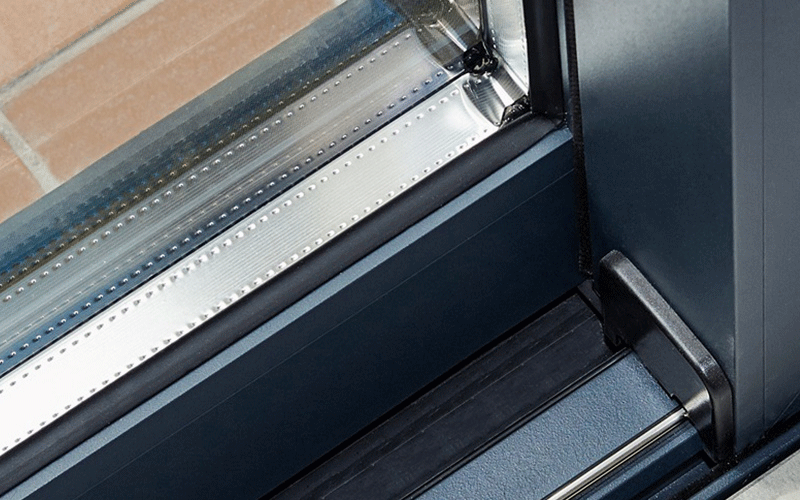
When choosing replacement sliding doors for your home in 2025, energy efficiency and insulation ratings should be at the forefront of your decision-making process. Sliding doors often serve as large openings that can significantly influence your home's overall energy consumption. High-quality sliding doors equipped with advanced insulation features can drastically reduce air leakage, keeping your home warmer in the winter and cooler in the summer. Look for doors that have low U-factor ratings, which indicate excellent thermal performance, and strive for models with double or triple glazing, as these can further enhance insulation.
In addition to the U-factor, you should also pay attention to the Solar Heat Gain Coefficient (SHGC) rating. This measurement indicates how much solar radiation can enter through the door, which is crucial in determining how much heat can be gained from sunlight. For homes in warmer climates, a lower SHGC is often preferred to reduce cooling costs, while in cooler climates, a higher rating might be beneficial for utilizing passive solar heating. By understanding these key insulation ratings and energy efficiency metrics, homeowners can make informed choices that not only improve comfort but also significantly reduce energy bills.
Design Trends and Aesthetics in Sliding Doors for 2025
As we look ahead to 2025, the design trends in sliding doors are set to evolve, merging functionality with aesthetics to create striking features in modern homes. One prominent trend is the shift towards minimalist designs that emphasize clean lines and unobtrusive frames. These doors not only enhance the sense of space but also allow for more natural light to flood into living areas, blurring the lines between indoor and outdoor environments. Choosing a sliding door with a slim profile can create a seamless transition, elevating the overall look and feel of a home.
In addition to minimalism, bold colors and finishes are gaining popularity in sliding door aesthetics. Homeowners are increasingly opting for doors that make a statement, with vibrant hues or unique textures that can serve as focal points in a room. These design choices reflect a growing desire for personalization, allowing individuals to express their style while maintaining practicality. Glass options, such as tinted or frosted finishes, also play a key role in enhancing privacy without sacrificing light, aligning with the contemporary trend of customizable solutions that cater to personal tastes and needs.