Best Replacement French Doors for Your Home Upgrade?
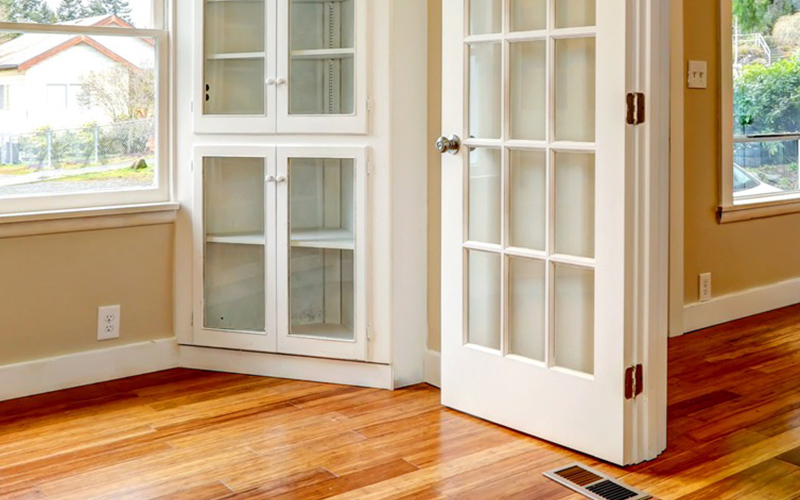
Upgrading your home often means making thoughtful choices about aesthetics and functionality. One major aspect is selecting the right replacement French doors. These doors not only enhance the beauty of your living spaces but also improve energy efficiency. The range of styles and materials available can be overwhelming. It's essential to consider what fits best with your home’s architecture.
Replacement French doors can transform an ordinary space into something extraordinary. They create a seamless transition between indoors and outdoors. Imagine hosting gatherings where guests can easily flow in and out. However, choosing the right door requires careful thought. Materials can vary, and some may not withstand weather changes.
There are many options to ponder. An ill-fitted door can lead to leaks and drafts, negating energy savings. Seek durability and style, but don’t overlook practicality. Installations can be tricky, and measuring inaccurately could complicate things. This investment is significant, so ensuring you make the right choice is crucial. Dive deeper into your options before committing to your new replacement French doors.
Types of French Doors Suitable for Home Upgrades
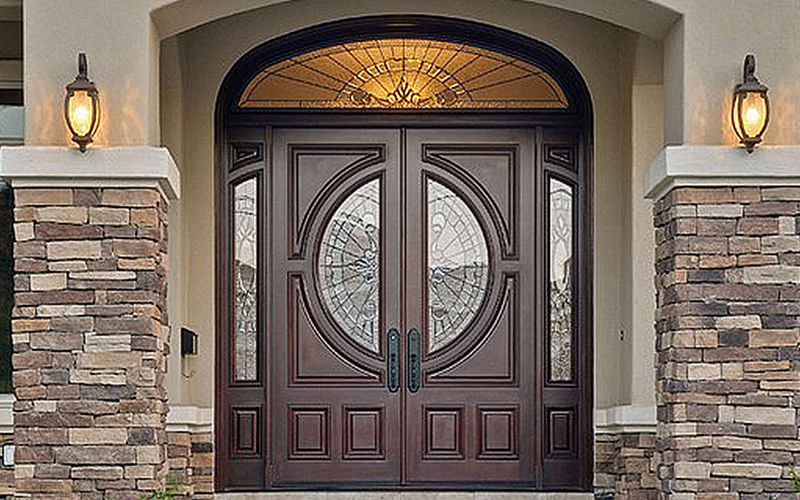
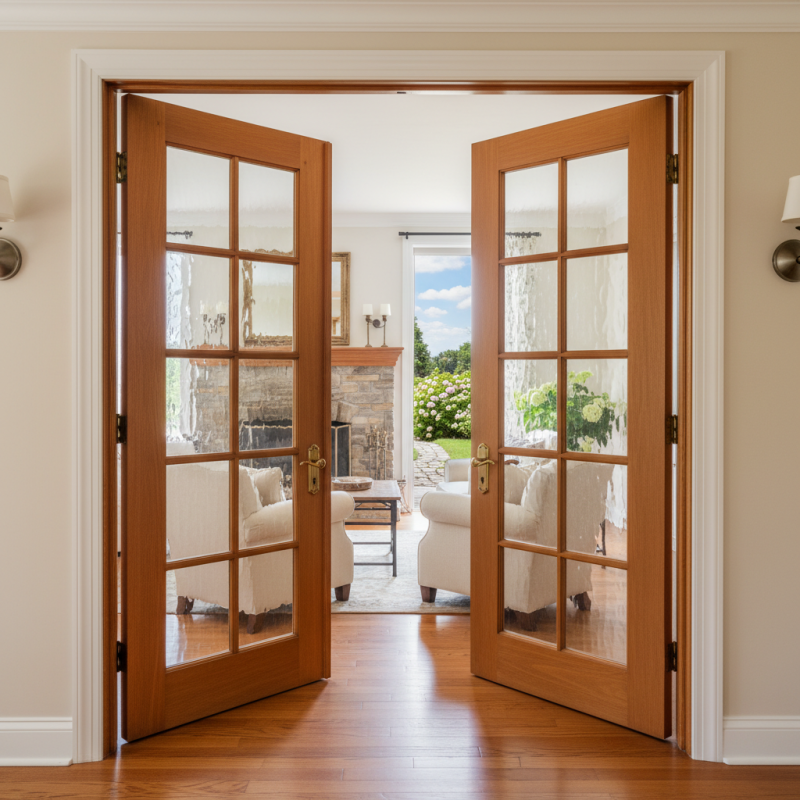
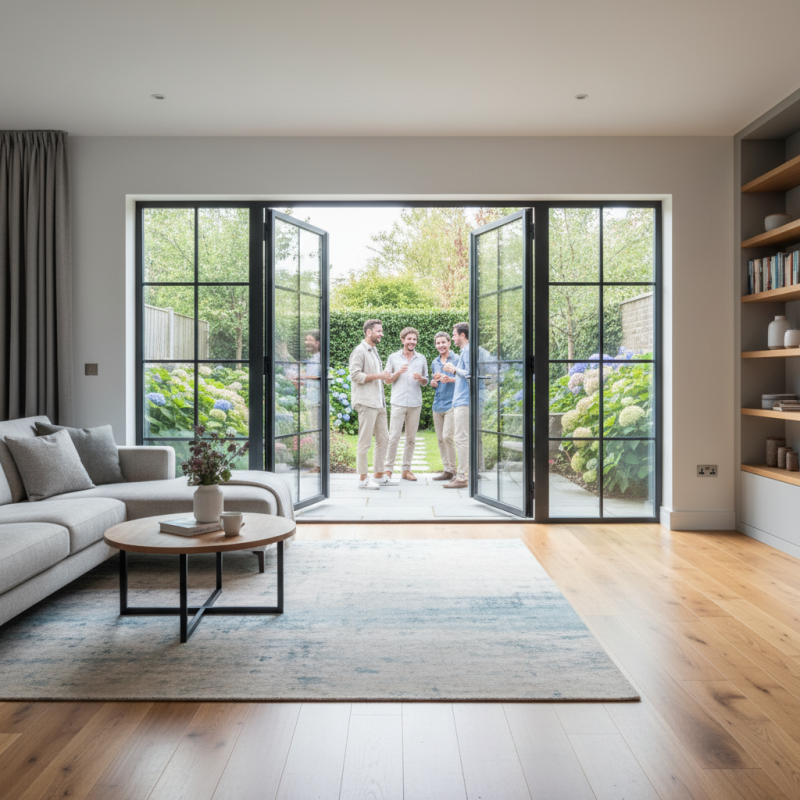
When considering the types of French doors for home upgrades, several options stand out. One common choice is the traditional hinged French door. These doors are often made of wood and offer a classic aesthetic. According to a 2021 report, wooden doors can provide excellent insulation, reducing energy costs by up to 15% annually. However, they do require maintenance to prevent warping and fading.
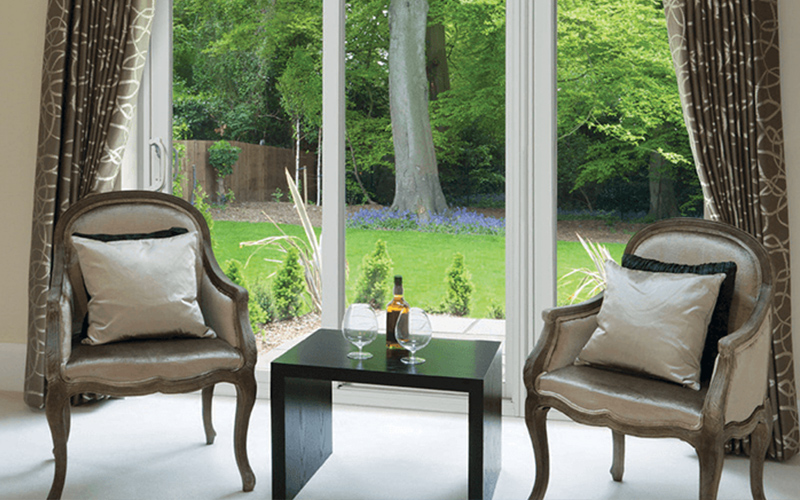
Another popular option is sliding French doors. They are easier to operate and save space. Many homeowners find these doors ideal for tighter areas. In 2020, a survey indicated that 65% of homeowners preferred sliding doors for their ease of use and modern look. Still, they may have less natural light compared to hinged doors.
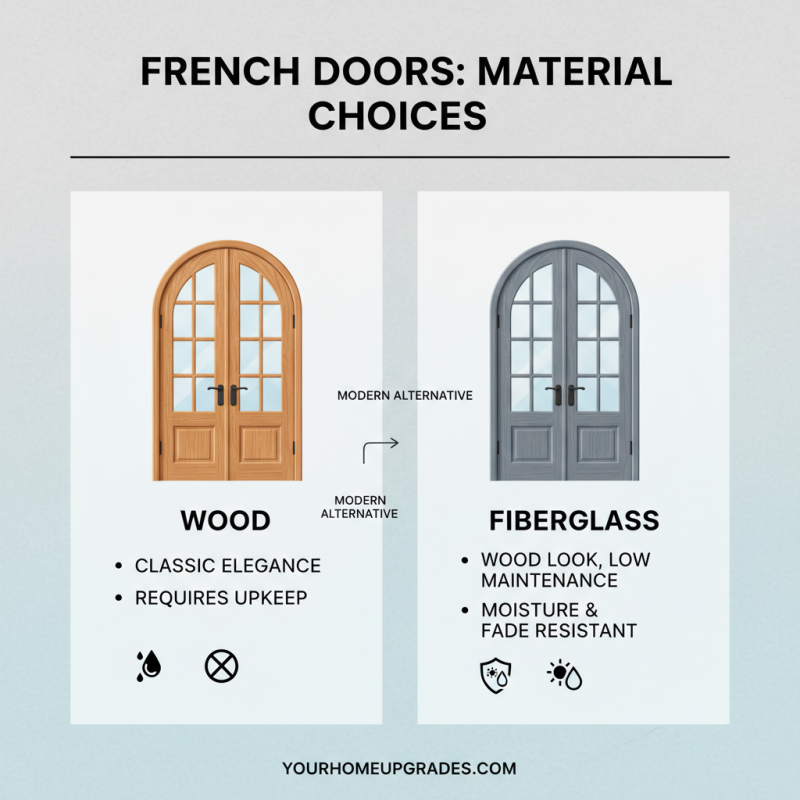
Fiberglass French doors have gained traction as well. These doors resist weather damage and can mimic the appearance of wood while being low-maintenance. However, they might not suit every architectural style. A 2022 industry analysis showed that 58% of homeowners are shifting toward fiberglass for durability and energy efficiency. Each door type has its pros and cons, making it essential to reflect on your home's needs and personal preferences before making a choice.
Key Features to Consider When Choosing French Doors
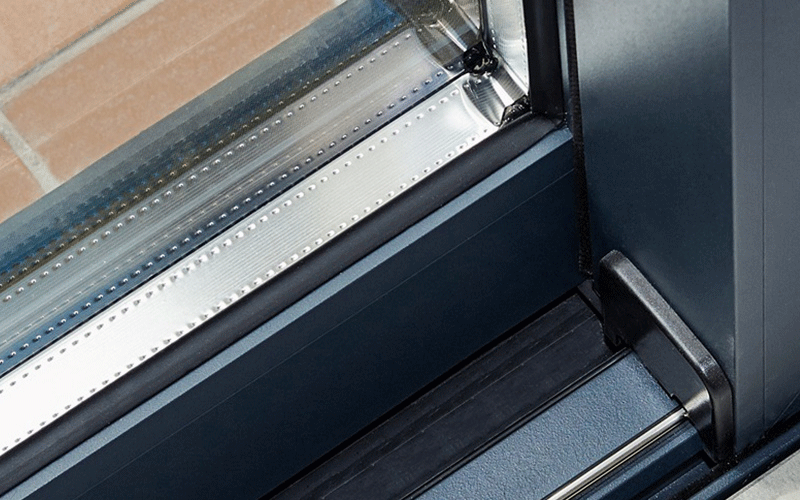
When choosing replacement French doors, several key features demand attention. Energy efficiency stands out as a priority for most homeowners. According to the U.S. Department of Energy, efficient windows and doors can save homeowners around 12% on heating and cooling costs. Look for doors with double glazing to enhance insulation.
Security features are essential, too. A recent survey revealed that 34% of break-ins occur through sliding doors or windows. Make sure your French doors come equipped with multipoint locking systems and robust materials. These added features offer peace of mind while enjoying the natural light and ventilation that French doors provide.
Here’s a tip: measure your door frame accurately. Inadequate sizing may lead to air leaks, which diminishes energy efficiency. Also, consider the door's aesthetic alignment with your home. Choose styles that complement your existing architecture. Remember, functionality must align with design.
Material Options for Durable and Stylish French Doors
When it comes to upgrading your home, choosing the right material for French doors is vital. Each option has its unique appeal and durability. Wood is classic and elegant, offering warmth. However, it can warp or need regular maintenance. If you love the look of wood but want less upkeep, consider fiberglass. It mimics wood's charm while resisting moisture and fading.
Aluminum is another excellent choice. It's modern, sleek, and extremely durable. This material requires little maintenance, making it perfect for busy households. However, aluminum can conduct heat. If you live in a hot climate, ensure proper insulation to prevent energy loss.
Lastly, vinyl has gained popularity in recent years. It's affordable and energy-efficient. The downside? It may lack the character of other materials. While vinyl doors are sturdy, they are not always customizable. Make sure to weigh the pros and cons. The choice of material shapes not only the aesthetics but also the functionality of your new French doors.
Installation Tips for Maximizing French Door Efficiency
When upgrading your home, choosing efficient French doors is key. Proper installation ensures energy savings. Here are some tips to make the most of your new doors.
Start with accurate measurements. An inch off can lead to gaps and drafts. Ensure the frame is level and plumb. This will help your doors swing smoothly. Sometimes, even a small misalignment can cause frustration. Take your time to check twice.
Weather stripping is crucial. It keeps cold air out and warm air in. Choose high-quality materials for durability. Pay attention to corners where gaps often appear. Sealing these areas can greatly impact overall efficiency. It might seem minor, but those small spaces can add up.
Finally, consider your choice of glass. Double or triple-pane options offer better insulation. They reduce noise and energy cost. Things can get confusing here, but prioritizing efficiency pays off. Keep in mind to ask yourself if the door fits your style and needs as well.
Energy Efficiency of Replacement French Doors
This chart illustrates the average energy efficiency (U-value) of different types of glass used in replacement French doors. Lower U-values indicate better insulation properties, contributing to enhanced energy efficiency in homes.
Top Brands and Models for Replacement French Doors
When upgrading your home, choosing the right replacement French doors is crucial. They provide an elegant transition between indoor and outdoor spaces. A well-chosen set can brighten your rooms and improve curb appeal. You have various options, from traditional styles to modern designs.
Look for models that feature energy-efficient glass. This can keep your home comfortable and lower utility costs. Additionally, consider durability and materials. Wooden doors exude warmth but require maintenance. Vinyl options offer low upkeep but may lack the same aesthetic appeal. Explore custom designs to fit your unique style.
It's essential to examine the installation process. Poor installations can lead to problems down the line. You might face issues like drafts or leaks. Hiring a professional can cost more, but it often ensures better results. Take your time to research and reflect on what suits your home best.