What is the Best Material for House Doors?
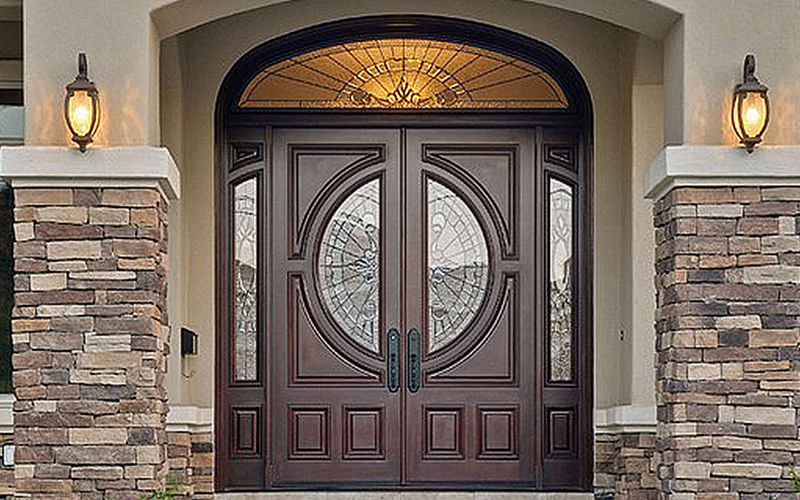
When considering house doors, the material choice is crucial. Different materials offer unique benefits and drawbacks. According to a recent report from the National Association of Home Builders, over 70% of homeowners prioritize durability and energy efficiency. Wood, steel, and fiberglass are the top contenders in this space. Wood provides warmth and aesthetics but requires regular maintenance. Steel doors, while robust, can become dented and rust over time. Fiberglass is gaining popularity for its low upkeep and high insulation properties.
Home security also plays a role in material selection. The Insurance Information Institute highlights that homes with secure doors are 60% less likely to experience break-ins. This statistic underscores the importance of quality materials in house doors. However, there’s a fine balance to strike. Cost, appearance, and climate should be weighed against durability. Homeowners often find themselves conflicted about what features matter most. Choosing the right house door material is not simply about preference; it encompasses a broader understanding of safety, maintenance, and long-term value.
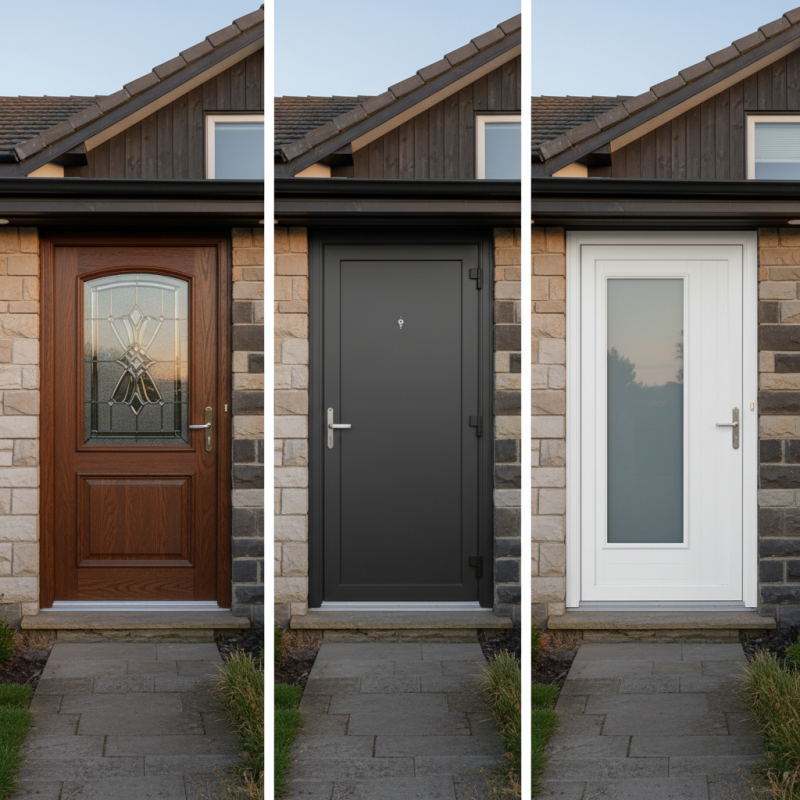
Types of Materials Commonly Used for House Doors
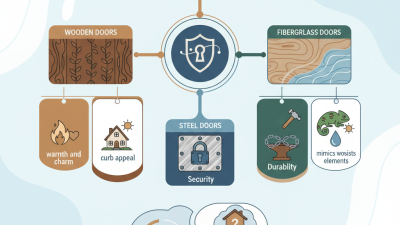
When choosing materials for house doors, several options stand out. Wood is a traditional choice. It offers aesthetic appeal and natural insulation. However, wood requires regular maintenance. It can warp or rot when exposed to moisture. According to a recent industry report, nearly 15% of homeowners face issues with wooden doors due to these factors.
Steel doors are another popular option. They provide excellent security and durability. According to data from market analysis, around 35% of new homes feature metal doors. While they resist severe weather, they can dent easier than other materials. Additionally, some homeowners find metal doors less visually appealing. This can lead to a less welcoming entrance.
Fiberglass doors have gained popularity for their versatility. They mimic wood grain and withstand harsh weather. Reports indicate that nearly 25% of doors sold are fiberglass. However, they can be pricier than their wooden and metal counterparts. Homeowners often overlook the cost of installation, which can increase the overall budget. Choosing the right door material requires careful consideration of both aesthetics and functionality.
Materials Used for House Doors
Comparison of Wooden Doors vs. Metal Doors
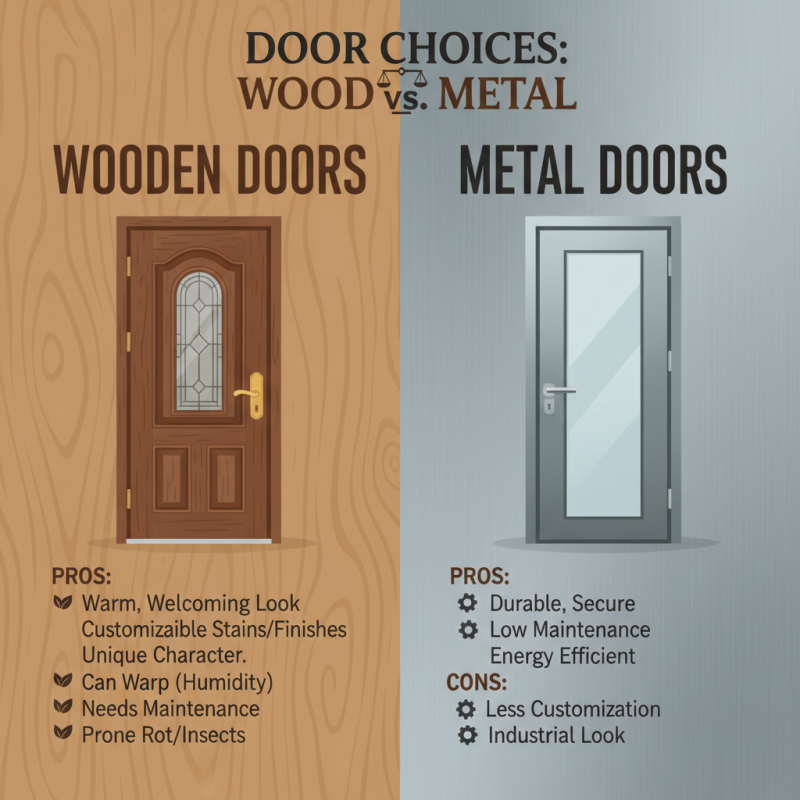
When choosing between wooden doors and metal doors, many factors come into play. Wooden doors offer a warm, inviting aesthetic. They can be customized with various stains and finishes. This personalization gives homes a unique character. However, wood can warp over time, especially in humid climates. Maintenance is also required to prevent rot and insect damage.
On the other hand, metal doors provide superior durability. They resist impacts and harsh weather more effectively than wood. Metal doors also have excellent security features. However, they can lack the charm of wood. Some might find metal doors too cold or industrial. In hot weather, they can absorb heat, leading to discomfort.
Ultimately, the decision should reflect personal taste and environmental factors. Consider the long-term implications of your choice. A door is not just a barrier; it sets the tone for your home. Balancing aesthetics and practicality is key. Each material has its pros and cons. Reflect on what aspects are most important for your living space.
Benefits of Fiberglass Doors for Homes
Fiberglass doors are becoming a popular choice for many homeowners. They offer a unique combination of durability and style. These doors resist dents and scratches, making them ideal for high-traffic areas. They don’t rot, rust, or warp like some wooden doors. This quality can be especially appealing in damp climates.
Another significant benefit is energy efficiency. Fiberglass doors can help maintain a consistent indoor temperature. This capability may lead to lower energy bills over time. Many models have excellent insulation properties. Some homeowners, however, worry about finding the perfect design. There are various styles available, which might make the selection overwhelming.
Maintenance is another aspect to consider. Fiberglass does not require much upkeep compared to wood. A simple wash with soap and water is often enough. However, it is essential to inspect the door periodically for any signs of wear or damage. This reflection can help ensure longevity and effectiveness in performance. Overall, fiberglass doors offer practicality blended with aesthetic appeal.
Factors to Consider When Choosing Door Materials
When choosing materials for house doors, several factors come into play. The climate impacts the durability and insulation properties of the door. For instance, a study from the National Association of Home Builders highlights that wooden doors perform well in moderate climates. However, they may warp or crack in extreme temperatures. In contrast, fiberglass doors offer better resistance to these conditions, making them an appealing option.
Security is another crucial consideration. According to research from the American Institute of Steel Construction, steel doors can provide superior security features. They are more resistant to forced entry compared to their wooden counterparts. For energy efficiency, materials like fiberglass have been shown to provide better R-value, improving overall home insulation. This could lead to lower heating and cooling costs, a significant factor for many homeowners.
Aesthetics can also influence material choice. Wooden doors offer a classic look, while fiberglass and steel can deliver a modern touch. Each type of material offers unique advantages and drawbacks. Buyers often find themselves weighing beauty against functionality. This decision-making process can sometimes feel overwhelming and requires reflection on personal priorities for their home.
Environmental Impact of Different Door Materials
When choosing house doors, it's vital to consider their environmental impact. Different materials have distinct effects on sustainability. Wood is a renewable resource but can contribute to deforestation if not sourced responsibly. Steel doors, while durable, require heavy energy for production and may lead to mining waste. Fiberglass options provide longevity but can involve energy-intensive manufacturing processes.
Tips: Look for materials with certification. Sustainable wood is a great choice when sourced from managed forests. Recycled materials like aluminum can minimize waste.
It’s also important to reflect on the lifespan of door materials. Some may last longer but could be difficult to recycle. Others might be eco-friendly, but their durability is questionable. Balance is key. Think about how the door will stand the test of time and its influence on energy efficiency.
Choosing the right door material affects the home and the planet. Take time to evaluate options. Every choice matters. Select wisely.
What is the Best Material for House Doors? - Environmental Impact of Different Door Materials
| Material |
Durability |
Environmental Impact |
Insulation |
Cost (USD) |
| Wood |
Moderate |
Sustainable if sourced responsibly |
Good |
300 - 1,200 |
| Fiberglass |
High |
Low |
Excellent |
500 - 1,500 |
| Steel |
Very High |
Moderate |
Fair |
400 - 1,800 |
| Vinyl |
Moderate |
Low |
Good |
200 - 900 |
| Attractive Composite |
High |
Varies |
Excellent |
600 - 2,000 |