What is the Best Material for Exterior Doors and Their Benefits
Choosing the right material for exterior doors is crucial for homeowners. According to John Smith, an expert in the exterior doors industry, “The material you choose affects durability, security, and aesthetics.” Exterior doors serve as the first line of defense against the elements. They invite guests while keeping unwanted intruders at bay.
Different materials offer varied advantages and drawbacks. For instance, wood doors provide warmth and beauty. However, they require regular maintenance and can warp over time. Steel doors, on the other hand, offer enhanced security but may lack the unique charm of wooden counterparts. Understanding these trade-offs is vital for making informed decisions.
Ultimately, the best choice varies depending on individual needs and preferences. It’s essential to consider climate, style, and security. The decision on exterior doors should not be rushed. Take time to reflect on what suits your home best. Remember, this choice impacts both appearance and long-term functionality.
Choosing the Right Material for Exterior Doors
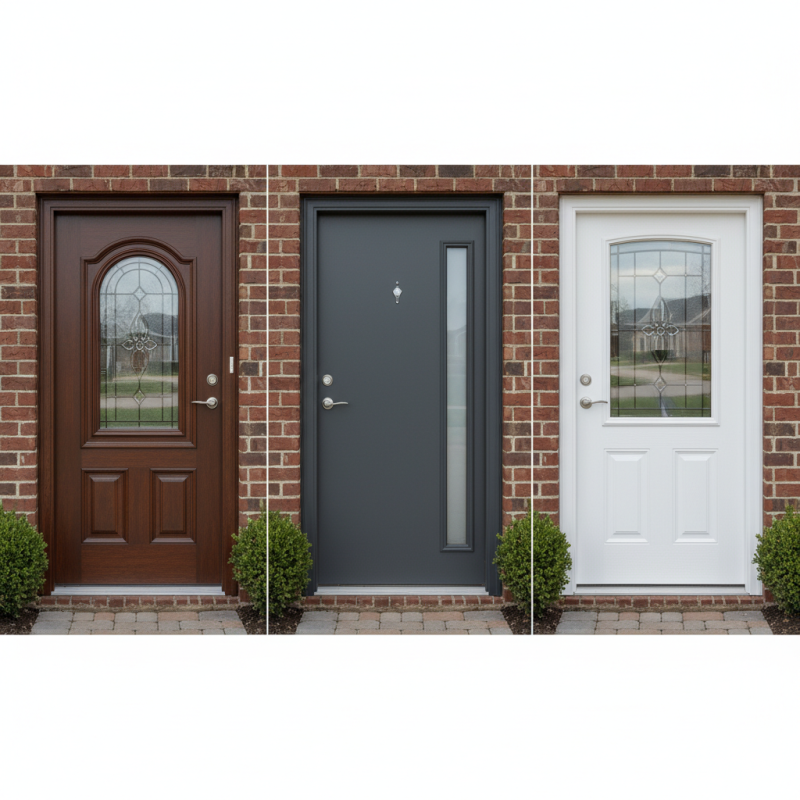
Choosing the right material for exterior doors is crucial. This decision affects durability, energy efficiency, and aesthetics. According to a report by the American Architectural Manufacturers Association, about 60% of homeowners prefer fiberglass doors due to their energy efficiency. They provide excellent insulation and require less maintenance than wood.
Wood doors are also popular. They offer a classic look but require regular upkeep. A study by the National Association of Home Builders showed that nearly 30% of new homes feature wood doors. However, they can warp or crack over time, especially in extreme weather.
Metal doors, though durable, often lack the warmth of wood. They can rust if not properly treated. Approximately 10% of homes use steel doors, which resist dents but may feel cold to the touch in winter. It’s essential to weigh the pros and cons of each material, as choosing the wrong one could lead to costly repairs down the line.
Common Materials Used for Exterior Doors and Their Features
When it comes to exterior doors, various materials may be considered based on durability, aesthetics, and energy efficiency. The most common materials include wood, steel, fiberglass, and aluminum. Each has unique features and benefits.
Wooden doors offer a classic, warm appearance and excellent insulation. However, they can warp over time and need regular maintenance. A study shows that well-maintained wooden doors can last up to 30 years. On the other hand, steel doors provide superior security and durability. They can withstand harsh weather but may dent or rust if not treated properly. Reports indicate that steel doors can have an R-value of about 5, which helps in energy savings.
Fiberglass doors are rising in popularity due to their low maintenance requirements and resistance to dents and scratches. These doors are energy-efficient and can mimic the look of wood. Meanwhile, aluminum doors are lightweight and resistant to corrosion, making them ideal for coastal areas. However, they may lack insulation and can be easily dented.
**Tips:** When choosing a material, consider your local climate and the door's exposure. Always check for energy ratings to ensure efficiency. Regular maintenance can extend the life of any exterior door. Make sure to balance aesthetic appeal with functional needs.
Comparison of Common Exterior Door Materials and Their Benefits
Benefits of Wood Exterior Doors Compared to Other Materials
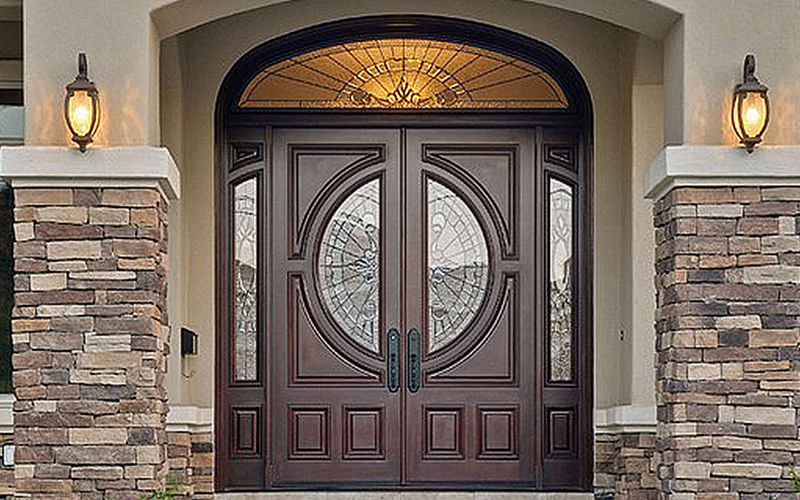
When considering exterior doors, wood stands out due to its natural beauty and thermal performance. According to a report by the Door and Hardware Institute, wood doors provide excellent insulation, outperforming fiberglass and steel options. Properly maintained wood can last for decades. However, it requires regular upkeep to prevent rot and warping. A homeowner might find themselves sanding, painting, or sealing wood doors periodically.
In terms of aesthetics, wood doors offer endless design possibilities. They can be crafted into various styles, from traditional to modern. A survey by the American Institute of Architects indicated that 70% of people prefer wood doors over other materials for their curb appeal. But wood can also be susceptible to insect damage if not treated properly. While it may appeal to many, the maintenance and potential for damage cannot be overlooked.
Durability is another factor. While wood can be strong, it is not immune to the elements. Steel doors may boast better security and durability against impact. Nonetheless, many homeowners still choose wood for its warmth and unique character. Wood doors require careful thought about their long-term care and their ability to meet personal style needs.
What is the Best Material for Exterior Doors and Their Benefits
| Material |
Durability |
Energy Efficiency |
Maintenance |
Aesthetic Appeal |
Cost |
| Wood |
High |
Good |
Medium |
High |
Medium to High |
| Fiberglass |
Very High |
Excellent |
Low |
Moderate |
Medium |
| Steel |
High |
Good |
Low |
Low |
Low |
| Aluminum |
Medium |
Fair |
Low |
Moderate |
Medium |
The Advantages of Steel Exterior Doors in Home Security
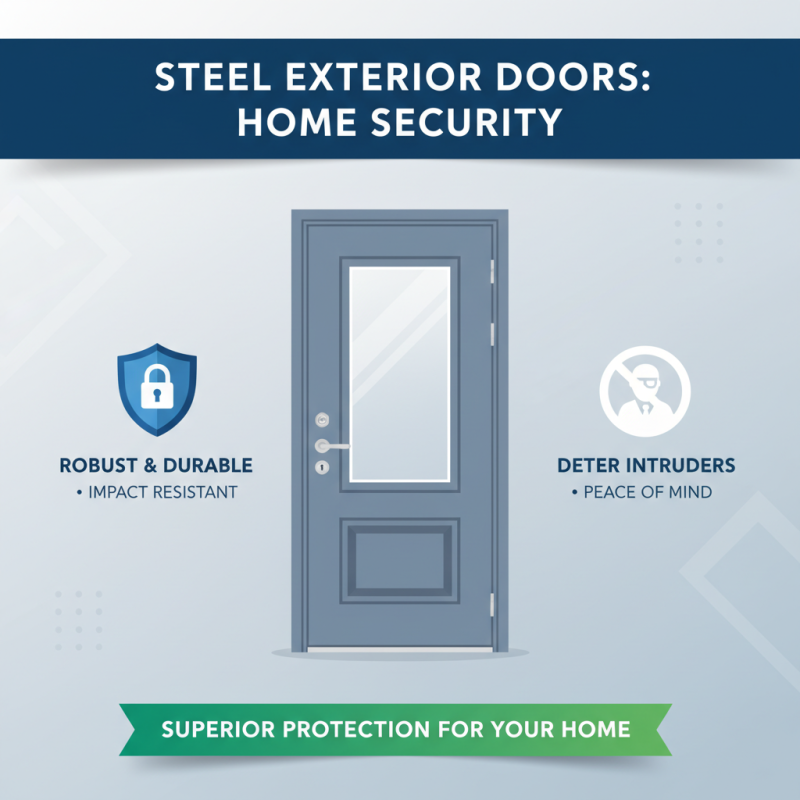
When it comes to home security, steel exterior doors stand out. They are robust and durable. Steel doors resist impact better than wood or fiberglass counterparts. This can deter potential intruders effectively. Homeowners often appreciate the peace of mind steel doors provide.
Additionally, steel doors offer multiple locking mechanisms. This enhances security significantly. Many designs also include features like reinforced frames. These details add an extra layer of protection. Some homeowners worry about aesthetics. However, steel doors come in various styles and finishes, fitting many home designs.
One drawback of steel doors is their susceptibility to rust. Proper maintenance is crucial to avoid this issue. Ignoring small dents can lead to bigger problems over time. Homeowners must be diligent about upkeep. Ultimately, the benefits of steel doors often outweigh these minor concerns.
Understanding the Energy Efficiency of Fiberglass Exterior Doors
When selecting exterior doors, energy efficiency is crucial.
Fiberglass doors stand out for their insulation properties. They reduce heat loss in winter and keep homes cooler in summer. This creates a comfortable living environment year-round.
Fiberglass materials resist warping, which is a common issue with wood. This durability ensures long-term performance.
Tips: Consider energy star ratings when choosing doors. Higher ratings indicate better energy efficiency. Also, explore various styles to complement your home’s design.
Investing in good quality can save money on energy bills.
It's worth noting that not all fiberglass doors are the same. Some may not perform as well as others.
Researching different models will help you find the best fit. Installation matters too. A poorly installed door can lead to air leaks, negating its benefits.
Pay attention to details during the process.