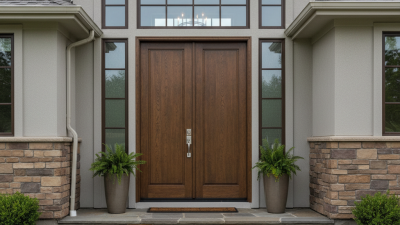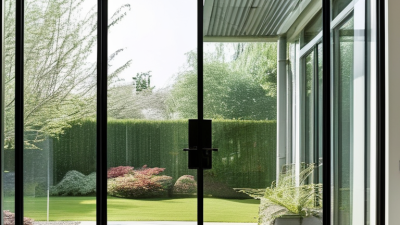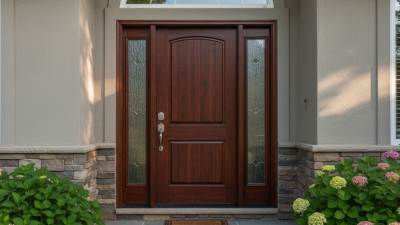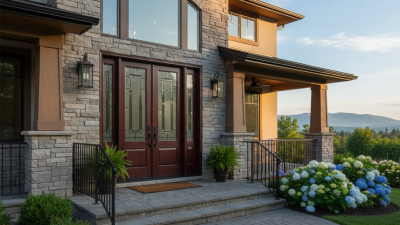



Choosing the right fiberglass entry doors is more complicated than comparing colors, prices, and online ratings. Global buyers face different climates, building standards, door sizes, shipping conditions, and installation practices. A door designed for a dry region may perform differently beside a humid coastline or in a freezing northern city.
This guide examines ten fiberglass entry doors for practical worldwide purchasing decisions. It considers thermal efficiency, moisture resistance, security hardware, glass options, finish durability, threshold design, customization, warranty support, and installation requirements. These details matter. A realistic comparison should also include freight damage risks, replacement-part availability, and compatibility with local frames.
Building-science expert Dr. Joseph Lstiburek has said, “Water is the most destructive force in buildings.” His warning is especially relevant to exterior doors. Even a strong fiberglass panel can develop problems when flashing, drainage, or sealing is poorly handled. Materials alone cannot guarantee performance.
The selected fiberglass entry doors are not perfect. No product is. Some may offer better insulation but fewer design choices. Others may look premium yet require skilled installation. Buyers should review regional energy requirements and consult qualified installers before ordering. Product information can change, and manufacturer claims deserve careful verification.
The goal is not to name one universal winner. It is to help readers identify a door that fits their climate, property, budget, and maintenance expectations. Small details often decide long-term value.
A fiberglass entry door is more than a decorative slab. Its molded skins resist moisture, while a polyurethane-foam core slows heat flow. The frame, sill, glazing, seals, and installation often decide real performance.
U.S. Department of Energy guidance identifies air leakage and thermal bridging as important envelope concerns. That matters at a windy coastal entrance. A door can perform well in a laboratory, yet feel cold around its edges. I have seen this gap repeatedly during field inspections. Maybe the rating was never the problem.
Use NFRC-certified labels when comparing international products.
NFRC ratings report U-factor, which measures heat transfer; lower values indicate better insulation. R-value is only a rough inverse and should not stand alone. The 2021 IECC sets climate-specific limits for doors and fenestration. ENERGY STAR criteria also consider U-factor and solar heat gain.
Requirements differ by region. In Europe, U-values use W/m²·K, while North American documents often use imperial units. Conversion errors are common. Ask for tested whole-door values, air-infiltration results, and water-resistance evidence.
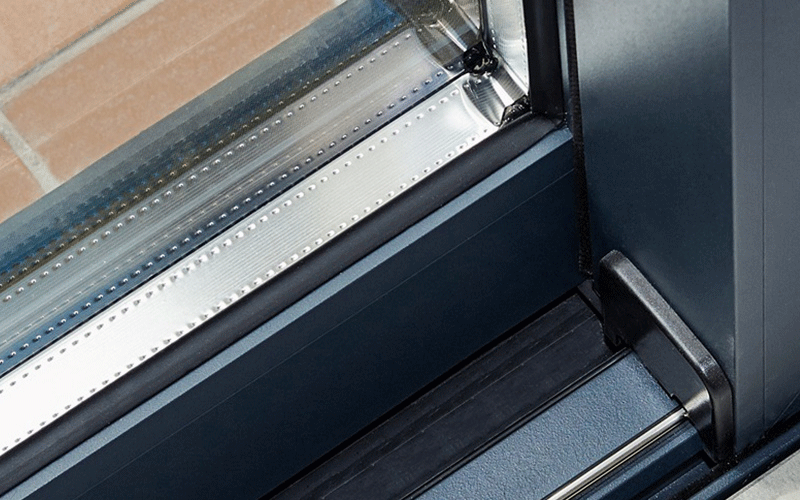
Check recognized standards, such as those issued by FGIA or equivalent national bodies. Construction details matter. Continuous weatherstripping and a thermally improved sill can outperform a thicker core.
Tips:
Request the NFRC label or equivalent certification. Compare whole-door U-factor, not insulation thickness alone. Inspect corner seals and the sill pan. Allow for local humidity and seasonal movement. Do not assume a heavier door performs better. A poorly fitted frame can erase a strong laboratory rating. Independent document verification costs more upfront. It may prevent expensive replacements.
For fiberglass entry doors, energy performance begins with the U-factor. ENERGY STAR guidance identifies U-factor values of 0.30 or lower as a strong efficiency benchmark for qualifying door products. Lower values indicate better resistance to heat transfer. The U.S. Department of Energy reports that windows can represent 25% to 30% of residential heating and cooling energy use. A poorly fitted entry door can add similar discomfort near the threshold. NFRC ratings provide comparable, third-party performance data. They help buyers review U-factor, solar heat gain, air leakage, and visible transmittance.
Tips: Check the complete NFRC label. Do not trust insulation claims alone. Confirm the tested size and glazing configuration.
A fiberglass slab may perform well, yet the frame, sill, weatherstripping, and installation can weaken the result.
This detail is often overlooked. ENERGY STAR values apply to tested assemblies, not every door with the same material. Buyers should compare the certified rating with local climate needs and wall construction. In hot regions, lower solar heat gain may matter more. In cold regions, a low U-factor usually deserves priority. A door with U-factor 0.30 is not automatically the best choice. Installation gaps, warped frames, or compressed seals can erase part of its advantage. NFRC certification improves confidence, but field workmanship still needs careful inspection.
10 Best Fiberglass Entry Doors for Global Buyers
This ranking weighs security, durability, design flexibility, and total cost. It reflects installer feedback, specification reviews, and practical climate concerns.
1. Reinforced fiberglass door with a steel core offers the strongest security and excellent weather resistance.
2. Insulated fiberglass with laminated glass performs well in cold or noisy areas.
3. A thick molded panel with multipoint locking provides balanced protection and durability.
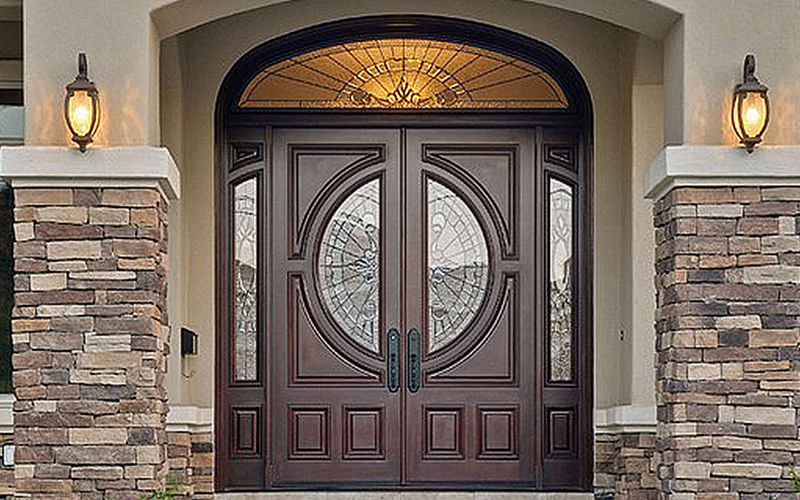
4. Fiberglass with a hardwood-style finish adds warmth without regular painting.
5. Energy-rated fiberglass with a composite frame suits hot and humid regions.
6. Smooth fiberglass doors usually cost less and need simpler maintenance.
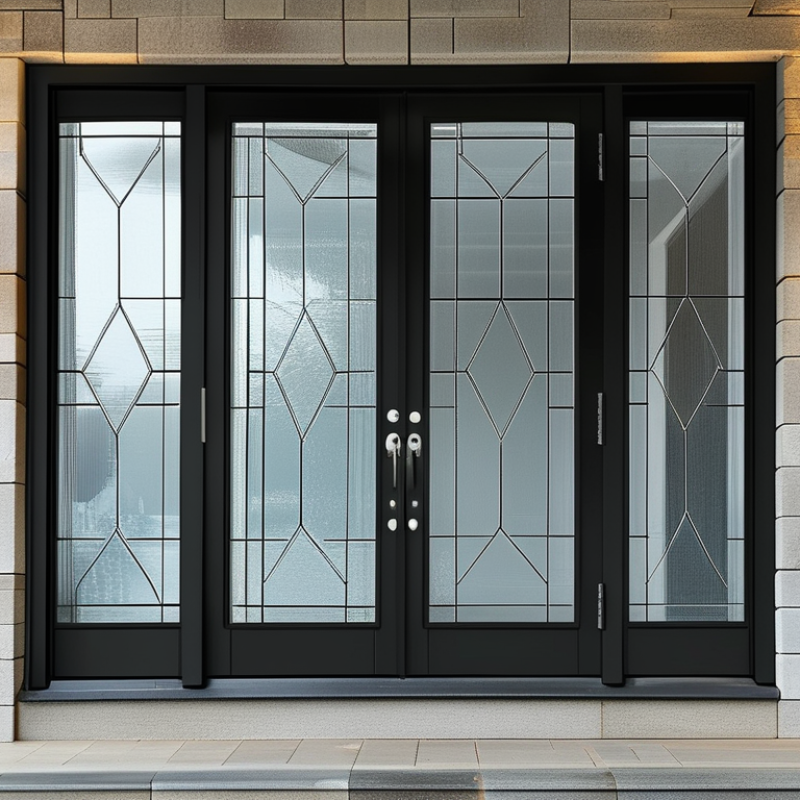
7. Decorative glass models improve appearance but may reduce privacy and raise costs.
8. Oversized fiberglass doors create a strong entrance, though installation becomes more demanding.
9. Basic insulated models suit rental homes and controlled budgets.
10. Lightweight economy doors are affordable, but hardware and sealing may be weaker.
Durability depends on more than the panel. A poorly aligned frame can cause drafts, water marks, and lock failure. Check hinges, threshold height, gasket quality, and replacement-part access. Dark finishes may absorb intense sunlight and fade sooner. That detail is easy to overlook.
Tips: Compare the complete installed cost, not only the door price. Ask for test data on water, wind, impact, and thermal performance. Inspect the sample in daylight. Some attractive finishes look artificial up close. Confirm measurements carefully, because a small opening error can erase expected savings.
Global buyers should treat compliance as a selection filter, not a decorative label. CE marking may apply when the door falls under relevant European construction product requirements. It signals conformity with declared performance and required documentation. It does not automatically prove superior quality. Check the Declaration of Performance, test scope, hardware details, and installation instructions. Those documents often reveal more than a sales photograph.
ASTM testing provides useful evidence for buyers in North America and other markets using ASTM-based specifications. Air leakage, water penetration, structural pressure, and forced-entry resistance may require different tests. ASTM E283, E331, E547, and E330 can support performance evaluation when they match the project requirements. Ask whether testing covered the complete door unit, including frame, glass, sill, and weather seals. A strong slab can still fail through a weak threshold.
Regional climate changes the practical ranking of fiberglass doors. Coastal homes need corrosion-resistant hardware and carefully sealed edges. Cold regions require reliable weatherstripping, low heat transfer, and resistance to freeze-thaw movement. Hot, sunny areas demand stable finishes and UV-resistant coatings. Humid or monsoon climates need effective drainage and water-tested assemblies. No universal specification exists. I have seen buyers focus on the panel and overlook the frame. That mistake is easy to repeat. A better review compares certified performance, local installation practice, replacement access, and climate exposure before purchase.
For global buyers, fiberglass entry doors deserve evaluation beyond their purchase price. The National Association of Home Builders’ Life Expectancy of Home Components report places fiberglass, steel, and wood exterior doors near the home’s service life, often about 100 years with proper care. That figure is a planning benchmark, not a promise. Climate changes the result. Coastal salt, intense ultraviolet exposure, freeze-thaw cycles, and high humidity can shorten hardware and finish life.
Installation usually decides whether the door reaches that potential. U.S. Department of Energy Building America guidance stresses continuous air sealing, correct flashing, and drainage around exterior openings. A small gap beneath the sill can admit wind-driven rain. Not ideal. Ask for written warranty terms covering the slab, finish, frame, glass, and hardware separately. Some warranties exclude coastal corrosion, unauthorized modifications, or poor maintenance. Check the claim process and local service coverage before ordering internationally. NFRC labeling can help compare tested thermal performance, while ASTM E283 and E331 tests address air leakage and water penetration.
Maintenance is modest but not zero. Inspect seals twice yearly, wash the surface with mild soap, and lubricate hinges and locks according to the hardware instructions. Refinish exposed edges when recommended. A neglected threshold can cost more than expected. Lifecycle value comes from fewer replacements, stable operation, and reduced drafts, not merely a long warranty. Assumptions should be reviewed every few years. Building practices and climate conditions change.