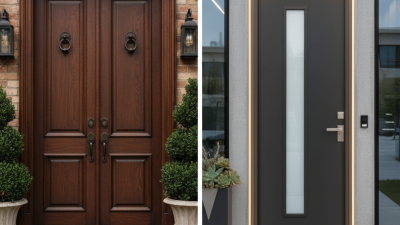
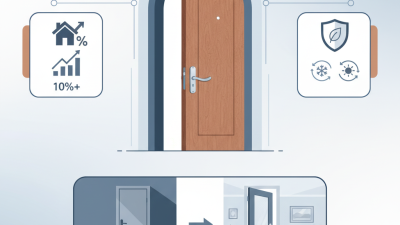
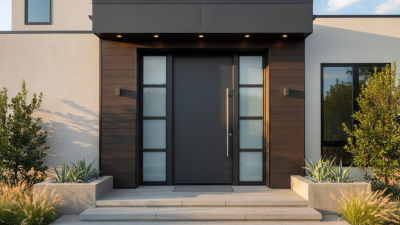
2026 Best Exterior Doors for Your Home Upgrade Choices?
When considering home upgrades, exterior doors play a crucial role. According to the National Association of Realtors, quality exterior doors can boost your home’s value by up to 75%. This statistic highlights the significance of choosing the right materials and styles. Metal doors, for instance, offer exceptional durability and security. On the other hand, fiberglass models provide excellent insulation.
But not all exterior doors are created equal. Many homeowners often overlook energy efficiency. The U.S. Department of Energy states that significant heat loss occurs through doors. Choosing energy-efficient models can reduce utility bills and environmental impact. A good exterior door should balance aesthetics and functionality.
Reflecting on personal choices is vital. Are you prioritizing style over security? This question can shift priorities and lead to better decisions. Upgrading your exterior doors is not just about appearance; it’s about enhancing your home’s comfort and protection. Investing wisely can lead to a more valuable and inviting residence.
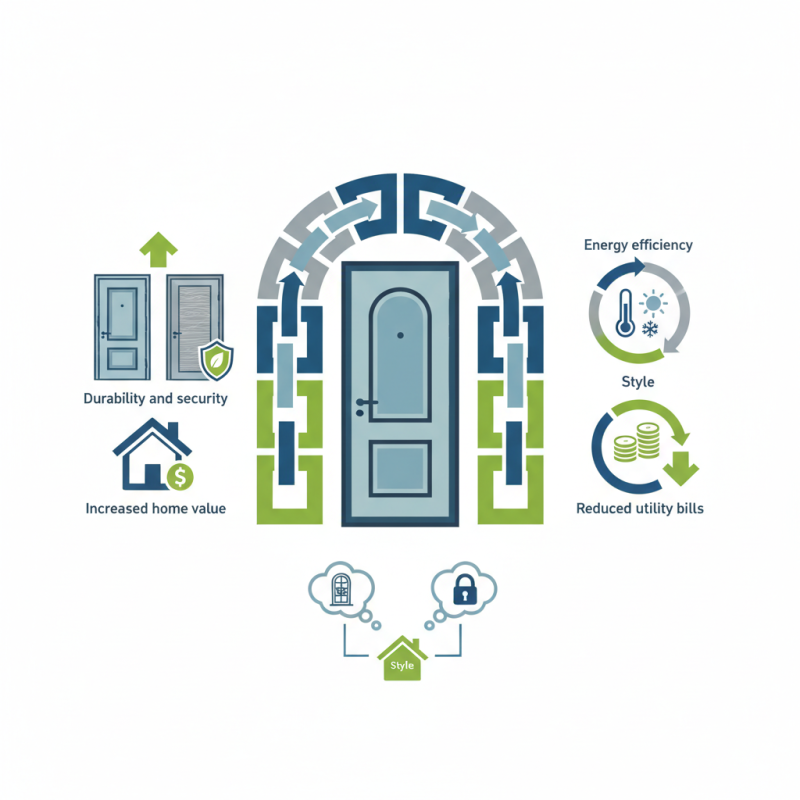
Essential Features to Consider in Exterior Doors for Home Upgrades
When upgrading your home's exterior doors, consider essential features that enhance both security and aesthetic appeal. According to a report by the American Institute of Architects, about 70% of homeowners prioritize high security when selecting exterior doors. Look for solid wood or fiberglass options. These materials tend to outperform hollow-core doors in durability and insulation.
Energy efficiency is another critical aspect. The U.S. Department of Energy states that properly insulated doors can reduce energy costs by up to 15%. Look for ENERGY STAR-rated doors with good thermal performance. Less efficient options may lead to drafts and higher heating bills.
Design is equally important. A door should complement your home’s style while offering functionality. A study by the National Association of Realtors reveals that homes with appealing entry doors recover about 75% of their investment during resale. However, costs and aesthetics can sometimes lead to regret. Some homeowners may rush to choose a popular design without considering the long-term effects. Consider your lifestyle needs before making a decision.
2026 Best Exterior Doors for Your Home Upgrade Choices
Popular Materials for Exterior Doors: Pros and Cons
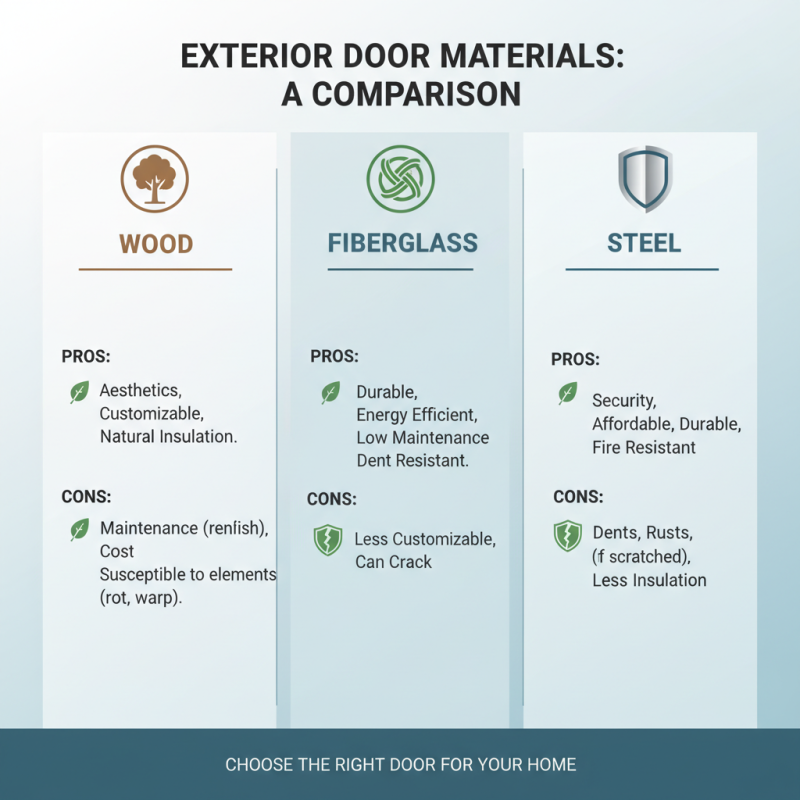
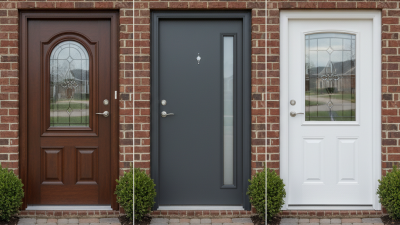
When considering the perfect exterior door for your home upgrade, understanding the popular materials is crucial. Common options include wood, fiberglass, and steel. Each material has its own set of advantages and disadvantages.
Wood doors exude charm and elegance. They offer good insulation and customization options but can be costly. A report by the National Association of Home Builders notes that wood doors can last up to 30 years if maintained properly. However, harsh weather can warp them, requiring regular attention.
Fiberglass doors are highly durable and resistant to dents or rust. They can mimic the look of wood and provide excellent insulation. The increase in energy efficiency can lead to lower utility bills, according to the U.S. Department of Energy. However, they may lack the same warmth as wood.
Steel doors are incredibly strong and often more affordable. They are low maintenance and provide superior security. A downside is their susceptibility to dents and rust, which may be challenging to repair.
Tips: Evaluate your local climate before making a choice. If you live in a region with high humidity, wood might need extra care. Ensure the door matches your home’s architectural style for a cohesive look. Investing in a door requires consideration of long-term durability and maintenance needs.
Energy Efficiency Ratings: What to Look for in Exterior Doors
When upgrading your home, choosing exterior doors with high energy efficiency ratings is essential. Many doors have different ratings based on insulation and material. Look for doors labeled with Energy Star; they can significantly reduce energy bills. A well-insulated door can prevent drafts. This helps maintain the temperature inside your home.
Tips: Consider double or triple-glazed glass options. They help keep your home warmer in winter and cooler in summer. Check for seals and frames that minimize air leaks. You don't want money wasted on heating or cooling.
The installation is crucial. Poorly installed doors can lead to gaps. This reduces energy efficiency. Measure your door frame carefully. It’s better to involve professionals for a proper fit. Remember, exterior doors can enhance your home's aesthetics while saving on energy costs. Prioritize efficiency over design and find a balance that works for your lifestyle.
2026 Best Exterior Doors for Your Home Upgrade Choices
| Door Type |
Material |
Energy Efficiency Rating (U-factor) |
Style |
Average Cost ($) |
| Fiberglass Entry Door |
Fiberglass |
0.15 |
Traditional |
1,200 |
| Steel Door |
Steel |
0.20 |
Modern |
800 |
| Wood Door |
Wood |
0.25 |
Classic |
1,500 |
| Vinyl Sliding Door |
Vinyl |
0.30 |
Contemporary |
1,000 |
| Aluminum Door |
Aluminum |
0.28 |
Minimalist |
1,300 |
Top Design Styles for Exterior Doors in 2026
When choosing exterior doors in 2026, design styles play a crucial role. A recent report highlights that modern and rustic styles are gaining popularity. About 45% of homeowners prefer clean lines and minimalistic designs. These styles create a sense of openness and blend seamlessly with contemporary architecture.
Color choices have evolved too. Neutral tones dominate, but bold colors are making a comeback. Colors like deep blue and rich green provide a striking contrast. They make a strong first impression. According to industry experts, about 35% of front doors feature unique hues this year.
Tip: Consider the climate when selecting materials. Fiberglass and steel offer durability, while wood provides warmth and charm.
The trend towards eco-friendly options is noticeable. Homeowners increasingly want sustainable materials. A whopping 60% prefer doors made from recycled or renewable sources. However, it’s essential to balance aesthetics with functionality. Not every trendy material holds up well over time.
Tip: Before finalizing your choice, assess the energy efficiency of doors. Energy-efficient options can reduce heating and cooling costs.
Designing an exterior door that suits your home requires careful thought. Explore various styles and materials. Embrace the latest trends, but stay true to your personal taste.
Budgeting for Your Exterior Door Upgrade: Cost-Effective Choices
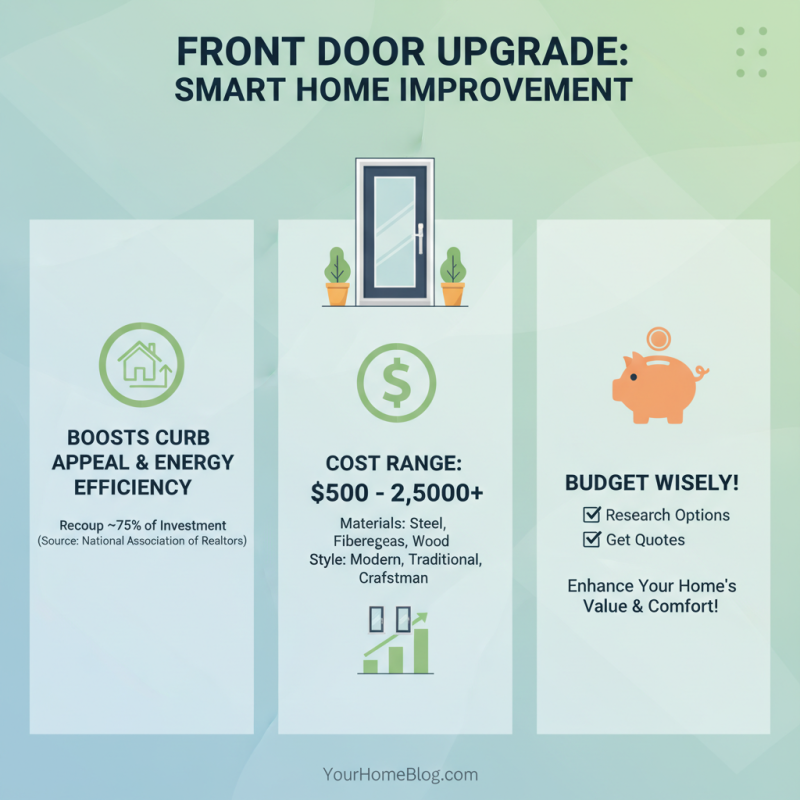
Upgrading your exterior door can significantly improve your home’s curb appeal and energy efficiency. According to the National Association of Realtors, a quality door upgrade can recoup nearly 75% of your investment. Budgeting wisely for this renovation is key. The average cost of a new entry door ranges between $500 and $2,500, depending on the material and style.
Materials play a crucial role in determining the overall price. Steel doors are often the most affordable option. They provide security and durability. Fiberglass doors come with a higher price tag but offer better insulation. A high-quality door can save you money on energy bills in the long run.
Tips: Consider exploring local salvage yards for unique finds. Reclaimed doors can add character at a fraction of the cost. Always measure your door frame before making a purchase. This helps avoid returns and additional costs. Budgeting mistakes, like underestimating installation fees, can lead to frustration. Prioritize your needs and desires while keeping your budget in check.